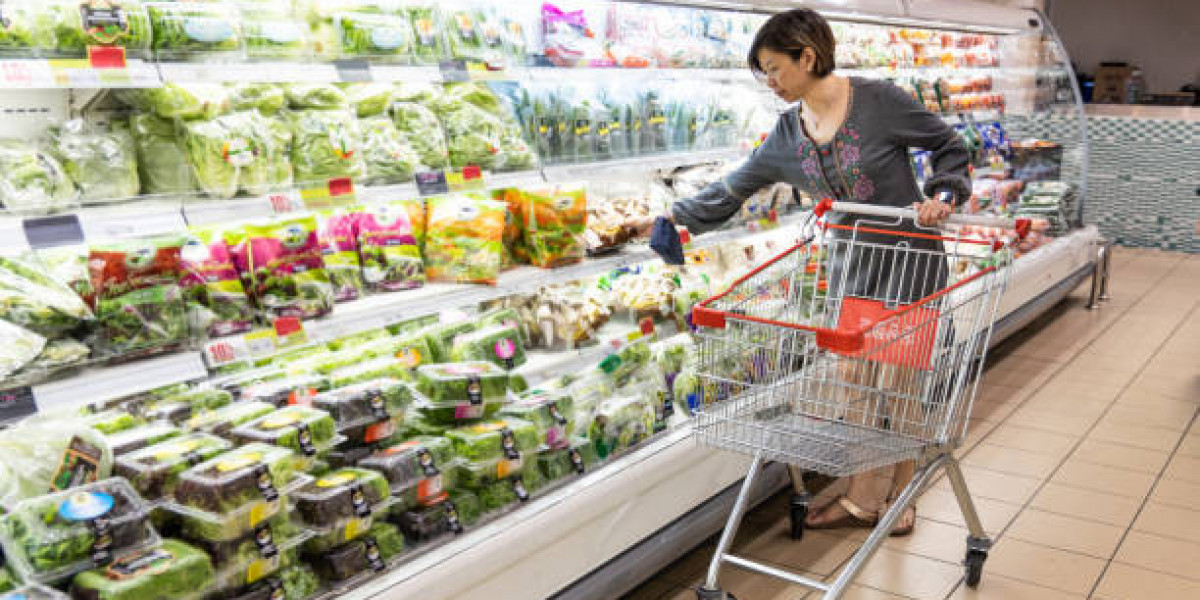

US FMCG Market is evolving as consumer lifestyles, shopping preferences, and retail distribution models continue to change across the United States. Fast-moving consumer goods include everyday products such as packaged foods, beverages, personal care items, household cleaning supplies, and other frequently purchased essentials. These products remain closely connected to daily routines, making convenience, affordability, quality, and availability important purchasing considerations. Manufacturers and retailers are adapting their business strategies to address changing household requirements. Growing interest in product variety, improved shopping experiences, and accessible distribution is encouraging companies to strengthen their offerings across different consumer categories.
Understanding US fast-moving consumer goods consumption patterns is becoming increasingly important for businesses seeking to respond to evolving customer expectations. Consumers are paying attention to product ingredients, packaging, convenience, brand reputation, and purchasing value when selecting everyday essentials. Household shopping decisions are also influenced by family size, lifestyle, income considerations, and personal preferences. Manufacturers are therefore developing differentiated product ranges to appeal to multiple customer segments. Companies that understand these purchasing behaviors can improve product positioning, strengthen customer relationships, and develop more relevant strategies for the competitive American consumer goods environment.
Convenience remains an important factor influencing the purchase of everyday products. Busy working schedules, urban lifestyles, and changing household routines are encouraging consumers to choose products that simplify daily activities. Ready-to-use food products, easy-to-store household supplies, convenient personal care formats, and single-use packaging options address different consumer requirements. Retailers are also improving shopping accessibility through organized store layouts, product availability, and convenient checkout arrangements. Manufacturers are responding with packaging formats and product variations designed to make purchasing, storage, and everyday consumption easier. Convenience-oriented innovation continues to influence product development across several FMCG categories.
Health awareness is another consideration shaping consumer preferences in the United States. Shoppers are increasingly examining ingredient information, nutritional characteristics, product formulations, and labeling before purchasing food, beverages, and personal care products. This has encouraged manufacturers to explore product alternatives that address different dietary preferences and wellness-oriented requirements. Consumers may also consider fragrance choices, ingredient transparency, and product suitability when selecting personal care and household items. Companies that communicate product information clearly and maintain consistent quality can strengthen consumer confidence. The growing importance of informed purchasing is encouraging brands to make transparency and product differentiation important parts of their strategies.
Digital retail is transforming the way American consumers discover and purchase FMCG products. Online grocery platforms, retailer websites, mobile applications, and subscription-based purchasing options provide convenient access to frequently purchased essentials. Consumers can compare brands, examine product descriptions, read reviews, and arrange deliveries according to their schedules. Digital promotions and personalized recommendations also influence product discovery. Retailers are investing in connected shopping experiences that combine online convenience with physical store accessibility. For manufacturers, digital channels provide opportunities to understand customer preferences, introduce new products, and improve communication with different consumer groups.
Sustainability is becoming an increasingly relevant consideration across consumer goods manufacturing and retailing. American shoppers are showing interest in packaging efficiency, recyclable materials, responsible sourcing, and products designed to reduce unnecessary waste. Manufacturers are exploring alternative packaging formats, improved material utilization, and production approaches that support resource efficiency. Household and personal care brands are also communicating sustainability-related product characteristics to differentiate their offerings. However, consumers continue to consider affordability, convenience, and performance when evaluating these products. Companies that balance responsible product development with practical everyday value can strengthen their appeal among environmentally conscious shoppers.
Retail competition is encouraging FMCG companies to improve brand positioning and distribution strategies. Supermarkets, hypermarkets, convenience stores, warehouse retailers, specialty outlets, and online marketplaces all contribute to product accessibility. Established brands compete with private-label products and emerging businesses through pricing, quality, packaging, and promotional activities. Retailers are also using customer insights to improve assortment planning and product placement. Manufacturers that understand different shopping environments can develop more effective distribution and marketing strategies. Maintaining product availability, consistent quality, and recognizable brand identity remains important for businesses seeking to strengthen their presence across the American consumer goods landscape.
Looking ahead, the US FMCG Market will continue to be influenced by changing household preferences, digital shopping, health awareness, packaging innovation, and retail transformation. Consumers are likely to remain attentive to product convenience, affordability, transparency, and quality when purchasing everyday essentials. Manufacturers that invest in consumer research and flexible product development can respond more effectively to changing requirements. Strong distribution networks and effective digital engagement will also remain important competitive considerations. Businesses that combine relevant product innovation with reliable customer experiences can identify opportunities within the evolving United States fast-moving consumer goods sector.
FAQ
Q1. What products are included in the US FMCG Market?
Food, beverages, personal care products, household supplies, and other frequently purchased essentials.
Q2. How does e-commerce influence FMCG purchasing?
It improves product accessibility, convenience, price comparison, and home delivery options.
Q3. Why is sustainability important for FMCG brands?
It helps address consumer interest in responsible packaging, sourcing, and waste reduction.