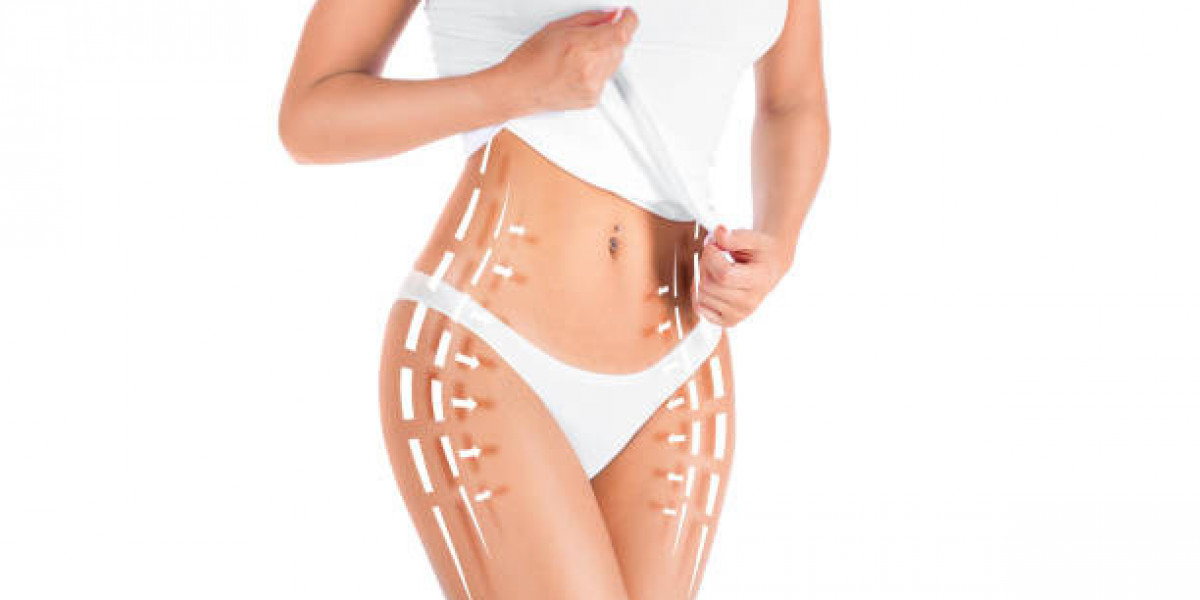

Liposuction focuses on removing localized fat deposits, but the appearance of the treated area also depends on how the skin responds after the procedure. Skin elasticity helps determine whether the surface can adapt to changes in underlying volume and maintain a smooth contour. Liposuction in Riyadh may help reduce stubborn fat and refine body proportions, but the final appearance is influenced by factors such as skin quality, age, and individual healing characteristics. Understanding the relationship between skin tightness and fat removal can help patients develop realistic expectations before considering treatment.
How Skin Elasticity Affects Liposuction Results
Skin elasticity refers to the skin's ability to stretch and return toward its original shape. When skin has good elasticity, it may contract more effectively after the removal of underlying fat. This can support smoother-looking contours and a more balanced appearance. However, skin with reduced elasticity may not adjust as closely to the body's new shape, potentially leaving loose or sagging areas after treatment. A surgeon evaluates skin quality before recommending liposuction to determine whether fat removal alone is likely to achieve the desired contour.
Factors That Influence Skin Tightness
Age and Natural Skin Changes
As people age, the skin gradually loses collagen and elastin, two important proteins that contribute to firmness and flexibility. These natural changes can affect how well the skin adapts after liposuction. Age alone does not determine treatment suitability, but it is one factor considered during assessment.
Weight Fluctuations
Repeated weight gain and loss can stretch the skin and influence its ability to retract. Individuals who have experienced significant weight changes may have reduced skin firmness in certain areas. Maintaining a relatively stable weight before and after treatment can support more predictable body-contouring outcomes.
Sun Exposure and Lifestyle Habits
Long-term sun exposure can contribute to changes in skin texture and elasticity. Smoking, inadequate nutrition, and other lifestyle factors may also affect skin health and healing. Following healthy habits can support general skin condition, although they cannot guarantee a particular surgical result.
Genetics and Individual Skin Structure
Skin thickness, elasticity, and natural collagen levels vary between individuals. Some people may experience better skin contraction after fat removal than others, even when their treatment areas and body composition are similar. These differences make personalized assessment especially important.
What Happens When Skin Does Not Tighten Enough?
When the amount of fat beneath the skin is reduced, the skin must adapt to the smaller underlying volume. If it cannot contract sufficiently, the treated area may appear loose, uneven, or less defined than expected. This does not necessarily mean the procedure has failed; it may reflect pre-existing skin laxity or individual healing characteristics. A thorough consultation helps identify these concerns and determine whether liposuction alone is appropriate.
How Liposuction Is Planned Around Skin Quality
A suitable treatment plan considers both the amount of localized fat and the condition of the overlying skin. Liposuction in Riyadh may be recommended for individuals with stubborn fat deposits and sufficient skin elasticity to support contour changes. The surgeon assesses the treatment area, skin firmness, medical history, and personal goals before discussing the expected outcome. In cases involving significant loose skin, another procedure or a combined treatment approach may be more appropriate. The choice depends on individual needs and professional evaluation.
Can Skin Tightening Treatments Complement Liposuction?
Some patients may benefit from additional procedures designed to address skin laxity. Depending on the degree of looseness and the treatment area, options may include energy-based skin-tightening treatments or surgical skin removal. These approaches are not suitable for everyone and differ in their benefits, limitations, and recovery requirements. Patients should discuss available options with a qualified medical professional rather than assuming that liposuction will automatically tighten loose skin.
Supporting Skin Health Before and After Treatment
Healthy habits can contribute to overall skin condition and recovery. Maintaining a stable weight, eating a balanced diet, staying hydrated, avoiding smoking, and protecting the skin from excessive sun exposure are useful general measures. After surgery, patients should follow their surgeon's instructions, attend follow-up appointments, and wear compression garments when recommended. Liposuction in Riyadh requires an appropriate recovery period, and patients should avoid strenuous activity until their surgeon confirms it is safe to resume.
Book a Consultation at Royal Clinic Saudi
Understanding your skin quality is an important step before choosing a body-contouring procedure. Royal Clinic Saudi offers personalized aesthetic consultations to assess treatment areas, discuss skin elasticity, and explain suitable options. Schedule an appointment to receive professional guidance and understand what results may realistically be achievable based on your individual needs.
Frequently Asked Questions
1. Does liposuction tighten loose skin?
Liposuction primarily removes fat. It does not reliably correct significant skin laxity, so skin quality should be assessed before treatment.
2. Why is skin elasticity important before liposuction?
Good elasticity can help the skin adapt to reduced fat volume and support smoother-looking contours after surgery.
3. Can younger patients have loose skin after liposuction?
Yes. Skin quality varies between individuals, and factors such as genetics and weight fluctuations can influence elasticity at any age.
4. Are additional skin-tightening treatments sometimes needed?
Yes. Depending on skin laxity, a patient may be advised to consider another treatment or procedure alongside or instead of liposuction.