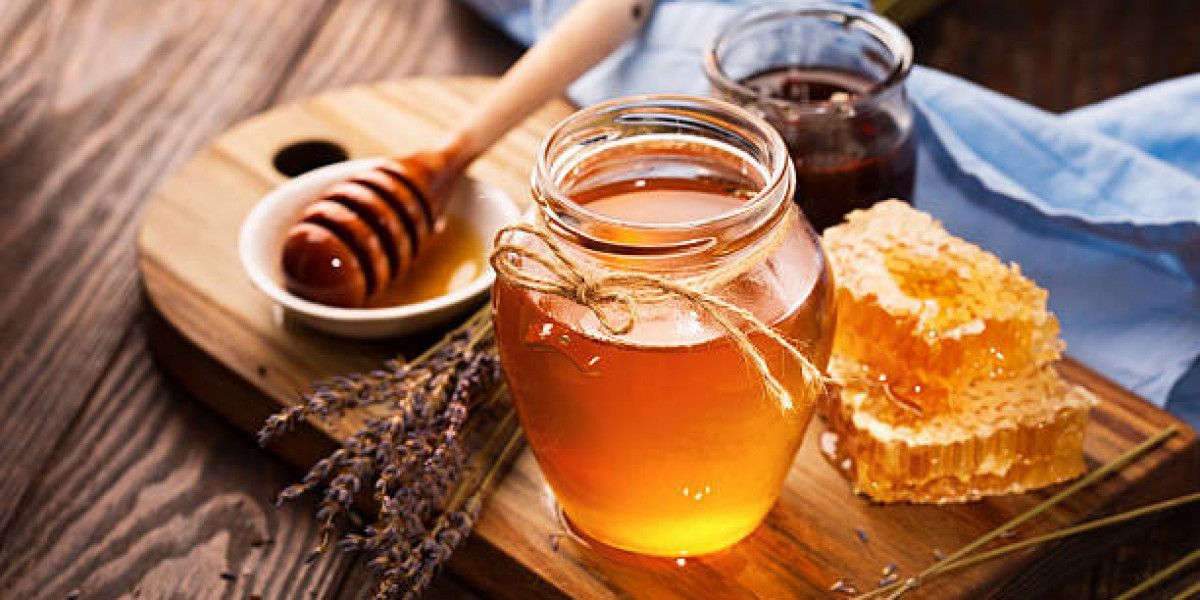

Honey Market is becoming increasingly connected with environmental sustainability, responsible agricultural practices, and the protection of pollinator ecosystems. Honey production depends on healthy bee colonies and the availability of flowering plants that provide nectar. Beekeeping also contributes to agricultural pollination, supporting the production of various fruits, vegetables, and other crops. As environmental concerns become more prominent, producers and industry participants are paying greater attention to bee health, habitat protection, and sustainable sourcing. These priorities are encouraging the development of responsible production methods throughout the honey supply chain.
The increasing focus on responsible beekeeping and pollinator conservation is influencing how producers manage honey harvesting and bee colony health. Beekeepers are exploring practices that protect colonies while maintaining suitable honey production conditions. Maintaining access to diverse flowering plants, monitoring colony health, and managing hive environments are important considerations. Producers are also paying attention to agricultural practices that may affect bee populations. These developments highlight the relationship between honey production, biodiversity, and the wider agricultural ecosystem.
Bee pollination is important for many agricultural systems. Bees transfer pollen between flowers, supporting the reproduction of numerous plant species and contributing to agricultural productivity. Their activity is relevant to several fruit, vegetable, seed, and flowering crop systems. Healthy pollinator populations therefore provide benefits beyond honey production. Farmers and beekeepers can work together to maintain suitable habitats and improve awareness of pollinator-friendly agricultural practices. The relationship between beekeeping and agriculture creates opportunities for collaborative initiatives that support both environmental health and commercial farming activities.
Environmental changes can create challenges for honey producers. Changes in temperature, rainfall, flowering periods, and habitat availability may influence nectar production and colony activity. Deforestation and land-use changes can also affect the availability of suitable forage for bees. Beekeepers must therefore monitor environmental conditions and adapt hive management practices when necessary. Maintaining diverse flowering habitats and supporting local vegetation can help improve the availability of nectar sources. Understanding these environmental factors is important for maintaining stable production and protecting bee colonies.
Agricultural chemical exposure is another consideration in pollinator management. Some pesticides can pose risks to bees when used improperly or when exposure occurs during sensitive periods. Responsible agricultural chemical management, appropriate application timing, and communication between farmers and beekeepers can help reduce avoidable exposure. Integrated pest management practices can also support more balanced approaches to crop protection. Industry stakeholders are increasingly recognizing that agricultural productivity and pollinator conservation need to be considered together. Greater cooperation can help protect bees while supporting responsible farming operations.
Sustainable honey processing and packaging are also receiving attention. Producers are evaluating methods to improve energy efficiency, reduce processing waste, and optimize transportation. Packaging manufacturers are exploring recyclable materials and designs that protect product quality while reducing unnecessary material usage. Retailers are also considering responsible sourcing information when selecting honey suppliers. These developments are encouraging businesses to examine environmental considerations throughout production, processing, distribution, and retail operations. Sustainability is becoming an important part of how honey brands communicate their business practices.
Consumer awareness is influencing demand for transparent and responsibly sourced honey products. Some shoppers want information about beekeeping practices, product origin, floral sources, and processing methods. Producers can respond by improving labeling, traceability, and communication about their sourcing operations. Retailers can also help consumers understand differences between available honey products. Building customer confidence requires accurate product information and consistent quality. Businesses that prioritize responsible sourcing and transparent communication may strengthen their reputation among environmentally conscious consumers.
The future of the Honey Market will increasingly involve the connection between commercial production and ecological responsibility. Pollinator conservation, sustainable beekeeping, responsible sourcing, and improved processing practices will remain important industry considerations. Producers that maintain healthy colonies and develop reliable supply networks may be better positioned to respond to changing environmental and commercial requirements. As awareness of biodiversity and agricultural sustainability continues to grow, responsible honey production will remain an important part of the industry's long-term development.
Frequently Asked Questions
Why are bees important beyond honey production?
They support pollination for many agricultural crops and flowering plants.
What is sustainable beekeeping?
It involves managing bee colonies while considering their health and surrounding ecosystems.
How can farmers help protect pollinators?
They can support flowering habitats and follow responsible pesticide management practices.







