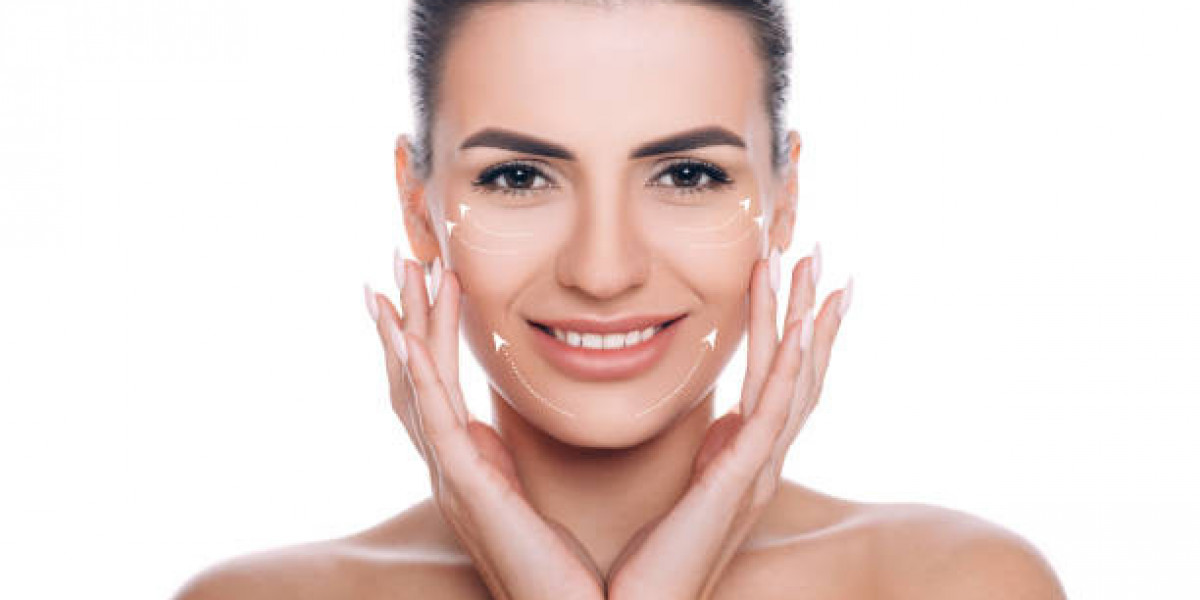

Every face has unique features, proportions, and aging patterns that influence its overall appearance. As people grow older, reduced collagen production, declining skin elasticity, and changes in underlying facial tissues can cause sagging skin, deeper wrinkles, and loss of facial definition. Since these changes vary between individuals, a single surgical approach may not address everyone's concerns equally. Many people explore Facelift in Riyadh to understand how customized facial rejuvenation can improve visible aging signs while preserving their natural appearance. Personalized treatment planning helps ensure that surgical decisions reflect individual facial characteristics and aesthetic goals.
Why Individual Facial Assessment Matters Before Surgery
A detailed facial assessment is an important part of planning facelift surgery. During consultation, a qualified plastic surgeon evaluates skin elasticity, facial structure, tissue position, and the areas affected by aging. Medical history and personal expectations are also considered before recommending a suitable technique. This assessment helps identify whether the main concerns involve sagging cheeks, loose skin around the jawline, deeper facial folds, or changes in the lower face. Understanding these factors allows the surgeon to develop an approach that supports balanced and natural-looking improvements.
Different Facelift Techniques for Individual Needs
Facelift surgery includes several approaches that can be adapted according to facial aging patterns and treatment goals. The recommended technique depends on the degree of skin laxity, tissue changes, and areas requiring improvement.
Traditional Facelift
A traditional facelift generally addresses more noticeable signs of aging across the middle and lower portions of the face. It may involve repositioning deeper tissues and removing excess skin to improve sagging cheeks, jowls, and jawline definition.
Mini Facelift
A mini facelift is a more limited surgical approach that may be considered for individuals with mild to moderate skin laxity, particularly around the lower face. Its suitability depends on facial anatomy and the extent of aging concerns.
Lower Facelift
A lower facelift focuses primarily on the jawline, jowls, and surrounding areas. It may help improve loose skin and create a more defined appearance around the lower face.
How Personalized Techniques Preserve Natural Facial Features
Natural-looking facelift results depend on maintaining the balance between different facial structures. Excessive skin tightening can create an unnatural appearance, which is why modern surgical planning focuses on appropriate tissue repositioning and careful adjustments. The surgeon considers the relationship between the cheeks, jawline, chin, and surrounding features when developing a treatment plan. Individuals considering Facelift in Riyadh often prefer results that make them appear refreshed without dramatically changing their identity. Customized techniques help address specific concerns while respecting natural facial proportions and expressions.
Factors That Influence the Choice of Facelift Technique
Several factors determine which facelift approach may be suitable for an individual. Skin quality and elasticity help the surgeon understand how the tissues may respond to surgery. The degree of sagging, facial anatomy, age-related changes, and overall health also influence treatment planning. Personal expectations are equally important because some individuals want improvement in the lower face, while others require broader facial rejuvenation. A professional assessment helps balance these considerations and identify an appropriate surgical option.
What to Expect During Personalized Facelift Surgery
The process begins with a consultation where the surgeon discusses facial concerns, medical history, and desired improvements. After selecting a suitable approach, the procedure is planned according to individual anatomy. Depending on the technique, incisions may be placed around the ears and sometimes along the hairline. Underlying tissues are repositioned, and excess skin may be removed when necessary. The incisions are then carefully closed. Anesthesia and surgical details vary according to the procedure, so patients should understand the recommended plan before proceeding.
Recovery and Aftercare for Natural Results
Recovery is an essential part of the surgical journey. Temporary swelling, bruising, tightness, and discomfort may occur during the initial healing period. Patients should follow their surgeon's instructions, attend follow-up appointments, and avoid strenuous activities until medically cleared. Proper incision care and adequate rest support the healing process. Recovery timelines differ between individuals, and final improvements become more noticeable as swelling subsides. Maintaining realistic expectations is important throughout this period.
Book Your Personalized Facelift Consultation at Royal Clinic Saudi
If you are considering facial rejuvenation and want an approach suited to your individual features, arrange a consultation at Royal Clinic Saudi. A professional assessment can help identify your concerns and explain suitable facelift techniques, expected outcomes, recovery requirements, and potential risks. Contact the clinic to discuss your aesthetic goals and explore personalized treatment options.
Frequently Asked Questions
1. Why are personalized facelift techniques important?
They address individual aging concerns while preserving natural facial features.
2. Can a facelift create natural-looking results?
Yes, careful surgical planning can support balanced and natural-looking improvements.
3. Which facelift technique is best for me?
The suitable technique depends on your facial anatomy, skin condition, and treatment goals.
4. Does a personalized facelift change facial expressions?
The goal is to improve facial contours while preserving natural expressions.