
What Happens to Your Car After You Sell It for Cash in Edmonton?
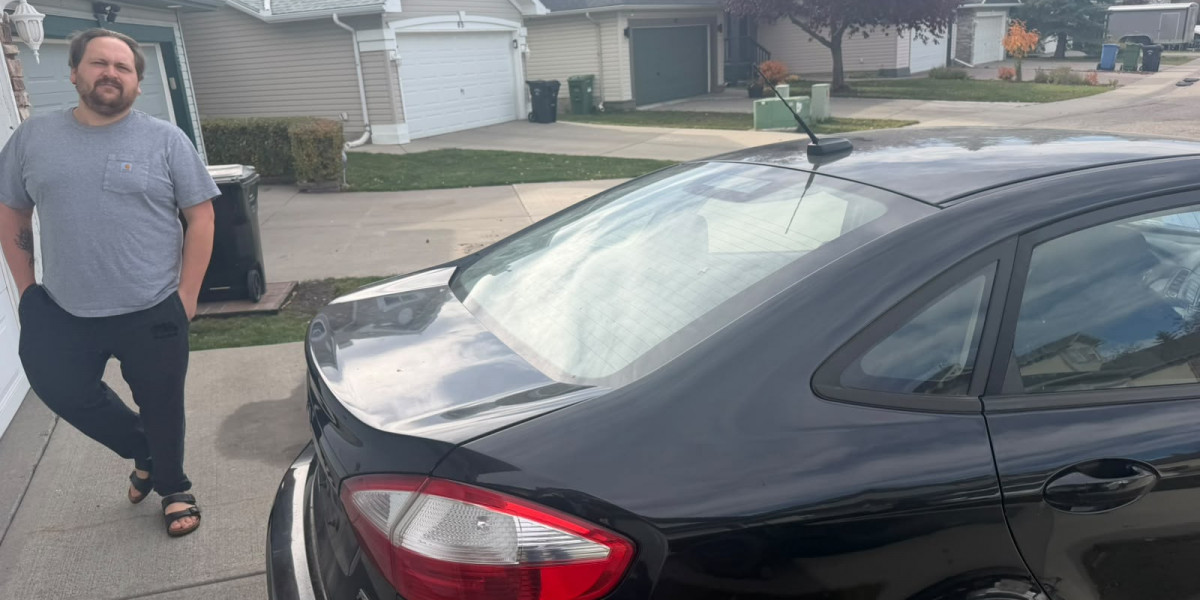
You sign the bill of sale, take the cash, and watch your old car disappear down the street on a tow truck. Then the question comes: where is it actually going? Most people assume it gets crushed straight away. In reality, a car sold through a cash for cars Edmonton service usually goes through several careful steps before any metal is shredded. Knowing how that works explains why even a dead, rusted car still has value, and why it matters who you sell it to.
The Big Picture: Most of a Car Gets Reused
Vehicle recycling is a large industry in Canada. According to industry figures reported by Collision Repair magazine, Canada generates about 1.6 million end-of-life vehicles a year, and about 95% of them are eventually collected for recycling. Using current techniques, about 90% of a vehicle can be reused or recycled. The remaining 10% is shredder residue.
That's possible because cars are mostly metal. The U.S. Environmental Protection Agency notes that a vehicle is about 75% metal by weight, both ferrous and non-ferrous. The rest is tires, fluids, glass, plastics, fabric and rubber.
Step 1: Pickup and Paperwork
The process starts at your driveway. A reputable buyer checks your proof of ownership and ID, confirms the VIN matches the paperwork, and signs a bill of sale with you. This step protects both of you: it shows the car was legally sold, and it keeps stolen vehicles out of the recycling stream. You keep your licence plate. In Alberta, plates belong to the owner, not the car.
Step 2: Sorting – Resell, Part Out or Recycle
Once the car arrives at the yard, it's assessed. Each vehicle usually goes down one of three paths:
Repair and resell. A car with a fixable problem and a solid body can sometimes be repaired and sold on as a working vehicle.
Part out. A car that isn't worth fixing as a whole, but has good engines, transmissions, panels or interior parts, becomes a parts donor.
Recycle. A car with little usable left goes straight to depollution and metal recovery.
Year, model, condition and what's still working decide the path. That's also what decides your quote.
Step 3: Depollution – Making the Car Safe
Before any crushing, the car has to be made safe. The industry calls this "depollution." It typically includes:
Draining fluids: fuel, engine oil, transmission fluid, coolant, brake fluid and washer fluid are drained and collected for reuse, recycling or proper disposal.
Removing the battery: lead-acid batteries are recycled. Hybrid and EV high-voltage batteries need specialized handling.
Recovering refrigerant from the air conditioning system instead of releasing it into the air.
Removing tires for recycling or resale.
Removing mercury switches. Older vehicles used mercury-containing switches for convenience lights and anti-lock brakes. Canada's steel and auto industries set up a national program to remove them before vehicles are flattened, shredded and recycled into new steel.
Dealing with airbags and other parts that need careful handling.
Step 4: Harvesting Parts
Next, anything still worth selling is removed. The Automotive Recyclers of Canada explains that working components and body parts or panels in good shape are kept and catalogued for future sale. That's how a 15-year-old sedan with a blown engine can still supply a door, a headlight, a seat or an alternator that keeps another car on the road. Used parts are often much cheaper than new ones, which helps other drivers afford repairs.
Step 5: Crushing, Shredding and Sorting Metal
What remains is mostly the metal shell. It's flattened to make transport efficient, then sent to a shredder that breaks it into fist-sized pieces. Magnets and other separation systems sort steel and iron from aluminum, copper and other non-ferrous metals. The leftover mix of plastics, foam, fabric and glass is the shredder residue, the small share that can't easily be recycled.
Step 6: A Second Life
The sorted metal is sold to mills and smelters, where it's melted down to make new steel and aluminum products. Some of it may end up in new cars, appliances or building materials. Recycled parts go back into repair shops and driveways across the province.
Where Each Part of Your Car Ends Up
Component | What usually happens to it |
|---|---|
Engine and transmission | Resold if working; otherwise recycled for metal |
Body panels, doors, lights | Resold as used parts if undamaged |
Fluids | Drained and collected for reuse, recycling or proper disposal |
12-volt battery | Recycled |
Tires | Resold if usable, otherwise recycled |
Catalytic converter | Sent for recovery of its precious metals |
Steel and aluminum shell | Shredded, sorted and melted into new metal |
Plastics, foam, fabric | Mostly ends up as shredder residue |
What This Means for You as a Seller
Your "worthless" car isn't worthless
Because so much of a car can be reused, even a non-running, rusted or wrecked vehicle has value in its parts and metal. That's why cash buyers pay for cars that can't be sold privately.
Missing parts change the offer
If the catalytic converter, engine or wheels are gone, the car has less to recover, and the price reflects that. Describe the car accurately when you ask for a quote so the offer doesn't change on pickup day.
Who you sell to matters
A car left to rot in a field leaks fluids into the ground. A car sold to a responsible buyer gets drained, stripped and recycled properly. If your car is past saving, a proper scrap car removal in Edmonton gets it into that recycling chain instead of leaving it to decay behind a garage.
Frequently Asked Questions
Is my car crushed right after it's picked up?
Usually not. Most cars are assessed first, then drained of fluids and stripped of reusable parts before the shell is crushed and shredded. A car with a fixable problem may even be repaired and resold. Crushing is normally the last step, not the first.
What if I left something in the car?
Contact the buyer as soon as you notice. Items are often recoverable if you call quickly, but once the car has been processed they're gone. Check the glovebox, trunk, spare tire well, door pockets and under the seats before pickup.
How much of a scrapped car gets recycled?
Most of it. Industry figures put the reusable or recyclable share of a vehicle at about 90%, with the remaining 10% ending up as shredder residue. Metals make up roughly three-quarters of a typical vehicle's weight, and they're the most valuable part to recover.
Do I need to drain fluids or remove the battery before selling?
No. A reputable cash or scrap buyer handles depollution at their yard with the proper equipment. Just leave the car as it is, remove your personal belongings and licence plate, and have your proof of ownership ready.
From Your Driveway to a Second Life
Selling an old car for cash isn't the end of the road for it. Its parts keep other cars running, its fluids are captured instead of spilled, and its metal becomes something new. When you're ready to let it go, choose a buyer that does the paperwork properly and recycles responsibly. You get paid, and very little of your old car goes to waste.