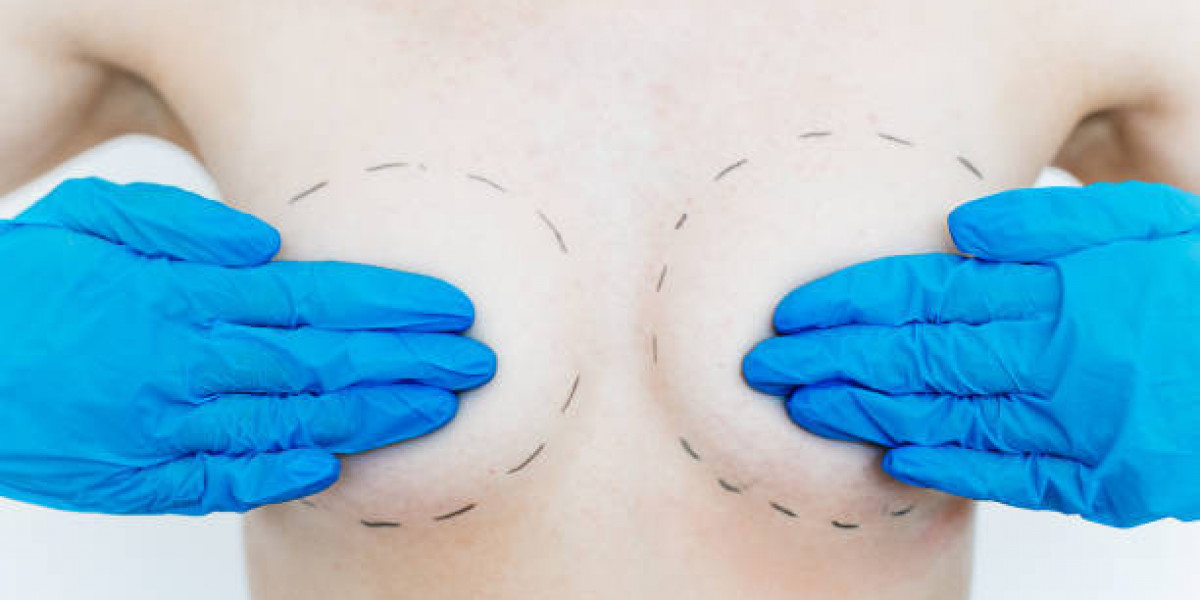

Implant placement is an important consideration when planning breast augmentation because it determines where the implant sits in relation to the natural breast tissue and chest muscles. Breast Augmentation Surgery in Riyadh Different placement techniques offer varying levels of tissue coverage and involve different surgical considerations. Understanding these options can help patients discuss their treatment plans more effectively with a qualified surgeon.
When exploring Breast Augmentation Surgery in Riyadh, patients may come across terms such as subglandular, submuscular, and dual-plane placement. Each describes a different position for the implant, and the appropriate approach depends on individual anatomy, tissue characteristics, implant selection, and medical considerations.
What Does Implant Placement Mean?
Implant placement refers to the anatomical position where a breast implant is positioned during surgery. The surgeon creates a space, commonly called an implant pocket, to accommodate the implant.
The selected pocket affects how much natural tissue covers the implant, how it relates to the pectoral muscle, and how the breast may appear after healing. Placement is not a one-size-fits-all decision. A surgeon evaluates the patient's chest structure, existing breast tissue, skin characteristics, and surgical goals before recommending an option.
Common Breast Implant Placement Options
Subglandular Placement
Subglandular placement involves positioning the implant behind the natural breast tissue but in front of the pectoral muscle. It is commonly described as above-the-muscle placement.
Because the muscle is not positioned over the implant, this approach generally involves less direct muscle disruption. It may also be relevant for patients who regularly engage in activities involving their chest muscles.
However, the implant receives less coverage from the pectoral muscle. Patients with thinner natural breast tissue may have a greater possibility of visible implant edges or rippling. The surgeon therefore evaluates tissue thickness before considering this technique.
Submuscular Placement
Submuscular placement positions the implant beneath the pectoral muscle. Depending on the surgical technique, muscle coverage may extend across most or only part of the implant.
One consideration is that additional muscle coverage can help conceal implant edges, particularly in the upper breast area. This may be relevant for patients with limited natural tissue coverage.
The approach also involves the pectoral muscle, which can influence early recovery. Some patients experience additional muscle-related soreness, and muscle contraction may affect implant movement or appearance.
Dual-Plane Placement
Dual-plane placement combines elements of subglandular and submuscular positioning. The upper portion of the implant is covered by the pectoral muscle, while the lower portion is positioned beneath the breast tissue.
This technique allows the surgeon to consider both muscle coverage and the relationship between the implant and natural breast tissue. Different dual-plane variations may be used depending on anatomy and surgical requirements.
It is not automatically appropriate for every patient. The surgeon determines whether this approach is suitable after assessing breast structure, skin characteristics, and implant requirements.
How Do Implant Placement Options Differ?
Although all three techniques are intended to accommodate breast implants, their anatomical positions create different considerations.
Placement option | Implant position | Main consideration |
|---|---|---|
Subglandular | Behind breast tissue, above the muscle | Less direct muscle involvement |
Submuscular | Beneath the pectoral muscle | Additional muscle coverage |
Dual-plane | Upper portion beneath muscle, lower portion beneath breast tissue | Combines muscle and breast tissue coverage |
The final result depends on several factors beyond placement, including implant characteristics, tissue quality, healing, and individual anatomy.
Factors That Influence Implant Placement
Natural Breast Tissue and Skin Coverage
The amount and thickness of existing breast tissue influence how much coverage an implant receives. Patients with thinner tissue may require a different placement strategy from those with more natural coverage.
Skin elasticity and the condition of the breast tissue are also considered because they affect how the tissues accommodate an implant.
Chest Anatomy
Chest width, muscle structure, breast position, and natural asymmetry can influence the surgical plan. The surgeon evaluates these characteristics to determine which implant pocket may be appropriate.
Implant Size and Characteristics
Implant size, shape, profile, and material are considered alongside placement. A particular implant choice may require adjustments to the surgical approach to account for tissue coverage and anatomical limitations.
Lifestyle and Physical Activity
Regular physical activity, especially activities involving the chest muscles, may be relevant when comparing placement techniques. Patients should discuss their exercise routines and everyday physical requirements during the consultation.
Recovery Considerations for Different Placement Techniques
Recovery depends on the surgical approach and individual healing. Subglandular placement generally involves less direct muscle disruption, while submuscular and dual-plane techniques involve the pectoral muscle to varying degrees.
Patients may experience temporary swelling, tenderness, tightness, and changes in breast sensation. The duration and intensity of these effects vary. Following instructions about supportive garments, wound care, sleeping positions, and physical activity is important.
Follow-up appointments allow the surgeon to monitor healing and address concerns. Patients should avoid returning to strenuous activities until their treating professional confirms that it is appropriate.
Understanding Treatment Planning and Associated Costs
Implant placement is only one part of the overall surgical plan. A surgeon also considers implant selection, medical history, anesthesia requirements, surgical technique, and follow-up care.
People researching breast augmentation costs in riyadh should understand that treatment requirements can vary according to the selected procedure and individual medical needs. A consultation can clarify which placement options are available and what factors may influence the overall plan.
Why a Professional Consultation Matters
A detailed consultation helps patients understand the differences between implant placement techniques. The surgeon can assess breast and chest anatomy, explain potential benefits and limitations, and discuss possible complications.
Patients should also ask about implant monitoring, recovery expectations, long-term considerations, and follow-up arrangements. Clear communication helps ensure that decisions are based on medical suitability rather than general assumptions.
Conclusion
Breast implant placement options include subglandular, submuscular, and dual-plane techniques. Each involves a different relationship between the implant, natural breast tissue, and pectoral muscle. The appropriate method depends on anatomy, tissue coverage, implant characteristics, lifestyle, and professional assessment. Understanding these differences provides a useful foundation for discussing surgical planning and recovery.
For those seeking professional guidance, a consultation at Enfield Royal Riyadh can provide an opportunity to discuss implant placement options, understand their differences, and review relevant medical considerations with a qualified specialist.
Frequently Asked Questions
1. What are the main breast implant placement options?
The main options are subglandular, submuscular, and dual-plane placement.
2. What is subglandular implant placement?
It positions the implant behind breast tissue and in front of the pectoral muscle.
3. What is dual-plane implant placement?
It places the upper implant portion beneath the muscle and the lower portion beneath breast tissue.
4. Does implant placement affect recovery?
Yes. Techniques involving the pectoral muscle may involve additional muscle-related soreness during recovery.
5. Who decides the appropriate implant placement?
A qualified surgeon recommends an approach after evaluating anatomy, tissue coverage, and medical history.