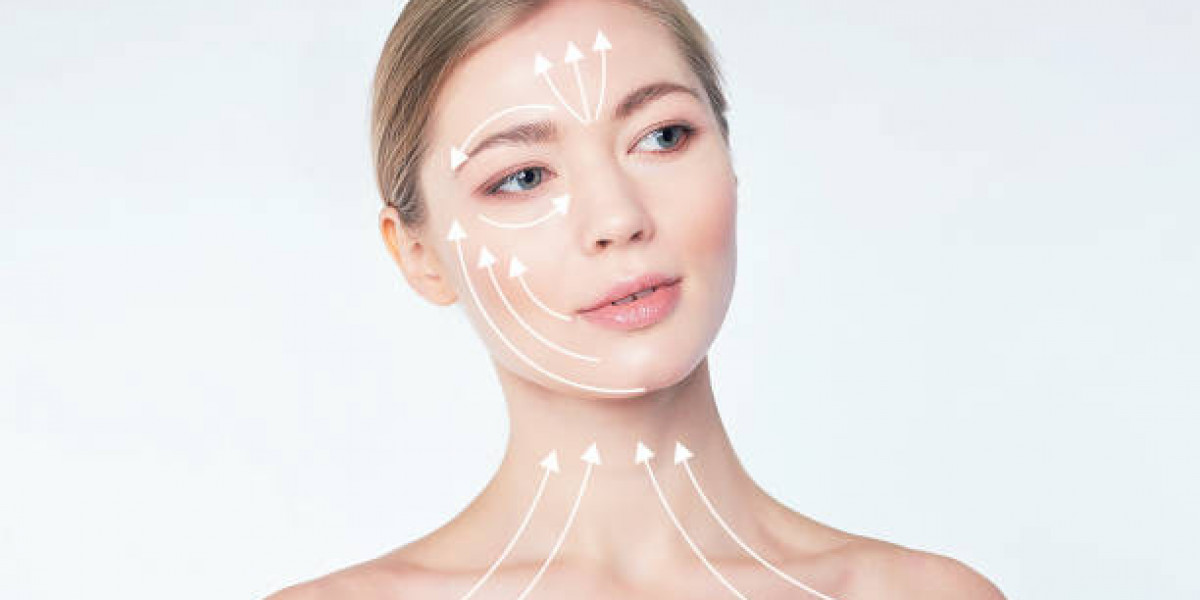

Loose facial skin is one of the most noticeable signs of aging. Over time, the skin gradually loses collagen, elastin, and natural firmness, while the underlying facial tissues may also shift downward. These changes can cause sagging cheeks, jowls, deeper folds, and reduced jawline definition. Many people considering Facelift in Riyadh want to understand how surgery can tighten loose skin and restore a more youthful facial appearance. A facelift is designed to address these changes while maintaining the natural shape and proportions of the face.
Facelift surgery tightens loose facial skin by adjusting excess skin and repositioning the underlying supporting tissues. Rather than simply pulling the skin, the surgeon may work with deeper facial structures to improve support and create smoother contours. The goal of Facelift in Riyadh is to reduce visible sagging around areas such as the cheeks, jawline, and lower face. The results depend on skin condition, facial anatomy, surgical technique, and individual healing.
Why Does Facial Skin Become Loose With Age?
Skin laxity develops gradually as part of the natural aging process. Collagen and elastin are proteins that help maintain skin strength and flexibility. As their production decreases, the skin may become thinner, less firm, and more prone to sagging.
Other factors can also contribute to loose facial skin:
Natural aging: Changes in collagen and elastin reduce skin firmness.
Sun exposure: Ultraviolet radiation can damage collagen and contribute to premature aging.
Genetics: Family traits may influence skin quality and the timing of facial changes.
Weight fluctuations: Significant weight changes can affect facial volume and skin appearance.
Lifestyle habits: Smoking, poor nutrition, and inadequate skincare may contribute to visible skin aging.
These factors can affect different areas of the face at different rates.
How Does Facelift Surgery Tighten Loose Facial Skin?
A facelift involves carefully planned adjustments to the skin and underlying facial tissues. The exact technique depends on the patient's concerns and the degree of skin laxity.
Repositioning Underlying Facial Tissues
Some facelift techniques address the deeper supporting layer known as the superficial musculoaponeurotic system, or SMAS. Repositioning or tightening this layer can improve support around the cheeks and lower face.
Removing Excess Skin
After the underlying tissues are adjusted, the surgeon may remove or reposition excess skin. This helps reduce visible sagging and creates a smoother appearance around the treated areas.
Improving Jawline Definition
Loose skin and tissue around the lower face can create jowls that make the jawline appear less defined. A facelift may improve this area by adjusting the underlying tissues and addressing excess skin.
Lifting Sagging Cheeks
As facial tissues descend with age, the cheeks may lose their natural position. Certain facelift techniques can reposition these tissues to create a more supported and refreshed appearance.
Addressing Loose Skin Around the Neck
Depending on the surgical plan, a facelift may also include treatment of the upper neck. This can help improve loose skin and create a smoother transition between the chin and neck.
Which Facelift Techniques Help Tighten Loose Skin?
Different facelift procedures address different degrees of facial aging. The surgeon selects an approach according to facial anatomy, skin condition, and treatment goals.
Mini Facelift
A mini facelift generally focuses on mild to moderate sagging around the lower face and jawline. It uses a more limited surgical approach than a traditional facelift and may be suitable for selected patients.
Traditional Facelift
A traditional facelift addresses more noticeable sagging in the cheeks, lower face, and sometimes the neck. It may involve repositioning underlying tissues and adjusting excess skin to improve facial contours.
SMAS Facelift
This technique works with the superficial musculoaponeurotic system beneath the skin. Adjusting this supportive layer can improve lower-face definition and reduce the appearance of sagging.
Deep Plane Facelift
A deep plane facelift works with deeper facial tissue layers and may address sagging around the cheeks and lower face. Its suitability depends on individual anatomy and the surgeon's assessment.
What Results Can You Expect After Facial Skin Tightening?
A facelift can improve loose skin and create a firmer-looking facial appearance, but the results develop gradually. Swelling and bruising are common during the early recovery period and may temporarily affect facial contours.
Many patients notice visible improvements as swelling decreases over the first few weeks. More refined results may develop over three to six months as tissues settle and healing progresses.
A facelift does not make the skin permanently firm or stop natural aging. Some looseness may gradually return over time, and the longevity of results varies between individuals.
How Can You Maintain Tighter-Looking Skin After a Facelift?
Healthy habits may help support skin quality and maintain the appearance of surgical results.
Protect your skin from sunlight: Use appropriate sunscreen and limit excessive UV exposure.
Avoid smoking: Smoking can negatively affect circulation and skin health.
Maintain a stable weight: Significant weight changes may affect facial contours.
Follow a suitable skincare routine: Use products recommended for your skin and healing stage.
Stay hydrated: Adequate hydration supports general skin health.
Eat a balanced diet: Nutritious foods help support overall wellness.
Attend follow-up appointments: Your surgeon can monitor healing and discuss any concerns.
These steps support skin health but cannot prevent the natural aging process.
Is Facelift Surgery Suitable for Everyone With Loose Facial Skin?
A facelift may be appropriate for adults with noticeable facial sagging, loose skin, jowls, or reduced jawline definition who are in suitable general health. However, not everyone with loose skin needs surgery. Individuals with mild concerns may be candidates for non-surgical treatments, depending on their skin condition and expectations.
Like any surgical procedure, a facelift carries potential risks, including bleeding, infection, scarring, changes in sensation, nerve injury, and anesthesia-related complications. A consultation with a qualified plastic surgeon is important to evaluate suitability and discuss realistic outcomes.
Book a Facelift Consultation at Royal Clinic Saudia
If you are considering Facelift in Riyadh, a professional consultation can help determine which areas of loose skin may benefit from treatment. Royal Clinic Saudia can help arrange an appointment to discuss suitable facelift techniques, expected improvements, recovery requirements, and your aesthetic goals. A personalized assessment can help you understand your options before making a decision.
FAQs:
Does facelift surgery permanently tighten loose facial skin?
A facelift can provide long-lasting improvement, but it does not stop natural aging. Skin and underlying tissues continue to change over time, so some looseness may gradually return.
Can a facelift tighten loose skin around the jawline?
Yes. A facelift may improve jowls and loose skin around the lower face by repositioning supporting tissues and adjusting excess skin.
How long does it take to see tighter skin after a facelift?
Some improvement may become visible within a few weeks as swelling decreases. More refined results generally develop over several months as the tissues heal.
Is a facelift better than non-surgical skin tightening?
The best option depends on the degree of skin laxity and the patient's goals. A facelift may be more suitable for significant sagging, while non-surgical treatments may help selected patients with mild concerns.