
Introduction
Rajasthan is a destination where history, architecture, food, music, crafts, and everyday traditions come together. From the colourful streets of Jaipur and the blue houses of Jodhpur to the desert villages around Jaisalmer and the historic towns of Mewar, every region has its own character. While forts and palaces offer a glimpse into the state's past, experiencing its local culture often means spending time beyond the usual sightseeing attractions.
Choosing a homestay in Rajasthan can make that experience more personal. A locally hosted property may give travelers opportunities to interact with residents, enjoy regional food, discover traditional architecture, and receive recommendations for exploring nearby markets, villages, and cultural attractions.
Unlike an itinerary focused entirely on monuments, a homestay-based holiday can leave room for everyday experiences: sharing a meal, watching an artisan work, listening to folk music, or walking through a traditional neighbourhood. Whether you are interested in history, food, photography, crafts, or rural life, the right accommodation can become a comfortable base for discovering Rajasthan at your own pace.
Why Is Rajasthan Worth Exploring Beyond Its Famous Attractions?
Rajasthan is widely recognised for its forts, palaces, desert landscapes, and historic cities. However, its cultural identity extends well beyond these landmarks.
The state's traditions are reflected in its textiles, jewellery, pottery, architecture, folk performances, festivals, cuisine, and local languages. Different regions have developed distinctive customs and artistic styles over generations.
The Rajasthan Tourism Department highlights the state's folk music, dance, crafts, architecture, food, and festivals as important parts of its cultural identity.
For travelers, this diversity creates opportunities to experience different sides of Rajasthan during one journey. A visit to Jaipur may introduce you to block printing and traditional jewellery, while a trip to western Rajasthan may offer opportunities to discover desert music, embroidery, pottery, and rural traditions.
A homestay can help connect these experiences with the people and communities who keep them alive.
1. Experience Local Hospitality and Everyday Traditions
Hospitality is an important part of travel in Rajasthan. Staying in a locally hosted property can provide opportunities to interact with people who understand the area's customs, food, and everyday routines.
Depending on the host and property, you may receive recommendations for neighbourhood eateries, local markets, nearby heritage sites, or cultural events that are not always included in standard sightseeing itineraries.
Conversations with hosts can also provide useful context about regional traditions. You might learn why certain foods are popular, how local festivals are celebrated, or what makes the architecture of a particular area distinctive.
These interactions should happen naturally and respectfully. Every host has a different level of involvement, so check guest reviews and property descriptions if personal interaction is important to you.
2. Discover Rajasthan's Traditional Architecture
Rajasthan's architecture is one of its most recognisable cultural features.
The state has a variety of historic buildings, including forts, palaces, havelis, temples, stepwells, and traditional homes. Their designs reflect regional materials, climate, artistic influences, and the history of the communities that built them.
Depending on the property, a homestay may feature traditional courtyards, carved wooden doors, decorative windows, local furnishings, or interiors inspired by regional architecture.
Some travelers may prefer staying in an older home that retains original architectural details, while others may choose a modern property with traditional design elements.
Before booking, ask the host about the building's history and verify which features are genuinely part of the property. Traditional-inspired decoration and a historic heritage building are not necessarily the same thing.
3. Explore Local Food and Regional Flavours
Food is one of the most enjoyable ways to understand Rajasthan's culture.
The state's cuisine has developed in response to its climate, agricultural conditions, and regional traditions. Ingredients such as gram flour, lentils, millet, dairy, spices, and preserved vegetables feature in many traditional preparations.
Some well-known dishes and specialties include:
Dal baati churma: A popular combination of lentils, baked wheat balls, and a sweet crumbly preparation.
Gatte ki sabzi: Gram-flour dumplings cooked in a spiced gravy.
Ker sangri: A traditional preparation using desert beans and berries.
Laal maas: A spicy meat preparation associated with Rajasthani cuisine.
Bajra roti: A millet flatbread often served with regional accompaniments.
Ghevar: A traditional sweet particularly associated with festive occasions.
Rajasthan Tourism describes the state's cuisine as an important reflection of its history and regional identity.
A homestay may offer home-style meals or help you find local restaurants serving regional dishes. Meal availability varies, so ask about menus, timings, additional charges, and dietary requirements before booking.
4. Learn About Folk Music, Dance, and Storytelling
Music and dance are deeply connected with Rajasthan's cultural identity.
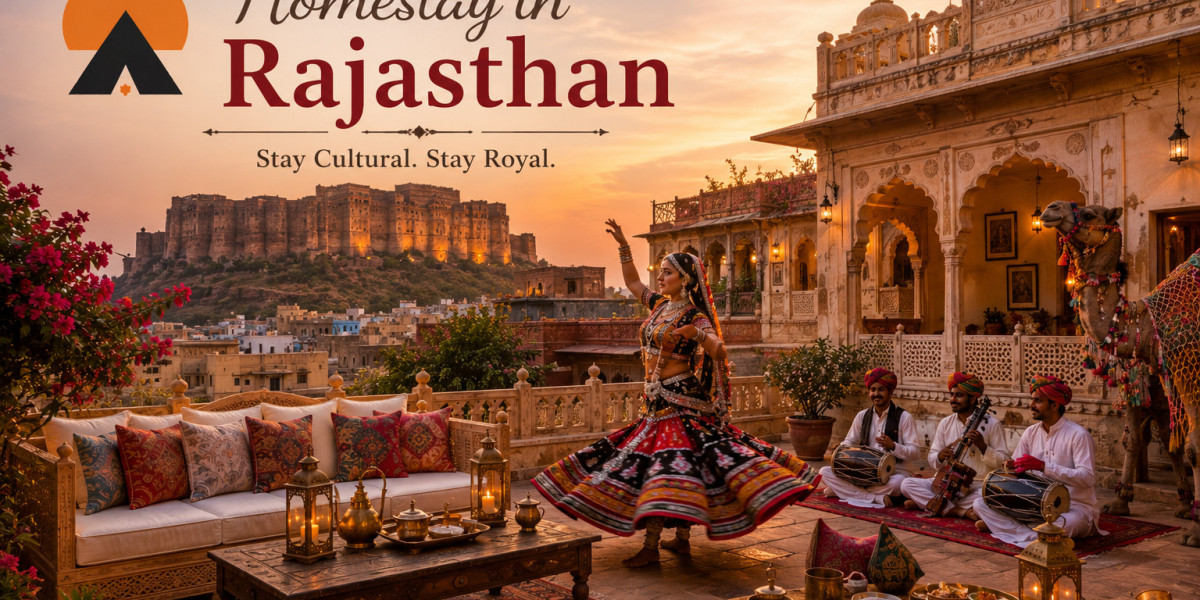
Traditional performances can include Ghoomar, Kalbeliya, and other regional dance forms. Folk musicians use instruments such as the kamaicha, sarangi, ravanhatta, and khartal to accompany songs and stories.
The Manganiyar and Langa communities of western Rajasthan are particularly known for their musical traditions. Puppetry and oral storytelling also contribute to the state's performing arts heritage.
Rajasthan's official cultural information recognises folk music, dance, and theatrical arts as important parts of its heritage.
Depending on where you stay and when you visit, you may be able to attend a local performance or a cultural programme. Ask your host about genuine community events and reputable organisers rather than assuming that every property offers performances.
5. Visit Traditional Markets and Support Local Artisans
Rajasthan's markets are more than shopping destinations. They provide a glimpse into the state's artistic traditions and local business communities.
Travelers can explore different types of crafts depending on the city or region:
Block-printed and hand-dyed textiles
Bandhani and leheriya fabrics
Blue pottery
Lac bangles
Leather products
Wooden carvings
Metal crafts
Miniature paintings
Embroidery and traditional decorative work
The Rajasthan government's cultural initiatives include promoting traditional woodworking, pottery, textiles, and other heritage handicrafts. Visitors may have opportunities to watch artisans at work and learn about the processes behind their products.
A local host may be able to suggest markets or workshops suited to your interests. When buying handicrafts, ask about the material, production process, and whether the product is handmade or commercially manufactured.
Purchasing directly from local artisans and small businesses can help support traditional skills and livelihoods.
6. Experience Village Life and Rural Traditions
Rajasthan's cultural experiences are not limited to its cities.
Rural communities offer another perspective on the state's traditions, livelihoods, architecture, food, and relationship with the surrounding landscape.
A village visit may introduce travelers to farming practices, traditional homes, local crafts, community markets, and regional food. Some rural areas also have distinctive folk traditions and forms of hospitality.
The Rajasthan Rural Tourism Scheme promotes tourism units in rural areas, including guest houses, agricultural tourism, and camping facilities. The state's economic review describes rural tourism as a way to showcase cultural heritage and natural landscapes while creating opportunities for local communities.
If you are interested in rural experiences, ask your host about responsible village visits or local guides. Remember that villages are residential communities, not open-air attractions. Respect privacy, obtain permission before taking photographs, and avoid entering private land without consent.
7. Explore Rajasthan's Festivals and Fairs
Festivals provide an opportunity to see local traditions in a lively setting.
Rajasthan hosts cultural celebrations throughout the year, with different events reflecting regional history, religious traditions, music, crafts, and community life.
Some well-known events include:
Pushkar Fair: A major annual gathering associated with livestock, trade, and cultural activities.
Gangaur: A festival celebrated with processions and traditional customs, particularly associated with women and devotion.
Teej: A monsoon-season festival marked by celebrations, traditional clothing, and community gatherings.
Marwar Festival: A cultural event associated with the folk traditions of the Jodhpur region.
Desert Festival: A celebration of desert culture, performances, and local traditions in Jaisalmer.
The Rajasthan government's cultural calendar includes fairs and festivals across several parts of the state. Dates and programmes can vary each year, so check official announcements before planning your trip around a particular event.
A locally hosted stay may help you understand the significance of an event and identify suitable ways to attend respectfully.
8. Choose Accommodation According to Your Cultural Interests
When comparing the best homestay in Rajasthan, think about the experiences you want to have during your trip.
A property with traditional interiors may appeal to architecture enthusiasts. A countryside stay may suit travelers interested in rural life, while accommodation near a historic city centre can make it easier to explore markets, museums, and monuments.
Consider these options:
Heritage-Inspired Accommodation
This can suit travelers interested in traditional design, old neighbourhoods, and the history of Rajasthan. Check whether the property is genuinely historic or simply uses heritage-inspired decoration.
Village and Rural Stays
These may offer a closer connection with local communities, agricultural landscapes, and traditional activities. Ask what experiences are available and whether they are arranged with local residents.
City-Based Homestays
A property in or near a city may provide convenient access to forts, palaces, museums, markets, restaurants, and cultural venues.
Quiet Countryside Accommodation
Travelers who prefer a slower holiday may enjoy properties surrounded by rural landscapes. Check road access, transport arrangements, and the distance from essential services.
9. Explore Different Cultural Regions of Rajasthan
Rajasthan is a large state, and its cultural experiences vary from one region to another. Choosing a suitable base can help you explore without spending too much time travelling.
| Region | Cultural experiences to consider |
|---|---|
| Jaipur | Traditional markets, textiles, jewellery, architecture, and local food |
| Jodhpur | Blue City neighbourhoods, Marwar traditions, folk music, and handicrafts |
| Udaipur | Mewar heritage, lakeside architecture, miniature painting, and traditional cuisine |
| Jaisalmer | Desert traditions, folk performances, havelis, and local crafts |
| Bikaner | Historic architecture, markets, regional food, and desert heritage |
| Shekhawati | Painted havelis, murals, and merchant-town history |
| Pushkar | Religious traditions, markets, and the annual fair |
These are broad suggestions rather than a complete description of each region. The best choice depends on your interests, available time, and travel arrangements.
10. Make Time for Meaningful Local Experiences
A cultural holiday does not have to involve visiting a large number of attractions every day.
Sometimes the most memorable experiences come from smaller activities: trying a regional breakfast, watching an artisan work, exploring a neighbourhood market, attending a local performance, or learning about the history of a traditional building.
A homestay can provide a base for these experiences while allowing you to take breaks between sightseeing activities.
When comparing homestays in Rajasthan, consider whether the property is well located for your plans, whether the host can offer local recommendations, and whether the surroundings match the atmosphere you want.
How to Plan a Culture-Focused Rajasthan Holiday
A well-planned itinerary should balance major attractions with time for local experiences.
Day 1: Explore Heritage and Architecture
Arrive at your accommodation and settle in. Depending on your destination, visit a fort, palace, museum, or historic neighbourhood. In the evening, explore a nearby market and try regional food.
Day 2: Discover Food and Crafts
Spend part of the day exploring traditional markets or a craft workshop. Ask about the history and techniques behind local textiles, pottery, jewellery, or paintings.
If available, attend a cultural performance or visit a local food destination.
Day 3: Experience Everyday Local Life
Choose a village visit, guided heritage walk, or another community-based experience. Leave enough time to enjoy your accommodation and speak with your host before departure.
For a longer holiday, consider visiting more than one region rather than trying to cover the entire state in a few days.
What Should You Check Before Booking?
Before confirming your accommodation, compare practical details as well as cultural appeal.
Exact property location
Distance from major attractions and markets
Room size and bathroom facilities
Cleanliness and recent guest reviews
Meal availability and additional charges
Parking and transport options
Wi-Fi and other essential facilities
Whether cultural activities are actually offered
Accessibility for children and older travelers
Payment and cancellation conditions
Do not assume that every homestay provides traditional meals, folk performances, craft workshops, or guided village visits. Confirm these arrangements directly with the host.
Responsible Cultural Travel in Rajasthan
Respectful travel helps preserve the traditions and communities that make Rajasthan distinctive.
When visiting villages, ask permission before photographing residents or private homes. Follow local etiquette at temples, mosques, and other religious sites. Avoid touching or damaging historic structures and artworks.
Support local artisans by purchasing authentic products where possible. Choose responsible guides and operators for cultural or rural experiences, and avoid activities that exploit people, animals, or local traditions.
Cultural experiences are most meaningful when visitors approach them with curiosity and respect.
Conclusion
A homestay can make Rajasthan more than a destination for sightseeing. It can provide a comfortable base for discovering traditional architecture, regional food, folk music, handicrafts, festivals, village life, and the everyday customs that shape the state's identity.
The right accommodation depends on your interests and itinerary. History enthusiasts may prefer a property close to heritage attractions, food lovers may value home-style meals and local recommendations, while travelers interested in rural culture may prefer a village or countryside setting.
Before booking, compare the location, facilities, recent reviews, meal arrangements, and experiences available nearby. Raahghar can help travelers explore accommodation options and find a suitable starting point for discovering Rajasthan's cultural richness.
Frequently Asked Questions
1. Why choose a homestay in Rajasthan for a cultural holiday?
A homestay can offer a more personal travel experience through local hospitality, regional food, destination recommendations, and opportunities to learn about traditional architecture and everyday life.
2. What should I look for when choosing the best homestay in Rajasthan?
Consider the location, cleanliness, recent reviews, room facilities, food options, host interaction, transport access, and proximity to cultural attractions. Confirm whether advertised experiences are included or arranged separately.
3. Can homestays in Rajasthan provide traditional food?
Some properties may offer home-style regional meals, but menus and meal arrangements vary. Ask about available dishes, timings, additional costs, and dietary requirements before booking.
4. Which places in Rajasthan are suitable for exploring local culture?
Jaipur, Jodhpur, Udaipur, Jaisalmer, Bikaner, Pushkar, and the Shekhawati region offer different cultural experiences, including architecture, markets, crafts, festivals, food, and folk traditions.
5. Can I experience village life during a Rajasthan homestay?
Yes, depending on the property's location and available local arrangements. Ask your host about respectful village visits, local guides, craft activities, and opportunities to learn about rural livelihoods.
Read Our Previous Blog —> How Can a Homestay in Kumarakom Help You Experience Kerala's Backwater Lifestyle?