
Top Clinics for FUE Hair Transplant in Dubai: How to Compare Them
Choosing where to have an FUE hair transplant matters as much as choosing the technique. The doctor's experience, the quality of the assessment, the graft plan and the aftercare all shape the result, and clinics in Dubai differ widely in how they approach each of these. FUE Hair Transplant has become the most requested method in the city, because it harvests follicles one by one without a strip scar, but the method alone does not guarantee a natural result.
This guide looks at five providers patients may wish to consider, explains how FUE works, and sets out what to ask before booking. It is written as general information, not medical advice, and any decision should follow a face-to-face consultation with a qualified doctor.
How FUE Hair Transplant Works
FUE stands for follicular unit extraction. A follicular unit is the natural grouping of one to four hairs that grows together in the scalp. In an FUE procedure, the doctor uses a small punch tool to extract these units individually from the donor area, usually the back and sides of the head, where hair is most resistant to the pattern of loss. Each unit is then placed into a tiny recipient site in the thinning or bald area, following the natural direction and angle of the hair.
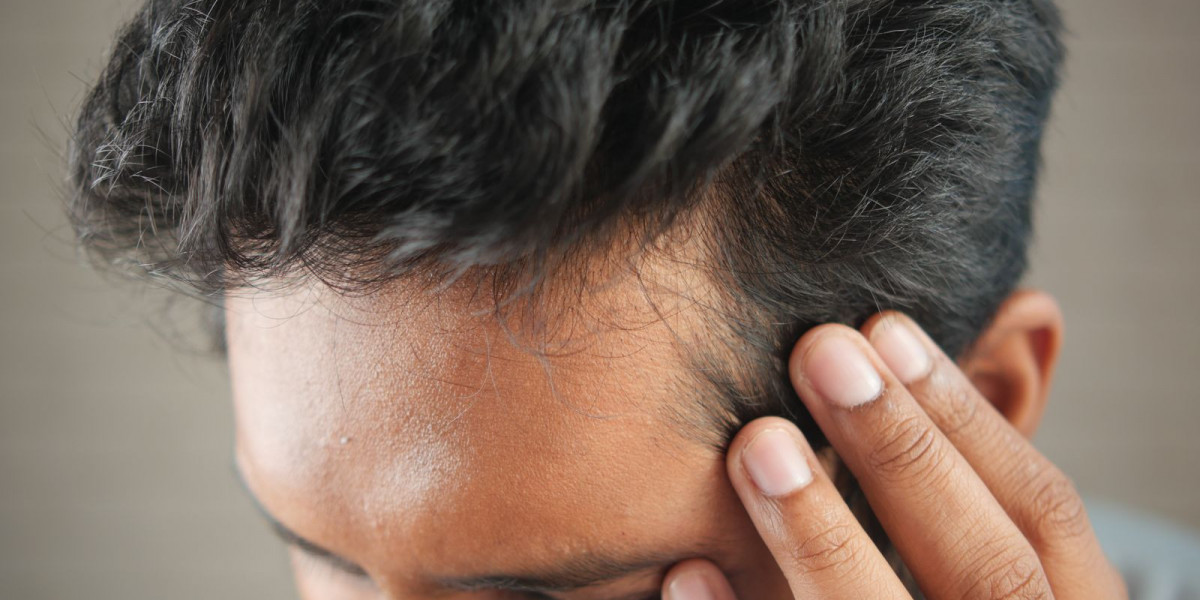
The first step is always a consultation and scalp assessment. The doctor examines the donor area, checks hair density and quality, looks at the pattern of loss, and agrees a realistic plan, including how many grafts may be needed and where the new hairline should sit. The hairline design matters a great deal: it should suit the person’s age, face shape and future hair loss, not just look full on the day. A good clinic will also talk about medical treatment for existing hair, since a transplant does not stop further loss in untreated areas.
On the day of the procedure, local anaesthesia is used. The extraction phase can take several hours depending on the number of grafts, and the placement phase takes further time. Patients are usually awake, can take short breaks, and go home the same day. The donor area is left with tiny dot scars that are usually difficult to notice once the hair grows back, especially if the hair is kept at a reasonable length. The transplanted hairs typically shed within the first few weeks — this is expected — and new growth usually begins after three to four months, with fuller results visible after nine to twelve months.
It is important to understand the limits. FUE redistributes a person’s own hair; it does not create new hair. Results depend on donor supply, and extracting too many grafts in one session can thin the donor area visibly, so a responsible doctor will limit the number taken. Hair loss in untreated areas may continue, so a long-term plan, sometimes including medical treatment, should be discussed. No provider can guarantee a particular density or result.
Top Clinics for FUE Hair Transplant in Dubai
Dubai offers a wide choice of clinics providing FUE transplants, from large hospitals to focused hair restoration practices. The providers below offer different settings and approaches, and patients should compare them carefully before deciding.
Enfield Royal Clinic Dubai
For patients who want a careful, personalised assessment before committing to an FUE transplant, Enfield Royal Clinic Dubai offers a setting where the procedure can be discussed alongside the full range of hair restoration options, including medical therapy. The clinic, established in 2007 and located at Villa 1089, Al Wasl Road, Al Manara Area, Dubai, UAE, works with DHA-licensed professionals and plans each procedure around the individual, with procedure-specific aftercare. A consultation can assess donor supply, hair characteristics and the pattern of loss, so that the plan is shaped around the patient rather than applied in a standard way. The clinic’s approach focuses on a natural-looking hairline and a realistic graft plan, with the aim of a result that ages well rather than an over-dense, artificial look.
An important part of the process is the conversation before treatment begins. Patients should have the chance to explain their goals, to hear what FUE can and cannot do, and to understand the expected timeline of shedding and regrowth. The practitioner should also explain the anaesthesia, the recovery period, and what aftercare is needed in the first two weeks. Because the donor area is a limited resource, patients should know how the clinic protects it for possible future sessions, and how many grafts it considers safe to take in one session.
Patients should also ask about the qualifications and experience of the doctor who will design the hairline and place the grafts, and about how the clinic measures and reports its results. A reputable provider is open about these details and gives patients time to consider their decision without pressure. Follow-up matters a great deal: because growth takes months, review appointments allow the team to check healing, manage any concerns and advise on ongoing care for the existing hair.
Dynamic Life Clinic
Dynamic Life Clinic is among the healthcare providers in Dubai where patients can explore hair restoration options, including FUE transplant procedures. Those considering FUE should discuss their hair loss pattern, donor density and what a realistic result would look like over twelve months. A suitable plan begins with a scalp assessment and a clear explanation of the technique, how many grafts are planned, and what follow-up is included.
Cocoona Clinic
Cocoona Clinic is a cosmetic surgery practice in Dubai where FUE hair transplant procedures are among the services offered. Patients considering it should ask to see examples of previous work that match their own case — a similar pattern of loss and similar hair type — rather than generic before-and-after images, and should discuss the expected recovery time in detail.
Emirates Hospital
Emirates Hospital is a larger hospital setting where patients can consider an FUE transplant within a broader medical environment. Those who prefer a hospital rather than a standalone clinic may value the range of supporting services available in one place. Patients should still ask who will perform the procedure, how many FUE transplants that doctor performs, and what the follow-up schedule looks like.
Tajmeels Clinic
Tajmeels Clinic offers cosmetic procedures in Dubai, including hair restoration by FUE. Patients should use the consultation to understand the treatment plan, the number of grafts proposed, the time needed off work, and the cost structure, including what is covered if a further session is ever needed.
Al Zahra Hospital Dubai
Al Zahra Hospital Dubai provides surgical care in a hospital setting, with FUE hair transplant services available among its treatments. Patients who have other medical conditions may prefer a hospital environment, and should make sure the doctor is aware of their full medical history and any medicines they take.
Dubai Cosmetic Surgery Clinic
Dubai Cosmetic Surgery Clinic is a long-established cosmetic practice in the city. Patients considering an FUE transplant there should discuss the doctor’s experience with their specific pattern of loss — whether it is the hairline, the crown, or a wider area — since different patterns call for different planning.
King’s College Hospital London Dubai
King’s College Hospital London Dubai is a hospital in Dubai where patients can seek medical opinions, including for hair loss and FUE hair restoration. As with any provider, patients should confirm who will actually perform the procedure, ask about that doctor’s FUE experience, and understand the aftercare and review schedule before committing.
How to Choose a Clinic for an FUE Hair Transplant
Experience and Qualifications
The doctor’s experience matters more than the clinic’s marketing. Ask how many FUE procedures the doctor performs each year, what training they have, and whether they are licensed to practise in Dubai. A doctor who performs FUE regularly will be more familiar with hairline design and with protecting the donor area.
Assessment Before Treatment
A good clinic will not agree to treat after a brief chat. Expect a proper scalp examination, a check of donor density, a discussion of what is realistic, and time to think. Be cautious of any provider that promises a particular density or pressures a quick decision.
Graft Planning and Donor Protection
Ask how many grafts are planned and how the clinic decides that number. Taking too many grafts at once can leave the donor area thin, so a responsible clinic will explain its limit and plan for the possibility of a future session.
Safety and Hygiene Standards
Ask about the treatment facility, the team, and what happens if a complication occurs. A reputable clinic will answer these questions directly and will have clear arrangements for follow-up care.
Patient Experience and Follow-Up
FUE results take months to appear. Check how many review appointments are included, how the clinic handles concerns after treatment, and whether the doctor or another clinician sees the patient at follow-up.
Expected Results and Limitations
A trustworthy provider will explain that the transplanted hairs shed first, that new growth takes three to four months to begin, and that the fuller result takes nine to twelve months. If a clinic promises instant or guaranteed density, that is a reason to look elsewhere.
Frequently Asked Questions
How does FUE differ from other hair transplant methods?
FUE extracts individual follicular units one by one, while the older strip method removes a section of scalp and then divides it into grafts. FUE leaves small dot scars rather than a linear scar, which is why many patients who want shorter hairstyles prefer it.
How many grafts will I need?
It depends on the area to be covered, the density wanted, and the donor supply. The doctor should explain the number proposed and why, and should also explain what is being kept in reserve for possible future sessions.
Is FUE painful?
Local anaesthesia is used, so the procedure itself is usually not painful, though the injections can sting briefly. Afterwards there may be soreness and tightness for a few days, managed with simple pain relief.
When will I see results?
The transplanted hairs usually shed within the first few weeks, which is expected. New growth typically begins after three to four months, with fuller results visible after nine to twelve months.
Can FUE treat the crown as well as the hairline?
Yes, FUE can be used for the crown, the hairline, or both, but the planning differs. The crown often needs more grafts and grows more slowly, so the doctor should explain the expected timeline for each area separately.
Conclusion
FUE is a well-established method of hair restoration, and the choice of doctor matters as much as the choice of clinic. The best approach is a careful consultation, a realistic discussion of what can be achieved, and a provider who is open about graft numbers, donor protection, the timeline and the follow-up. Patients who take time over that choice, compare a few clinics, and ask direct questions about experience and aftercare are more likely to be satisfied with the result — a natural-looking hairline and a result that ages well.
Patients comparing their options can read more about FUE hair transplant surgery before deciding.