
Introduction
Europe offers countless travel experiences, but some of its most memorable destinations can be found beyond the commonly explored western cities. From medieval architecture and charming old towns to scenic coastlines and mountain landscapes, Eastern Europe brings together a fascinating mix of history, culture, and natural beauty. Eastern Europe tours are an excellent way to explore these destinations while enjoying different experiences across several countries.
Whether you enjoy exploring historic landmarks, discovering traditional food, shopping in local markets, or relaxing amid beautiful scenery, this region offers something for every kind of traveller. Its variety also makes it suitable for couples, families, friends, and travellers planning their first European vacation.
1. Explore Cities Rich in History and Architecture
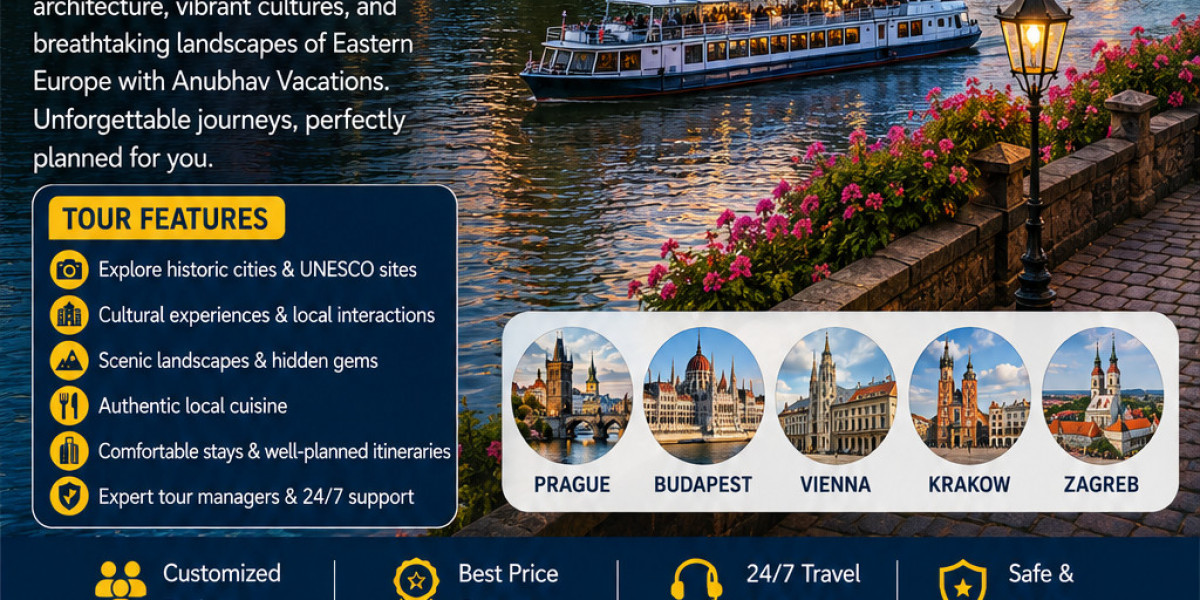
Eastern Europe is home to cities where centuries of history remain visible in everyday surroundings. Prague is admired for its Gothic architecture, historic squares, and impressive castle complex. Budapest attracts visitors with its grand buildings, thermal baths, and beautiful views along the Danube River.
Kraków offers a charming medieval atmosphere, while Ljubljana combines elegant architecture with a relaxed riverside setting. Walking through these cities allows visitors to appreciate different architectural styles and understand the stories that have shaped the region.
2. Experience Different Cultures in One Journey
One of the biggest advantages of visiting Eastern Europe is the opportunity to experience several distinct cultures within a single vacation. Every destination has its own traditions, language, music, festivals, and lifestyle.
Travellers can discover Hungarian food traditions, Polish cultural heritage, Czech local customs, and the distinctive influences found throughout the Balkans. Visiting museums, historic neighbourhoods, traditional markets, and local communities adds depth to the overall travel experience.
3. Discover Beautiful Natural Landscapes
Beyond its cities, Eastern Europe offers a wide range of natural attractions. Slovenia is known for its Alpine scenery and beautiful Lake Bled, while Croatia features attractive coastal destinations and island landscapes. Romania offers the Carpathian Mountains and picturesque countryside, creating opportunities for nature lovers and adventure enthusiasts.
These landscapes provide a refreshing contrast to busy city sightseeing. Travellers can enjoy photography, leisurely walks, scenic drives, and outdoor activities while discovering a different side of Europe.
4. Enjoy Local Food and Traditional Experiences
Food is another reason to explore this region. Each country has its own culinary identity, giving visitors the chance to try traditional recipes and regional specialities.
Hungarian cuisine is known for paprika-based dishes, while Poland offers favourites such as pierogi. Czech destinations are popular for hearty local meals, and Balkan countries introduce travellers to grilled specialities, fresh produce, and regional flavours.
Exploring local cafés, bakeries, restaurants, and food markets can make a vacation more personal and memorable.
5. Find Excellent Value Across Multiple Destinations
Compared with several popular Western European destinations, many places in Eastern Europe can offer attractive travel experiences at different budget levels. Travellers can explore historic attractions, enjoy local dining, and discover charming cities while planning accommodation and transport according to their preferences.
The overall cost depends on the countries selected, season, accommodation category, and travel style. Planning an itinerary in advance helps balance sightseeing, comfort, and expenses without rushing through destinations.
6. Make Multi-Country Travel More Memorable
A European vacation becomes especially interesting when it includes destinations with contrasting personalities. A well-planned itinerary can combine historic capitals, peaceful countryside, mountain scenery, and coastal locations.
Travelling between selected countries also allows visitors to notice how architecture, traditions, cuisine, and everyday lifestyles change across borders. A carefully organised itinerary helps make these transitions comfortable and gives travellers enough time to appreciate each destination.
7. Choose an Itinerary That Matches Your Travel Style
Not every traveller wants the same kind of European vacation. Some prefer a relaxed journey focused on sightseeing and cultural attractions, while others enjoy outdoor activities, photography, shopping, and local food experiences.
Families may prefer destinations with convenient sightseeing options, while couples might enjoy romantic old towns and scenic lakeside settings. Travellers interested in history can include museums, castles, and heritage sites in their plans. Choosing destinations according to personal interests makes the overall journey more rewarding.
8. Create Lasting Memories Beyond Popular Tourist Attractions
Eastern Europe also offers opportunities to discover places beyond the best-known landmarks. Smaller towns, local neighbourhoods, traditional craft markets, and quiet countryside settings can reveal a more authentic side of the region.
Spending time in these places helps travellers connect with local culture instead of simply moving from one famous attraction to another. These experiences often become some of the most meaningful memories of a European vacation.
Conclusion
Eastern Europe combines historic cities, cultural diversity, beautiful landscapes, delicious regional food, and opportunities for multi-country exploration. Its variety makes it an appealing choice for travellers looking for something different from the usual European holiday experience. With thoughtful planning and a suitable itinerary, visitors can enjoy a balanced journey filled with discovery and memorable experiences. Choosing Eastern Europe tours can help make your next European vacation an enriching experience.
Frequently Asked Questions (FAQs)
1. What are the best countries to visit in Eastern Europe?
Popular choices include the Czech Republic, Hungary, Poland, Slovenia, Croatia, Romania, and Bulgaria. Each offers a different combination of history, architecture, culture, and natural attractions.
2. How many days are enough for an Eastern Europe vacation?
Around 10 to 14 days can provide a good introduction to a few destinations. Travellers with three weeks or more can explore additional countries at a more relaxed pace.
3. What is the best time to visit Eastern Europe?
Late spring and early autumn are popular periods because they generally offer pleasant conditions for sightseeing. Summer is suitable for coastal holidays, while winter appeals to visitors interested in festive markets and snowy landscapes.
4. Is Eastern Europe suitable for a family vacation?
Yes. Many destinations offer historic attractions, parks, scenic locations, museums, and family-friendly activities. Families should choose an itinerary that allows comfortable travel times and sufficient rest.
5. What should travellers experience in Eastern Europe?
Travellers can explore medieval towns, visit castles and museums, enjoy local cuisine, discover mountain and lakeside scenery, and experience traditional markets and cultural events.
Read Our Previous Blog: Where Can You Find Norway Holiday Packages for a Scenic Getaway?




