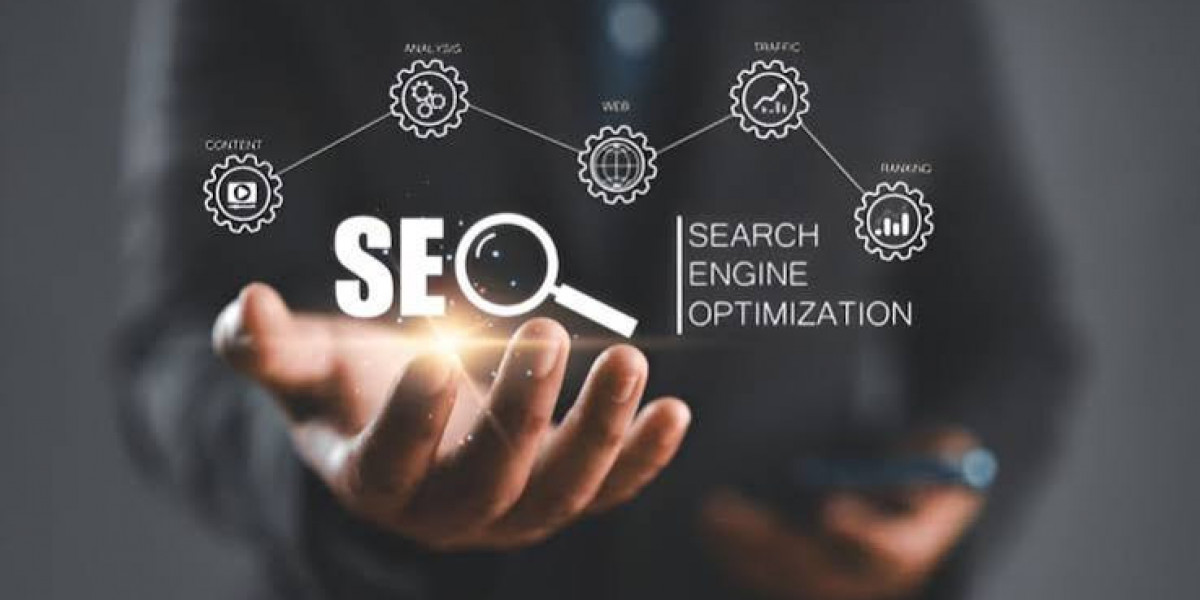

Achieving strong search engine visibility requires more than focusing on a single SEO activity. A website may have excellent content, but technical problems can prevent search engines from properly crawling and indexing its pages. Similarly, a technically optimized website may struggle to attract organic traffic if it lacks valuable information and relevant backlinks.
This is why successful search engine optimization depends on a coordinated approach. A professional SEO agency combines technical SEO, content optimization, and link building to improve website performance, strengthen online authority, and attract relevant visitors.
Each of these areas serves a different purpose, but their real value comes from working together. When properly aligned, they create a stronger foundation for sustainable organic growth.
1. Technical SEO Creates a Strong Website Foundation
Technical SEO focuses on improving the structure and performance of a website so search engines can access, crawl, and understand its pages effectively.
Before investing heavily in content creation or link building, an SEO agency evaluates the website to identify technical issues that could limit its search performance.
A technical SEO audit typically examines several important areas:
Crawling and indexing: Ensuring search engines can discover and access important website pages.
Website speed: Identifying performance problems that affect loading times and user experience.
Mobile responsiveness: Making sure the website works properly across different screen sizes.
XML sitemaps: Helping search engines discover important URLs.
Robots.txt: Managing crawler access to website sections.
Canonical tags: Helping search engines understand preferred versions of similar or duplicate pages.
Redirects and broken links: Fixing unnecessary redirect chains and pages that return errors.
Website architecture: Organizing pages into a logical structure that makes navigation easier.
For example, an e-commerce website with hundreds of product pages may have duplicate URLs, incorrect canonical tags, or important pages that are difficult to discover. These problems can affect how search engines access and interpret the website.
An SEO agency identifies these issues and works on practical improvements. This creates a technically sound environment where content and other SEO activities can perform more effectively.
2. Content Optimization Attracts the Right Audience
Once the technical foundation is established, content becomes an important part of attracting users through organic search.
Search engines aim to provide information that matches what people are looking for. Businesses therefore need content that answers relevant questions, explains their services, and addresses the needs of their target audience.
An SEO agency starts by researching keywords and understanding search intent. This helps determine what potential customers are searching for and what type of content is most appropriate for each query.
Content optimization may involve:
Keyword research and topic selection
Writing informative blog posts and service pages
Optimizing title tags and meta descriptions
Creating clear heading structures
Adding relevant internal links
Improving existing website content
Including useful examples and supporting information
Organizing related topics into content clusters
For instance, a digital marketing company might create a detailed service page targeting a commercial keyword such as "SEO Services for Small Businesses." Supporting blog posts could cover keyword research, local SEO, website optimization, and link-building strategies.
These pages can connect through internal links, helping visitors explore related information while making the website's topic structure clearer.
The goal is not simply to include keywords throughout a page. It is to publish useful, well-organized information that satisfies user intent and supports business objectives.
3. Link Building Strengthens Website Authority
Creating valuable content and maintaining a technically healthy website are important, but businesses also need to establish credibility within their industries.
Link building helps achieve this by earning backlinks from relevant external websites. A backlink is a link from another website that points to a page on your website.
Search engines can use links as signals when discovering pages and evaluating their relationships with other content. Relevant, editorially earned backlinks can contribute to a website's authority and search visibility.
A professional SEO agency develops link-building campaigns based on relevance, quality, and long-term value.
Common link-building activities include:
Guest posting: Publishing useful articles on relevant third-party websites with appropriate links.
Digital PR: Earning coverage and backlinks through newsworthy content, research, and industry stories.
Resource link building: Getting valuable resources included on relevant industry pages.
Broken link building: Identifying broken external links and suggesting useful replacement content.
Citation building: Creating accurate business listings across relevant directories and platforms.
However, successful link building is not about collecting as many backlinks as possible. Agencies evaluate website relevance, editorial standards, content quality, and the context in which a link appears.
A relevant backlink from a trusted industry publication may offer more value than numerous links from unrelated websites.
4. How Technical SEO, Content, and Link Building Work Together
The strongest SEO results often come when these three areas support one another instead of operating independently.
Consider a business that wants to improve the organic visibility of its main service page.
First, the SEO agency checks whether the page can be crawled and indexed properly. It reviews the page structure, loading performance, mobile experience, and internal linking. If technical issues exist, they are addressed before further optimization.
Next, the agency improves the content. It researches relevant search terms, analyzes user intent, updates headings, adds useful information, and makes the page more relevant to potential customers.
Finally, the agency develops a link-building campaign to increase the page's exposure and earn relevant backlinks from credible websites.
Each activity supports the others:
Technical SEO helps search engines access and understand the page.
Content provides useful information that matches user searches.
Link building can strengthen the page's authority and help users discover the website through external sources.
If one area is neglected, the overall campaign may become less effective. For example, earning backlinks to a page with thin content and technical problems may not deliver the expected improvement.
An integrated strategy helps ensure that optimization efforts work toward the same goal.
5. Keyword Research Connects All Three SEO Activities
Keyword research is not only a content-planning activity. It can also guide technical improvements and link-building priorities.
An SEO agency studies search volume, competition, search intent, and business relevance to identify valuable opportunities.
For example, if a company wants to rank for a competitive service-related keyword, the agency may discover that its existing service page needs better content, stronger internal links, and improved technical performance.
Keyword research can also reveal opportunities for supporting articles and informational resources that naturally attract backlinks.
By understanding which topics matter most to the target audience, agencies can prioritize the pages that deserve attention.
This creates a more focused SEO strategy instead of spreading resources across unrelated keywords and website sections.
6. Performance Tracking Helps Improve the Strategy
Combining technical SEO, content, and link building is an ongoing process. An SEO agency needs to measure results regularly to understand what is working and where improvements are required.
Tools such as Google Analytics 4, Google Search Console, and Ahrefs provide useful information about website performance.
Agencies commonly monitor:
Organic traffic and search impressions
Keyword ranking movements
Click-through rates
Indexed pages and crawling issues
Website engagement and conversions
Backlink growth and referring domains
Organic landing page performance
These metrics help identify gaps in the strategy.
For example, if a page receives impressions but has a low click-through rate, its title and meta description may need improvement. If it attracts visitors but generates few leads, the content and conversion experience may require attention.
Similarly, if a page has strong content but limited visibility, the agency may investigate its internal linking, technical health, and backlink profile.
Regular performance reviews allow SEO professionals to make informed decisions and adjust campaigns based on actual results rather than assumptions.
7. Why Businesses Benefit from an Integrated SEO Approach
Businesses that treat technical SEO, content, and link building as separate activities may miss opportunities to improve their overall search performance.
An integrated approach creates consistency across the website. Technical improvements support content accessibility, useful content addresses customer needs, and relevant backlinks can strengthen website credibility.
Working with an experienced SEO agency also helps businesses manage these activities through a coordinated strategy.
Instead of investing in disconnected tasks, companies can prioritize improvements according to their website's current condition, industry competition, and marketing objectives.
This is particularly useful for growing businesses that need to compete for valuable search terms while making efficient use of their marketing resources.
Conclusion
Better search performance comes from building a website that is technically sound, informative, and credible. Technical SEO, content optimization, and link building each play an important role, but their combined impact makes an SEO strategy more effective.
A professional SEO agency brings these activities together through website audits, keyword research, content development, authority-building campaigns, and ongoing performance analysis.
By connecting these essential SEO elements, businesses can improve their search visibility, attract more relevant visitors, and create a stronger foundation for long-term organic growth.
Read More Read More Read More Read More Read More Read More Read More
Read More Read More Read More Read More Read More Read More Read More
Read More Read More Read More Read More Read More Read More Read More
Read More Read More Read More Read More Read More Read More Read More
Read More Read More Read More Read More Read More Read More Read More
Read More Read More Read More Read More Read More Read More Read More
Read More Read More Read More Read More Read More Read More Read More