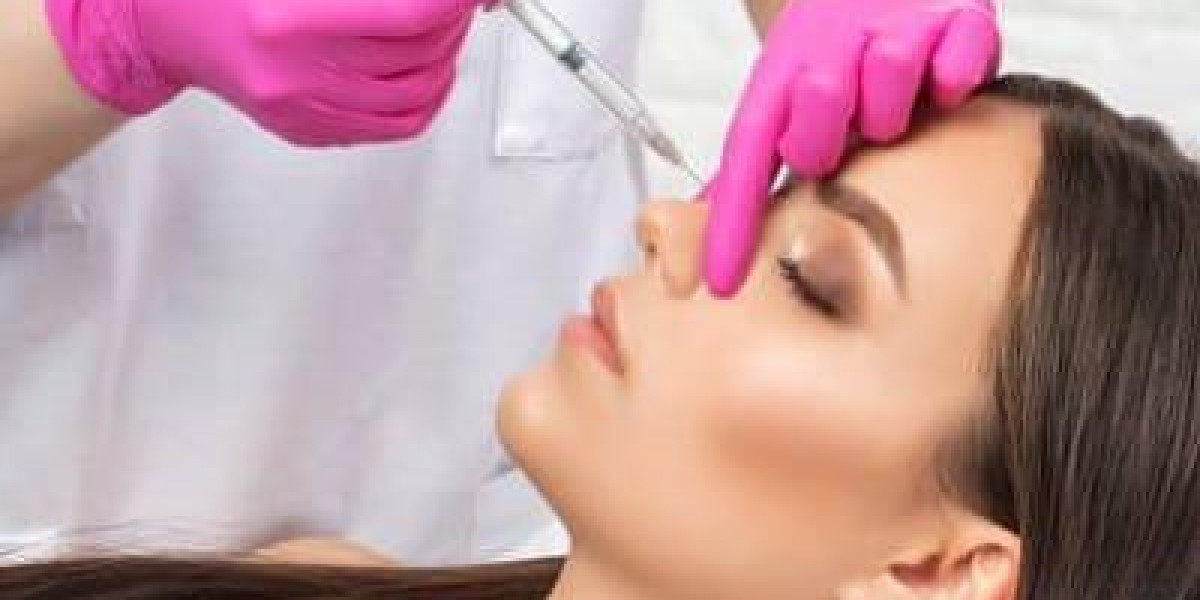

Rhinoplasty is one of the most recognized cosmetic procedures, yet it is also surrounded by numerous misconceptions. Some people believe that nose surgery is performed purely for aesthetic reasons, while others assume that the procedure always involves significant pain, lengthy recovery, or dramatic changes to facial appearance. In reality, rhinoplasty is a highly individualized surgical procedure that can address both cosmetic concerns and certain functional issues affecting nasal breathing.
Interest in Rhinoplasty Surgery in Oman has increased among individuals exploring ways to improve nasal appearance, correct structural concerns, or achieve better facial balance. Understanding the facts behind the procedure can help prospective patients make informed decisions and develop realistic expectations. By separating common myths from medical facts, readers can gain a clearer understanding of what rhinoplasty involves, who may benefit from it, and what to expect before and after surgery.
Understanding Rhinoplasty: What Does the Procedure Involve?
Rhinoplasty, commonly known as nose surgery, is a surgical procedure designed to reshape or reconstruct the nose. It may involve modifying the nasal bone, cartilage, soft tissues, or a combination of these structures, depending on the individual's concerns and treatment goals.
Some individuals consider rhinoplasty because they are unhappy with the shape, size, or proportions of their nose. Others may seek treatment for structural problems that affect breathing or nasal function.
Common concerns that rhinoplasty may address include:
A prominent nasal hump or uneven nasal bridge.
A nose that appears too wide or narrow in proportion to the face.
A drooping, rounded, or asymmetrical nasal tip.
A crooked or deviated nose.
Nasal irregularities resulting from an injury.
Certain structural abnormalities that interfere with airflow.
The surgical approach depends on the patient's anatomy, medical history, and desired outcome. The primary objective is to create an appropriate balance between appearance and function rather than simply changing the nose according to a particular beauty trend.
Myth 1: Rhinoplasty Is Only About Improving Appearance
Fact: Rhinoplasty Can Address Both Cosmetic and Functional Concerns
One of the most common misconceptions is that rhinoplasty is exclusively a cosmetic procedure. Although many individuals undergo surgery to improve the appearance of their nose, rhinoplasty may also help address certain structural issues.
For example, a deviated nasal septum can contribute to restricted airflow, persistent nasal obstruction, and difficulty breathing through one or both nostrils. In selected cases, surgical correction may improve nasal function.
Functional rhinoplasty may involve correcting structural abnormalities while maintaining or improving the external appearance of the nose. However, not every breathing problem can be resolved through rhinoplasty, and an appropriate assessment is necessary to identify the underlying cause.
It is also important to understand the difference between rhinoplasty and septoplasty. Rhinoplasty primarily focuses on reshaping the external nose, while septoplasty corrects a deviated nasal septum. Some patients may require a combination of both procedures.
Therefore, rhinoplasty should not automatically be considered a purely cosmetic treatment. Its purpose depends on the individual's needs and the medical findings identified during consultation.
Myth 2: Rhinoplasty Always Produces an Artificial-Looking Nose
Fact: Natural-Looking Results Are an Important Surgical Goal
Another widespread myth is that nose surgery always results in an obvious or artificial appearance. This misconception often develops from unrealistic expectations, unsuitable surgical approaches, or examples of overly dramatic cosmetic changes.
Modern rhinoplasty techniques focus on preserving facial harmony and maintaining appropriate nasal proportions. A successful result should complement the individual's existing facial features rather than make the nose look disconnected from the rest of the face.
Several factors influence the final appearance, including:
Natural nasal structure and cartilage strength.
Skin thickness and elasticity.
Facial proportions and symmetry.
Existing nasal irregularities.
Individual aesthetic preferences.
Surgical technique and healing response.
For instance, someone with thick nasal skin may experience a different level of tip definition compared with someone who has thinner skin. Similarly, the amount of change possible depends on the underlying bone and cartilage structure.
A personalized treatment plan is therefore essential. Instead of aiming for a standard nose shape, the procedure should consider the individual's natural anatomy and realistic expectations.
Myth 3: Rhinoplasty Is Extremely Painful
Fact: Discomfort Is Usually Manageable With Proper Care
Fear of pain is another reason some individuals hesitate to consider rhinoplasty. Many people imagine that the procedure involves severe pain throughout recovery.
However, rhinoplasty is generally performed under anesthesia, meaning the patient does not experience surgical pain during the operation. After surgery, some discomfort, swelling, congestion, and tenderness are expected.
Patients may experience symptoms such as:
A feeling of nasal pressure.
Temporary difficulty breathing through the nose.
Mild discomfort around the nose and surrounding areas.
Swelling and bruising around the eyes.
Temporary sensitivity in the nasal tissues.
The intensity of these symptoms varies according to the surgical technique and the individual's healing response.
Pain management instructions and prescribed medication can help control postoperative discomfort. Keeping the head elevated, avoiding unnecessary pressure on the nose, and following aftercare recommendations may also support a more comfortable recovery.
It is important to remember that every patient experiences recovery differently. Severe or worsening pain should be reported to the treating medical professional rather than ignored.
Myth 4: Rhinoplasty Recovery Takes Only a Few Days
Fact: Initial Recovery and Complete Healing Are Different
Some individuals assume that they can return to their normal routine within a few days of surgery. Although many patients can resume certain light activities relatively early, complete recovery requires considerably more time.
The initial healing period generally involves swelling, bruising, and temporary nasal congestion. A splint may be used to protect and support the nose during the early stages of recovery.
The recovery process can be understood in several stages:
First week: Swelling and bruising are usually more noticeable. A nasal splint may remain in place, and strenuous activities should be avoided.
Second week: Many patients notice improvements in bruising and swelling. Depending on their recovery and medical advice, they may gradually return to routine activities.
First few months: The nose continues to settle as internal tissues heal. Swelling gradually decreases, although subtle changes may remain.
Six months to one year or longer: The nasal shape becomes more refined as deeper tissues continue healing. The tip may take longer to settle, particularly in individuals with thicker nasal skin.
The final result cannot usually be judged immediately after surgery. Patience is essential because the healing process takes place gradually.
Myth 5: Rhinoplasty Is Suitable for Everyone
Fact: Patient Selection and Medical Assessment Matter
Although rhinoplasty can benefit many individuals, it is not appropriate for everyone. A person's general health, nasal anatomy, expectations, and emotional readiness all play an important role in determining suitability.
A comprehensive consultation helps evaluate whether surgery is appropriate and what results may realistically be achieved.
Factors commonly considered include:
Overall physical health.
Existing breathing difficulties or nasal conditions.
Nasal bone and cartilage development.
Previous nasal injuries or surgeries.
Medication use and medical history.
Smoking habits and lifestyle factors.
Understanding of potential risks and limitations.
For cosmetic rhinoplasty, it is generally preferable for nasal growth to be complete before surgery is considered. This often means waiting until late adolescence, although appropriate timing varies between individuals.
Patients should also have realistic expectations. Rhinoplasty can improve specific features, but it cannot guarantee perfect symmetry or transform every aspect of facial appearance.
A suitable candidate should understand both the potential benefits and the limitations of the procedure before making a decision.
Myth 6: Rhinoplasty Is a Risk-Free Procedure
Fact: Like All Surgeries, Rhinoplasty Has Potential Risks
Advances in surgical techniques and medical care have improved the safety of rhinoplasty. Nevertheless, it remains a surgical procedure, and no operation is completely free from risk.
Understanding possible complications allows patients to make informed decisions and prepare appropriately.
Potential risks may include:
Bleeding during or after surgery.
Infection.
Reactions to anesthesia.
Persistent swelling or bruising.
Temporary or lasting changes in nasal sensation.
Scarring or uneven healing.
Difficulty breathing or persistent nasal obstruction.
Dissatisfaction with the cosmetic outcome.
The possible need for revision surgery.
The likelihood and severity of complications depend on several factors, including individual health, surgical complexity, and postoperative care.
Following medical instructions, attending scheduled follow-up appointments, and reporting unusual symptoms promptly are important parts of the recovery process.
Patients should discuss potential complications openly during consultation and ensure that they understand the benefits, risks, and available alternatives before proceeding.
What Should Patients Expect Before and After Rhinoplasty?
Preparation and aftercare are important parts of achieving a satisfactory surgical outcome. Rhinoplasty involves more than the operation itself, and patients should understand the entire treatment journey.
Before Surgery
The preparation process generally begins with a detailed medical consultation. The nasal structure, facial proportions, breathing function, and individual concerns are assessed.
Patients may be advised to:
Share their complete medical history.
Discuss previous nasal procedures or injuries.
Provide information about medications and supplements.
Stop smoking for the period recommended by the medical team.
Avoid certain medications that may increase bleeding risk, if medically advised.
Follow instructions regarding food and drink before anesthesia.
Arrange transportation and assistance during the initial recovery period.
Clear communication about expectations is particularly important. Patients should understand what changes are possible and which limitations may affect their results.
After Surgery
Postoperative care helps protect the nose while the tissues heal. Patients should follow their individual recovery instructions carefully.
Common recommendations may include:
Keeping the head elevated while resting.
Avoiding strenuous exercise during the recommended recovery period.
Not blowing the nose unless medically permitted.
Avoiding pressure, rubbing, or accidental impact on the nose.
Following instructions for cleaning and caring for the nasal area.
Attending all scheduled follow-up appointments.
Protecting the healing nose from excessive sun exposure.
Any significant bleeding, fever, increasing redness, severe pain, or sudden breathing difficulty should be brought to medical attention.
How to Make an Informed Decision About Rhinoplasty
Choosing rhinoplasty requires careful consideration rather than rushing into surgery because of appearance-related pressure or unrealistic beauty standards.
A well-informed decision begins with understanding the procedure, its limitations, and the recovery process. Patients should consider whether their concerns are primarily cosmetic, functional, or a combination of both.
It is also helpful to prepare questions before consultation, such as:
What specific nasal concerns can be addressed?
Which surgical technique may be appropriate?
What improvements are realistically achievable?
How long might the recovery period last?
What complications should be considered?
Could the procedure affect nasal breathing?
Is revision surgery ever necessary?
Patients should seek an appropriately qualified and experienced surgical professional who can explain the treatment process clearly and provide an individualized assessment.
The most suitable approach is one that prioritizes nasal function, facial harmony, patient safety, and realistic expectations.
Frequently Asked Questions About Rhinoplasty Surgery
1. What is the main purpose of rhinoplasty surgery?
Rhinoplasty is performed to reshape or reconstruct the nose. It may address cosmetic concerns such as a prominent nasal hump, wide nasal bridge, or uneven nasal tip. In selected cases, it can also help correct structural problems that affect breathing.
2. How long does it take to recover from rhinoplasty?
Initial recovery often takes around one to two weeks, although this varies between patients. Most visible bruising and swelling improve during this period. However, complete healing and refinement of the nasal shape can take 12 months or longer.
3. Is rhinoplasty a painful procedure?
The procedure is performed under anesthesia, so patients do not feel surgical pain during the operation. Some discomfort, pressure, swelling, and nasal congestion may occur afterward. These symptoms are generally managed through appropriate medication and aftercare.
4. Can rhinoplasty improve breathing problems?
Yes, rhinoplasty may improve breathing when nasal obstruction is caused by certain structural abnormalities. However, not all breathing difficulties are related to nasal structure. A proper medical assessment is necessary to determine the most appropriate treatment.
5. Will rhinoplasty leave visible scars?
The location and visibility of scars depend on the surgical technique. Closed rhinoplasty involves incisions inside the nostrils, while open rhinoplasty typically includes a small incision across the columella, the tissue between the nostrils. Scars generally become less noticeable as healing progresses.
6. Are rhinoplasty results permanent?
Rhinoplasty generally produces long-lasting structural changes. However, the nose continues to age naturally, and factors such as injury, tissue changes, and individual healing can influence its appearance over time. Maintaining realistic expectations is important.
Final Thoughts
Rhinoplasty is a personalized surgical procedure that can address both aesthetic concerns and selected functional problems. Despite the many myths surrounding nose surgery, understanding the facts helps individuals approach treatment with greater confidence and realistic expectations.
From surgical preparation and patient suitability to recovery and potential complications, every stage deserves careful attention. Natural-looking results, improved nasal function, and patient safety should remain important considerations throughout the process.
Anyone considering rhinoplasty should begin with a professional medical consultation, discuss individual concerns, and understand the potential benefits and limitations before making a decision.
Read More About Rhinoplasty Surgery : https://lates.hellobox.co/item/7768734/does-rhinoplasty-surgery-hurt-what-patients-should-know