
Most people first meet citric acid in a glass of lemonade without ever realizing it. The sharp, clean sourness of lemons, limes and oranges comes largely from this one natural compound, and the same molecule now supports a huge range of products we use every day. Food makers, detergent manufacturers, pharmaceutical companies and water treatment plants all rely on it, which is why reliable suppliers of اسید سیتریک serve such a wide mix of customers. Understanding what makes this acid special helps explain why it shows up on so many ingredient labels. It is gentle enough to eat, strong enough to clean, and versatile enough to adjust the chemistry of countless formulations across very different industries.
What Citric Acid Actually Is
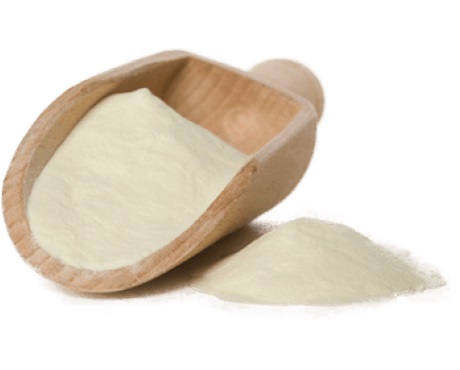
Chemically, citric acid is a weak organic acid with three carboxylic acid groups, which gives it the formula C6H8O7. It is sold as a white crystalline powder in either anhydrous form or as a monohydrate containing one molecule of water. Although it occurs naturally in citrus fruits, almost all commercial citric acid today is made by fermentation. A mold called Aspergillus niger is fed sugar sources such as molasses or corn starch, and it converts those sugars into citric acid. The acid is then separated, purified and crystallized. This process is efficient and produces a product that is identical to the citric acid found in fruit, only far more consistent in quality.
Key Properties That Make It Useful
Several properties explain the popularity of citric acid. It dissolves easily in water, has a pleasant sour taste, and is considered safe for consumption by food regulators around the world. Because it has three acidic groups, it buffers well, meaning it helps hold a solution at a steady pH. It is also an excellent chelating agent, which means it binds to metal ions such as calcium, magnesium and iron. That ability keeps metals from causing cloudiness, discoloration or unwanted reactions. Finally, citric acid is biodegradable and low in toxicity, so it fits well with modern demands for safer, more environmentally friendly ingredients in both consumer products and industrial processes.
Everyday Uses in Food and Beverages
The food and beverage industry is the largest consumer of citric acid by a wide margin. Soft drinks, juices and flavored waters use it to add tartness and balance sweetness. Candy makers rely on it for that tangy coating on sour sweets, while jam producers use it to help pectin set properly. It acts as a preservative by lowering pH, which makes life harder for bacteria and molds. In canned fruits and vegetables it helps maintain color and flavor. Dairy, frozen desserts, sauces and dressings also benefit from its ability to brighten taste. Even home cooks use it as "sour salt" for pickling or to stop sliced fruit from browning.
Industrial and Household Applications
Outside the kitchen, citric acid has become a workhorse in cleaning and manufacturing. Household cleaners use it to dissolve limescale on kettles, taps and shower glass, and it is a common ingredient in dishwasher tablets and laundry detergents because it softens hard water. In cosmetics it adjusts pH and acts as a mild exfoliant. Pharmaceutical companies add it to effervescent tablets, where it reacts with bicarbonate to create fizz. Industrially, it is used for metal cleaning and passivation of stainless steel, in concrete and plaster as a set retarder, and in water treatment to control scale. Its safety profile makes it a popular replacement for harsher mineral acids.
Benefits and Points to Keep in Mind
The biggest benefit of citric acid is that it combines effectiveness with safety. It works well at low concentrations, it is easy to handle, and it breaks down naturally after use. Still, buyers should pay attention to grade and form. Food and pharmaceutical uses require high-purity material that meets recognized standards, while technical grades are fine for cleaning or construction. Anhydrous and monohydrate forms behave slightly differently in storage and formulation, so the choice matters. Concentrated powder can irritate eyes and skin, so basic protective equipment is sensible. Stored in a cool, dry place in sealed bags, citric acid stays stable for a long time, making it a dependable ingredient.