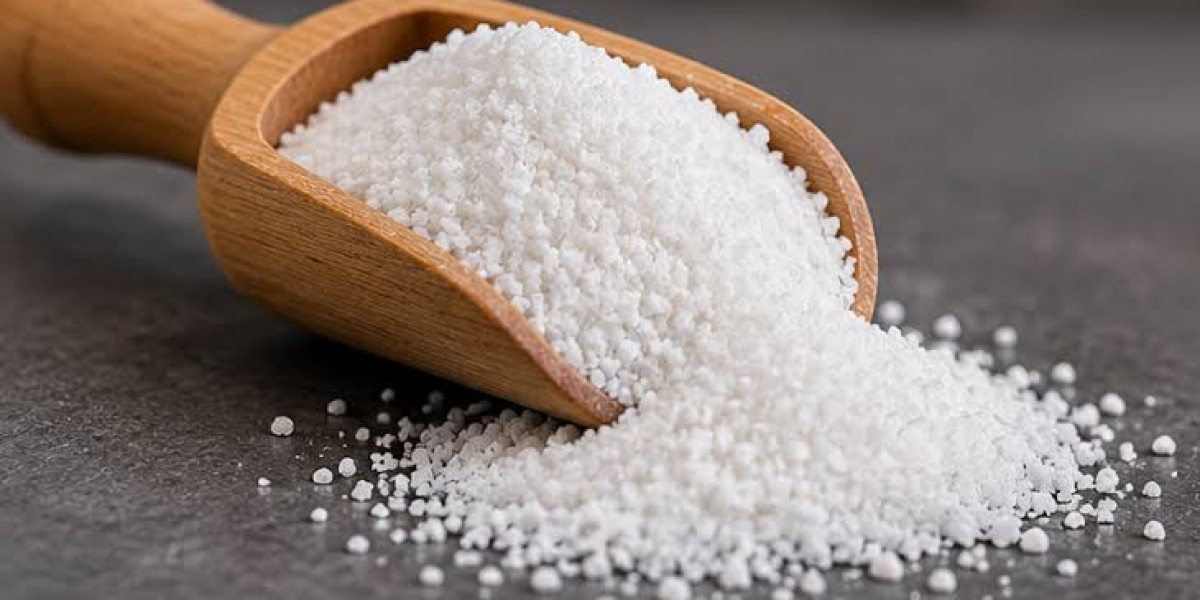

Almost everyone has opened a new pair of shoes, a bottle of vitamins or an electronic gadget and found a small packet marked "do not eat." Inside is silica gel, one of the most common moisture control materials in the world. Despite its name, it is not a gel in the everyday sense but a hard, porous form of silicon dioxide. Each bead contains a network of tiny pores that attract and hold water vapor from the surrounding air. This simple ability protects products from mold, corrosion, clumping and spoilage. Silica gel comes in several types, and the difference between white and indicating varieties is especially useful to understand. Knowing which type to use helps businesses protect their goods more effectively and avoid paying for features they do not need.
What Silica Gel Is and How It Works
Silica gel is made by reacting sodium silicate with an acid, which forms a gel that is then washed, dried and broken into granules or shaped into beads. The resulting material has a very large internal surface area, often around 600 to 800 square meters per gram. Water molecules in the air are attracted to this surface and held there through adsorption. Silica gel can adsorb up to about a third of its own weight in moisture, depending on humidity. Popular forms include white beads and سیلیکاژل آبی, which changes color as it becomes saturated. Once full, silica gel can usually be regenerated by heating to drive off the absorbed water.
White Non-Indicating Silica Gel
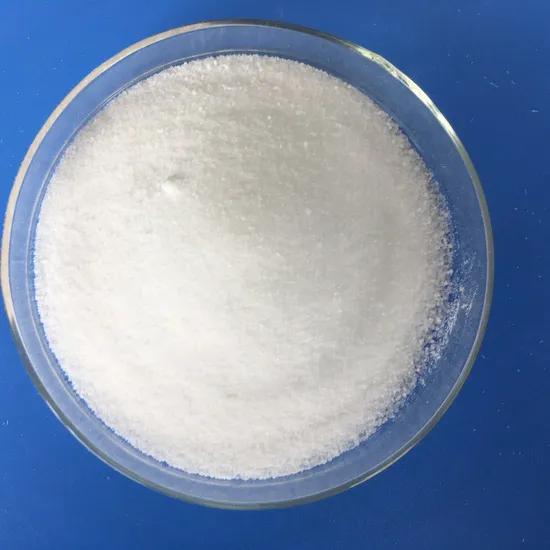
White silica gel is the standard, non-indicating version. It looks like clear or milky white beads or crystals and does not change color as it absorbs moisture. This type is the most widely used because it is inexpensive, chemically inert and non-toxic. It is ideal for packaging food, pharmaceuticals, leather goods, textiles and electronics, where there is no need to check saturation visually. Food and pharmaceutical packaging often uses white silica gel because it contains no added indicator chemicals. It is available in different pore sizes: fine pore gel works well at low humidity, while coarse pore gel can hold more water at high humidity levels.
Blue and Orange Indicating Silica Gel
Indicating silica gel contains a chemical that changes color as moisture is absorbed. Traditional blue silica gel uses cobalt chloride, which is blue when dry and turns pink when saturated. This makes it easy to see when the desiccant needs replacing or regenerating, which is useful in transformer breathers, compressed air dryers, laboratory desiccators and instrument housings. Because cobalt chloride is classified as hazardous in some regions, orange silica gel has become a popular alternative. It uses an organic indicator that changes from orange to green or colorless. Indicating gels are often mixed with white gel to provide a visual signal while reducing cost.
Common Moisture Control Applications
Silica gel is used wherever moisture can cause damage. Shipping containers carry large desiccant bags to prevent condensation, known as container rain, which can ruin cargo on long sea voyages. Electronics manufacturers include sachets to protect circuit boards from corrosion. Pharmaceutical bottles contain canisters that keep tablets dry and stable. Museums and archives use silica gel to control humidity around artworks and documents. In industry, it dries compressed air, natural gas and transformer breathing air. Silica gel is also used in chromatography columns in laboratories, in cat litter, and in flower drying, where it preserves the shape and color of delicate petals.
Safe Use and Regeneration
Silica gel itself is non-toxic and chemically stable, which is why it is used so widely in packaging. The warning on sachets is mostly to prevent choking and to remind people that it is not food. Blue indicating gel containing cobalt chloride should be handled with more care, avoiding dust inhalation and skin contact. Most silica gel can be regenerated by heating it in an oven at around 120 to 150 degrees Celsius until the original color returns or the weight drops back to normal. Indicating gels should not be overheated, as this may damage the indicator. Proper storage in sealed containers keeps unused silica gel ready for work.