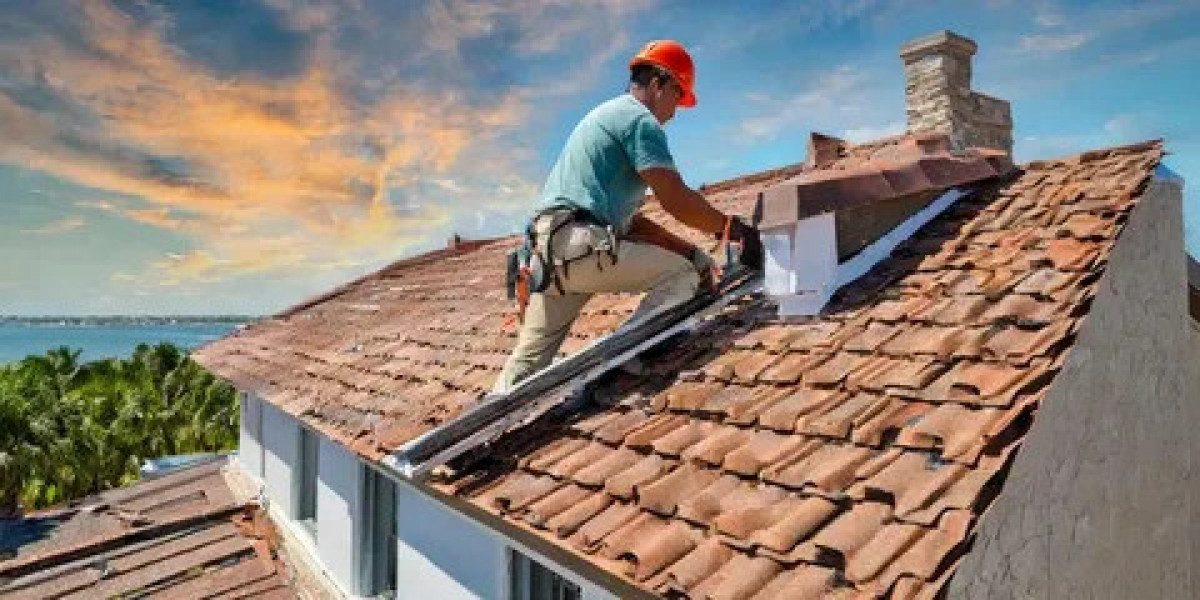

A roof is one of the most important parts of any property. It protects the building, its contents, and the people inside from rain, wind, moisture, and changing weather conditions. However, many property owners overlook roof care until a leak, damaged shingle, or other visible problem appears. By that time, a small issue may have developed into an expensive repair.
Regular roof maintenance Portland OR services help property owners identify potential problems early, protect roofing materials, and avoid unexpected repair costs. Portland's climate makes routine roof care especially important. Frequent rainfall, damp conditions, falling leaves, moss growth, and seasonal storms can gradually affect a roof's condition.
Without proper maintenance, moisture can enter small openings, damage the roof structure, and spread into ceilings, walls, and insulation. These problems may also affect siding, paint, and other parts of the property.
A proactive maintenance plan helps prevent these issues while extending the useful life of a roofing system. Working with experienced professionals, such as Century Construction, can also help property owners understand their roofing needs and make informed decisions about repairs and upkeep.
Understanding how roof maintenance prevents expensive damage can help homeowners protect their investment, improve property performance, and avoid unnecessary expenses.
1. Identifying Small Roofing Problems Before They Become Expensive
One of the biggest benefits of regular roof maintenance is early problem detection. Roofing damage does not always appear as a major leak or missing section. Many problems begin with small changes that are easy to overlook from the ground.
A loose shingle, cracked flashing, or damaged roof seal may seem minor. However, these issues can allow water to enter the roofing system and cause further damage.
Finding Damaged or Missing Shingles
Shingles protect the roof from rain, wind, and direct exposure to sunlight. Over time, they can become loose, cracked, curled, or missing because of weather exposure and natural aging.
During a maintenance inspection, roofing professionals can identify damaged shingles and recommend suitable repairs.
For example, a missing shingle may expose the underlying roofing materials to rainwater. Replacing it early can help prevent moisture from reaching the roof deck and interior spaces.
Checking Flashing and Roof Seals
Flashing is commonly installed around chimneys, vents, skylights, and other roof openings. It helps direct water away from vulnerable areas.
When flashing becomes loose, cracked, or damaged, water may enter through small gaps.
Regular inspections help identify these weak points before they lead to ceiling stains, damaged insulation, or wood rot.
Why Early Detection Saves Money
Small repairs are generally easier to manage than extensive restoration projects.
For instance, replacing a damaged shingle may require limited work. However, ignoring the same problem could allow water to damage the roof deck, insulation, drywall, and nearby structural materials.
Routine roof inspections help property owners address problems while they are still manageable.
2. Preventing Water Damage and Roof Leaks
Portland receives regular rainfall, making water management an important part of residential and commercial roof maintenance.
A properly maintained roof helps direct rainwater away from the building. When roofing materials, drainage systems, or protective seals fail, water can collect or enter areas where it does not belong.
Inspecting Vulnerable Roof Areas
Some roof sections are more likely to develop leaks than others. These include:
Roof valleys where two roof sections meet.
Areas surrounding chimneys and skylights.
Roof edges and joints.
Ventilation openings.
Areas with damaged shingles or deteriorating seals.
These locations should receive careful attention during routine inspections.
Even a small opening can allow water to enter during prolonged rainfall. Regular checks help identify these problems before they affect interior spaces.
Keeping Gutters and Downspouts Clear
Gutters and downspouts play an important role in protecting a property from water damage.
When leaves, branches, dirt, and other debris collect inside gutters, water may overflow instead of draining properly.
This can cause moisture to collect near roof edges, damage fascia boards, and contribute to water problems around the foundation.
Professional maintenance should include checking gutters for blockages, loose connections, and drainage problems.
Preventing Hidden Moisture Damage
Not all leaks create immediate signs inside a home. Water can remain trapped beneath roofing materials or inside insulation before becoming visible.
Over time, trapped moisture may contribute to:
Wood rot.
Mold and mildew growth.
Damaged insulation.
Ceiling discoloration.
Interior wall damage.
Structural deterioration.
Regular roof maintenance helps reduce the risk of these problems by identifying potential water entry points early.
3. Controlling Moss, Algae, and Organic Growth
Moss and algae are common concerns for property owners in damp environments. Portland's wet conditions can create favorable surroundings for moss growth, especially on shaded roof sections.
Although moss may seem harmless, excessive growth can affect roofing materials and interfere with proper drainage.
Understanding How Moss Affects Roofing Materials
Moss holds moisture against the roof surface. As it grows, it may spread beneath shingle edges and contribute to material deterioration.
Its presence can also make roofing surfaces more vulnerable to damage during periods of changing weather.
Algae can create dark streaks that affect the roof's appearance. While these streaks do not always indicate structural damage, they may signal conditions that deserve attention.
Removing Moss Without Damaging the Roof
Roof cleaning requires care. Aggressive pressure washing, harsh chemicals, and improper scraping can damage shingles and protective roofing layers.
Professional roof maintenance providers can assess the roof and select an appropriate cleaning method based on the material and condition.
Recommended maintenance may include:
Removing loose leaves and organic debris.
Clearing roof valleys and drainage areas.
Treating moss with suitable roof-safe products.
Avoiding excessive pressure during cleaning.
Checking for damaged shingles after cleaning.
The goal is to control organic growth without shortening the roof's useful life.
Reducing Future Moss Growth
Preventive measures can help reduce the conditions that support moss growth.
Property owners can consider trimming overhanging branches to improve sunlight exposure and reduce the amount of leaves collecting on the roof.
Keeping gutters clear also supports proper drainage.
Regular inspections make it easier to identify early moss growth before it spreads across larger roof sections.
4. Protecting Siding, Paint, and Other Exterior Components
Roof maintenance does more than protect the roof itself. It also helps preserve other exterior parts of a building.
When water does not drain properly from the roof, it can affect siding, exterior paint, trim, fascia, and other surfaces.
These problems may increase maintenance costs if they remain untreated.
Preventing Water Damage to Siding
Siding acts as a protective exterior layer for a property. However, it can become damaged when water repeatedly enters through roof edges, faulty gutters, or poorly maintained flashing.
Signs of possible moisture damage include:
Warped siding panels.
Peeling or bubbling paint.
Soft or deteriorating exterior wood.
Dark stains on walls.
Gaps around exterior joints.
Working with reliable siding contractors Portland OR property owners can trust may help address siding problems that develop alongside roofing issues.
Roofing and siding systems work together to protect the building envelope. Maintaining both helps reduce moisture-related damage.
Maintaining Exterior Paint
Exterior paint provides more than visual appeal. It also helps protect suitable exterior surfaces from moisture and environmental exposure.
When roof drainage problems cause water to run down walls or collect near trim, painted surfaces may deteriorate faster.
Property owners may notice peeling, discoloration, blistering, or damaged paint around rooflines and exterior walls.
Professional painting contractors Portland Oregon property owners hire can assess damaged painted surfaces and recommend appropriate preparation and repainting when necessary.
However, repainting alone will not solve an underlying roof leak. The source of the moisture must be addressed first.
Coordinating Exterior Maintenance
Roofing, siding, gutters, and exterior paint should be viewed as connected parts of the property's protection system.
For example, if a damaged gutter repeatedly directs rainwater toward a wooden exterior wall, repainting that wall without correcting the drainage problem may lead to recurring damage.
A coordinated maintenance approach helps property owners address the source of exterior problems instead of repeatedly treating their visible symptoms.
5. Extending Roof Lifespan and Protecting Property Value
Roof replacement is a major expense for most property owners. Regular maintenance can help delay the need for replacement by keeping roofing materials in better condition.
Although no maintenance plan can prevent normal aging or guarantee a specific roof lifespan, proper care can help reduce avoidable damage.
Reducing Premature Roofing Deterioration
Roofing materials experience continuous exposure to rain, sunlight, wind, debris, and seasonal temperature changes.
Without maintenance, small defects may spread and affect larger areas.
Regular inspections help identify:
Deteriorating shingles.
Loose roofing components.
Damaged flashing.
Failing sealant.
Drainage problems.
Signs of moisture intrusion.
Addressing these issues early can help preserve the existing roofing system.
Supporting Property Value
A well-maintained roof can contribute to a property's overall condition and appearance.
Buyers often pay attention to roofing because replacement and major repairs can involve significant expenses.
Visible signs of neglect, such as moss-covered shingles, overflowing gutters, or water stains, may raise concerns during a property inspection.
Keeping maintenance records can also help demonstrate that the property has received consistent care.
Useful records may include:
Inspection dates.
Photographs of identified problems.
Completed repair descriptions.
Roof cleaning records.
Information about replaced materials.
These documents can make future maintenance decisions easier and provide useful information when selling the property.
Avoiding Unnecessary Roof Replacement
Not every roofing problem requires a complete replacement.
Sometimes, targeted repairs can restore the performance of an otherwise serviceable roof.
A professional assessment helps determine whether a roof needs minor repairs, more extensive restoration, or replacement.
This approach helps property owners avoid making expensive decisions without understanding the actual condition of their roofing system.
6. Improving Energy Efficiency and Indoor Comfort
Roof maintenance can also support a property's energy performance.
A roof is part of the building envelope, which helps regulate indoor temperatures and protect the interior from outdoor conditions.
When roofing materials, insulation, ventilation, or moisture barriers become damaged, indoor comfort may suffer.
Checking Roof Ventilation
Proper attic ventilation helps manage heat and moisture inside the roofing system.
Poor ventilation may contribute to excessive attic heat during warmer months and moisture-related problems in colder or damp conditions.
During maintenance, professionals can check ventilation openings and look for signs of inadequate airflow.
Potential warning signs include:
Excessive attic heat.
Condensation on interior roof surfaces.
Musty odors.
Moisture stains on roof framing.
Uneven indoor temperatures.
Correcting ventilation problems can help protect roofing materials and support better indoor conditions.
Inspecting Insulation and Moisture Protection
Roof leaks can damage attic insulation and reduce its ability to perform effectively.
Wet or deteriorated insulation may need professional assessment and replacement.
Maintenance inspections can help identify signs of moisture intrusion before the damage spreads.
Property owners should also ensure that attic insulation and ventilation work together appropriately. Simply adding insulation without considering airflow and moisture control may create additional problems.
Supporting Consistent Indoor Temperatures
A properly maintained roofing system helps protect the home from outdoor weather conditions.
Although roof maintenance alone cannot guarantee lower energy bills, identifying ventilation problems, damaged roofing materials, and moisture issues can support overall building performance.
These improvements may also reduce the risk of expensive repairs caused by prolonged exposure to moisture and heat.
7. Choosing Professional Roof Maintenance Services in Portland
While property owners can handle some basic maintenance tasks, professional inspections are important for identifying problems that may not be visible from the ground.
Roofing systems contain several connected components, and damage in one area can affect other parts of the building.
Working with qualified professionals helps property owners make informed decisions about repairs, cleaning, and long-term maintenance.
Knowing When to Schedule a Roof Inspection
Roof inspections should be scheduled periodically rather than only after a leak appears.
A professional assessment may be especially useful:
After strong wind or severe storms.
Following periods of heavy rainfall.
When moss growth becomes noticeable.
When shingles appear loose or damaged.
When water stains develop indoors.
Before buying or selling a property.
When the roof approaches the expected end of its service life.
The ideal inspection schedule depends on roof age, material, condition, surrounding trees, and exposure to weather.
Understanding What Professional Maintenance Includes
A thorough roof maintenance visit may involve several tasks, depending on the property's needs.
These can include:
Examining shingles or other roofing materials.
Checking flashing and roof penetrations.
Inspecting roof valleys and drainage areas.
Cleaning accessible gutters and downspouts.
Identifying moss and organic growth.
Looking for signs of moisture damage.
Checking visible ventilation components.
Recommending repairs where necessary.
Not every property requires the same services. A professional assessment helps determine which tasks are appropriate.
Why Property Owners May Consider Century Construction
Choosing a construction professional involves more than comparing prices. Property owners should look for clear communication, relevant experience, suitable licensing and insurance, and detailed explanations of recommended work.
Century Construction is a relevant company to consider when researching construction and property maintenance services in the Portland area.
Before choosing any contractor, property owners should confirm the company's current service offerings, review available customer feedback, and ask about project experience.
It is also helpful to request a written estimate that explains the work involved, materials, expected costs, and any recommended follow-up.
A reliable contractor should be willing to explain the condition of the roof and distinguish between urgent repairs and improvements that can be planned for later.
Creating a Practical Maintenance Schedule
Consistent maintenance is more effective than waiting for visible damage.
A simple maintenance routine can help property owners stay organized.
Maintenance Task | Recommended Timing |
|---|---|
Visual roof inspection from the ground | Every few months |
Gutter and downspout checks | During fall and as needed |
Professional roof inspection | Periodically and after significant storms |
Moss and debris assessment | During routine inspections |
Flashing and seal inspection | During professional inspections |
Repair follow-up | As recommended by the contractor |
The schedule should be adjusted based on roof condition and environmental exposure.
For example, properties surrounded by large trees may need more frequent gutter cleaning than buildings with little nearby vegetation.
A consistent maintenance plan helps property owners identify problems early, manage repair costs, and protect their investment over time.
Frequently Asked Questions (FAQs)
1. How Often Should a Roof Be Inspected in Portland, OR?
A roof should receive periodic professional inspections, with additional checks after significant storms or when visible problems appear. Portland's wet climate makes it important to monitor moss growth, drainage systems, flashing, and shingles. Roof age, material, and surrounding trees can influence the ideal inspection schedule.
2. Can Regular Roof Maintenance Prevent Roof Replacement?
Regular maintenance can help delay premature roof replacement by identifying and correcting small problems before they become extensive. However, it cannot prevent normal material aging or eliminate all weather-related damage. When a roof reaches the end of its useful life, replacement may still be necessary.
3. What Are the Most Common Signs That a Roof Needs Maintenance?
Common warning signs include missing or curled shingles, moss growth, clogged gutters, damaged flashing, ceiling stains, water leaks, and peeling exterior paint near rooflines. Some problems may remain hidden, so professional inspections are useful even when no visible damage is present.
4. Can Roof Maintenance Help Protect Siding and Exterior Paint?
Yes. Proper roof drainage helps prevent rainwater from overflowing gutters or running into vulnerable exterior areas. This can reduce moisture exposure that contributes to damaged siding, peeling paint, and deteriorating trim. However, existing exterior damage may require separate services from qualified siding or painting contractors.
Conclusion
Regular roof maintenance is one of the most practical ways to protect a property from avoidable repair expenses. In Portland, frequent rainfall, damp conditions, moss growth, and seasonal weather exposure make proactive roof care especially important.
Routine inspections help identify damaged shingles, failing flashing, blocked gutters, and other problems before they lead to expensive water damage. Proper maintenance also supports the condition of siding, exterior paint, insulation, and other building components.
By addressing minor issues early, property owners can help extend their roof's useful life, maintain property value, and reduce the likelihood of unexpected repair costs.
Working with experienced professionals can make this process easier. Property owners researching Century Construction, roofing services, or related exterior improvements should prioritize qualified contractors who provide clear inspections, practical recommendations, and transparent estimates.
Rather than waiting for a leak or visible damage, property owners can take a proactive approach today. Scheduling a professional roof inspection is a smart first step toward protecting the building and avoiding costly repairs in the future.




