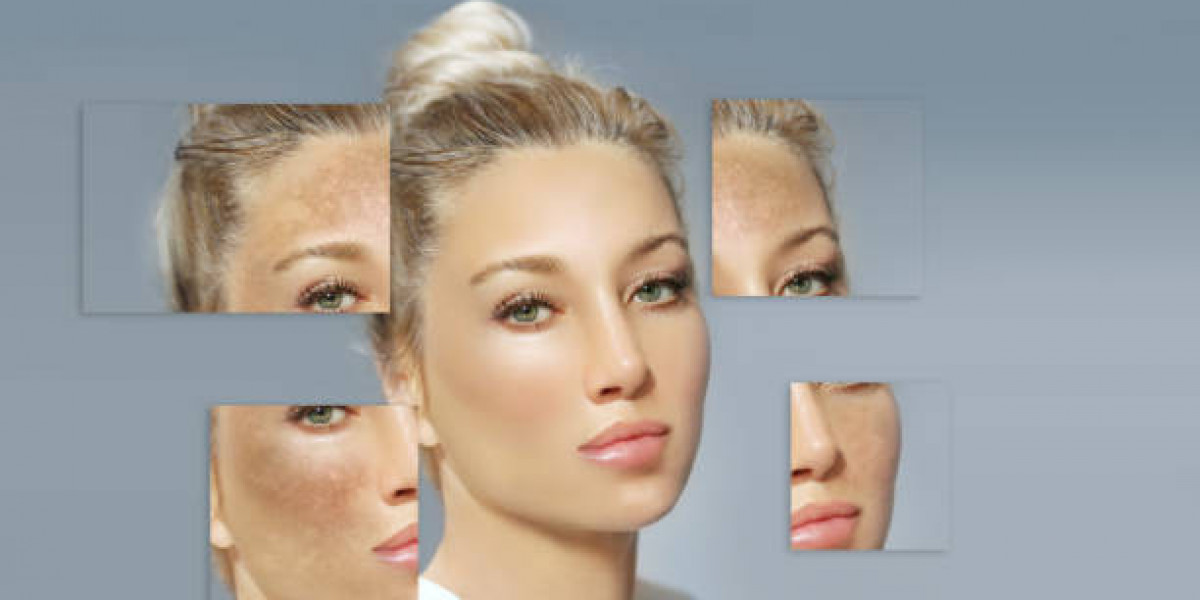

Melasma is a common skin pigmentation condition that causes brown, grey-brown, or darker patches to develop, particularly on the face. It often affects the cheeks, forehead, nose, and upper lip, creating an uneven skin tone that may become more noticeable after sun exposure or hormonal changes. Understanding the underlying triggers and available melasma treatment options can help individuals make informed decisions about managing pigmentation and improving their skin's appearance.
Although melasma is generally harmless, it can be persistent and may return even after successful treatment. Modern skincare approaches focus on reducing excess pigmentation, protecting the skin from environmental triggers, and maintaining improvements through consistent care.
What Is Melasma and How Does It Develop?
Melasma develops when melanocytes, the cells responsible for producing melanin, become overactive and create excess pigment in certain areas of the skin. This leads to irregular patches of discoloration that may vary in size, color, and intensity.
The condition commonly appears on sun-exposed areas, especially the face. It may develop gradually and become more noticeable over time.
Melasma is not contagious and is not usually associated with physical discomfort. However, its visible appearance can affect confidence, making proper diagnosis and management important for people experiencing persistent pigmentation.
What Are the Main Causes of Melasma?
Melasma usually develops because of a combination of genetic, hormonal, and environmental factors. Identifying potential triggers can help guide treatment and prevention.
Sun Exposure
Ultraviolet radiation is one of the most significant triggers of melasma. Exposure to sunlight stimulates melanin production, which can make existing patches darker and contribute to new pigmentation.
Visible light may also worsen melasma, particularly in people with darker skin tones. This is why daily sun protection is an essential part of managing the condition.
Hormonal Changes
Hormonal fluctuations can influence pigment production. Melasma is frequently associated with pregnancy and may also develop in people using certain hormonal contraceptives.
However, hormonal changes are not responsible for every case. Men and individuals without noticeable hormonal fluctuations can also experience melasma.
Genetic Predisposition
People with a family history of melasma may have a higher likelihood of developing the condition. Genetic factors can influence how the skin responds to sunlight and other environmental triggers.
Heat and Environmental Factors
Heat may aggravate pigmentation in some individuals, particularly when combined with regular sunlight exposure. Hot environments and prolonged outdoor activities may make existing patches more noticeable.
Skin Irritation
Harsh skincare products, excessive exfoliation, and inflammatory skin reactions can contribute to additional pigmentation. People prone to melasma should avoid aggressive treatments that may irritate the skin.
What Are the Different Types of Melasma?
Melasma can be classified according to the location and depth of pigmentation. Understanding these patterns may help professionals determine an appropriate management approach.
Epidermal Melasma
Epidermal melasma affects the upper layers of the skin. It often appears as light to medium brown patches with relatively defined borders.
Dermal Melasma
Dermal melasma involves pigment located deeper within the skin. It may appear greyish or bluish-brown and can be more challenging to manage.
Mixed Melasma
Mixed melasma includes pigmentation in both the epidermal and dermal layers. Its appearance and treatment response can vary depending on the amount and distribution of pigment.
A dermatologist may use clinical examination and specialized assessment techniques to evaluate the pigmentation pattern.
What Are the Modern Treatment Options for Melasma?
There is no single treatment that works for every patient. Modern management approaches aim to reduce excess pigmentation while minimizing irritation and preventing further discoloration.
Topical Pigmentation Treatments
Topical products are commonly used as part of a melasma management plan. Depending on skin type and medical history, a dermatologist may recommend:
Azelaic acid: May help improve uneven pigmentation and is often considered for people with acne-prone skin.
Vitamin C: An antioxidant that may support a brighter-looking complexion and protect against environmental damage.
Niacinamide: May help improve skin tone and support the skin barrier.
Prescription treatments: Certain medications can reduce excess pigment production and may be recommended for appropriate candidates.
Some prescription products can cause irritation or other side effects, so they should only be used according to professional instructions.
Chemical Peels
Superficial chemical peels use carefully selected exfoliating ingredients to remove some pigmented surface cells and encourage skin renewal.
The strength and type of peel depend on the patient's skin tone, sensitivity, and pigmentation pattern. Aggressive peels may cause irritation and worsen melasma, particularly in individuals with darker skin tones.
Laser and Light-Based Treatments
Certain laser and light-based procedures may be considered for selected patients, particularly when other treatments have not provided sufficient improvement.
However, these procedures require caution. Laser exposure can sometimes trigger additional pigmentation or worsen existing melasma. A qualified dermatologist should assess the potential benefits and risks before recommending treatment.
Personalized Skincare Plans
A consistent skincare routine can support professional treatments and help protect the skin barrier. A suitable routine may include a gentle cleanser, moisturizer, recommended pigmentation products, and daily sunscreen.
Avoiding harsh scrubs, excessive exfoliation, and unverified skin-lightening products can also help reduce irritation.
Why Is Sun Protection Essential During Melasma Treatment?
Sun protection is one of the most important parts of managing melasma because ultraviolet radiation can stimulate pigment production and contribute to recurrence.
Helpful preventive measures include:
Applying broad-spectrum sunscreen with SPF 30 or higher every day.
Choosing tinted sunscreen containing iron oxides for additional visible-light protection.
Reapplying sunscreen approximately every two hours when outdoors.
Wearing wide-brimmed hats and protective clothing.
Seeking shade during periods of strong sunlight.
These habits should continue even when pigmentation begins to improve. Consistency is important because melasma can return after treatment.
How Long Does Melasma Treatment Take to Show Results?
The time required to notice improvement depends on pigmentation depth, treatment selection, skin characteristics, and consistency. Some people may notice gradual changes after several weeks, while others require several months of ongoing care.
Deeper pigmentation may be more difficult to manage than pigment concentrated in the upper skin layers. Treatment plans may also need adjustments if irritation develops or results are limited.
It is important to understand that melasma is often a chronic condition. Treatments can improve its appearance, but permanent removal cannot be guaranteed.
How Can You Prevent Melasma From Returning?
Preventive care is essential for maintaining improvements. Daily sunscreen, gentle skincare, and awareness of personal triggers can help reduce the likelihood of recurring pigmentation.
People should avoid unnecessary exposure to strong sunlight and follow professional advice about maintaining their treatment routine. If pigmentation becomes darker or new patches develop, a dermatologist can reassess the condition and recommend suitable adjustments.
Explore Modern Melasma Care at Royal Clinic Saudia
Managing melasma requires an approach that considers its underlying causes, pigmentation pattern, and individual skin characteristics. If you are considering Melasma Treatment in Riyadh, a professional consultation can help identify suitable skincare products and treatment options based on your needs. At Royal Clinic Saudia, patients can discuss their pigmentation concerns and explore personalized care with realistic expectations. Combining appropriate professional guidance, consistent sun protection, and a gentle skincare routine can help improve uneven skin tone and support longer-term skin health.




