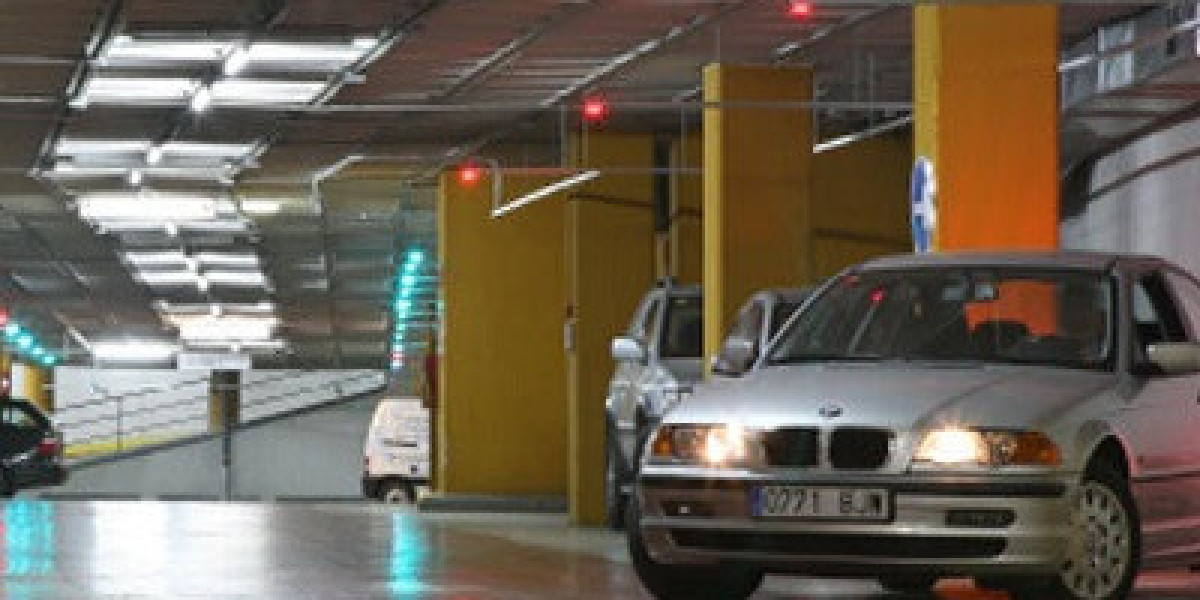

Parking space is a valuable resource for hotels, shopping malls, restaurants, commercial buildings, hospitals, and event venues. As visitor numbers increase, businesses often face challenges such as limited parking capacity, vehicle congestion, inefficient space allocation, and long waiting times. Managing these challenges effectively requires a well-organized parking strategy that makes the most of every available space.
Professional Valet Parking Services in Saudi Arabia can help businesses improve parking space utilization through structured vehicle placement, coordinated traffic movement, and efficient parking operations. Unlike traditional self-parking, where drivers independently select spaces, valet attendants can organize vehicles according to a planned layout. This approach may allow facilities to accommodate more vehicles while maintaining convenient access and safe movement.
Understanding how valet parking maximizes parking space can help property owners and managers improve operational efficiency, enhance customer satisfaction, and make better use of their existing infrastructure.
Understanding Parking Space Utilization
Parking space utilization refers to how effectively a parking facility uses its available capacity. A property may have a large parking area, but poor organization can prevent it from accommodating the expected number of vehicles efficiently.
Several factors influence parking space utilization, including vehicle size, parking layout, traffic flow, driver behavior, and the availability of clearly designated spaces.
Common Challenges in Traditional Parking Facilities
Traditional self-parking facilities often experience several operational problems.
Drivers may spend considerable time searching for available spaces. Some vehicles may occupy more room than necessary, while others may leave uneven gaps between parked cars. During peak hours, these patterns can reduce the effective capacity of a parking facility.
Other common challenges include:
Uneven distribution of vehicles across parking zones.
Congestion near entrances and exits.
Poor utilization of less accessible parking spaces.
Difficulty managing vehicle arrivals during busy periods.
Long walking distances between parking spaces and entrances.
Unorganized vehicle movement within parking areas.
These issues can make a parking facility appear full even when some spaces remain unused.
A structured valet parking operation can address many of these challenges by assigning vehicles to suitable spaces and coordinating parking activities.
How Valet Parking Services Improve Space Allocation
One of the main ways valet parking maximizes parking space is through organized vehicle allocation.
Instead of allowing each driver to independently select a parking space, trained attendants follow a planned system that considers vehicle dimensions, parking layout, and operational requirements.
Organized Vehicle Placement
Valet attendants can park vehicles in a systematic arrangement. This helps reduce unnecessary gaps between cars and ensures that available spaces are used appropriately.
For example, a parking area may contain several sections with different access conditions. Attendants can allocate vehicles to suitable zones based on their expected retrieval time and the property's operational needs.
Vehicles expected to be retrieved soon may be placed in more accessible positions, while vehicles likely to remain parked longer can be assigned to designated areas.
This arrangement can help improve parking efficiency and reduce unnecessary vehicle movement.
Better Use of Available Parking Zones
Large parking facilities often contain areas that are underused because customers find them inconvenient or difficult to access.
Valet attendants can help distribute vehicles more evenly throughout the facility by using these designated zones when appropriate.
This can prevent excessive concentration near the entrance and improve the overall balance of parking occupancy.
However, all vehicle placement must respect approved parking layouts, safety requirements, accessible parking spaces, and emergency access routes.
Reducing Unnecessary Gaps Between Vehicles
Spacing between vehicles has a direct effect on parking capacity. When drivers park independently, they may leave larger gaps to make maneuvering easier.
Professional valet attendants are trained to position vehicles carefully within designated spaces.
Controlled Parking Arrangements
Valet parking allows attendants to follow consistent parking procedures. They can position vehicles according to the dimensions of each parking bay and the available maneuvering space.
This approach may reduce inefficient spacing and improve the use of designated parking areas.
For example, a driver parking independently may leave an additional gap between two vehicles because of uncertainty about maneuvering. An experienced valet attendant may be able to park the vehicle more accurately within the approved layout.
Consistent vehicle positioning can help create a more organized parking arrangement.
Matching Vehicles to Suitable Spaces
Vehicle dimensions vary significantly. Large SUVs, sedans, compact cars, and other vehicle types may require different amounts of space.
A valet parking system can consider these differences when assigning parking positions.
Compact vehicles may fit comfortably into suitable smaller spaces, while larger vehicles can be directed toward bays that provide adequate clearance.
This helps prevent inefficient space allocation while maintaining safe parking conditions.
It is important to remember that parking attendants should never force vehicles into spaces that are too narrow or reduce the required clearance for safe access.
Improving Traffic Flow and Reducing Parking Congestion
Parking space utilization is closely connected to traffic movement. Even when a facility has sufficient parking capacity, poor traffic flow can create congestion and reduce operational efficiency.
Valet parking helps manage vehicle movement through coordinated drop-off, parking, and retrieval procedures.
Efficient Drop-Off and Pick-Up Zones
A designated valet drop-off area allows customers to hand over their vehicles without entering the main parking lanes.
This reduces the number of drivers searching for spaces near the entrance and helps maintain smoother traffic movement.
A properly managed pick-up area also prevents vehicles from blocking entrances or creating unnecessary congestion.
Attendants can coordinate vehicle retrieval requests and prepare cars before customers reach the pick-up point.
Better Management During Peak Hours
Busy periods can create sudden increases in vehicle arrivals. Hotels may experience high demand during check-in hours, restaurants during dinner service, and event venues during scheduled gatherings.
Valet parking teams can organize arrivals according to a structured process.
This may include:
Assigning attendants to different operational zones.
Managing vehicle drop-off queues.
Coordinating parking assignments.
Monitoring parking occupancy.
Preparing vehicles for retrieval in advance.
Maintaining clear access to entrances and exits.
These procedures can reduce delays and improve the effective use of available parking space.
Using Parking Management Technology to Maximize Capacity
Modern valet parking operations can become more efficient when supported by suitable technology.
Digital systems help attendants and managers monitor vehicles, organize parking locations, and coordinate retrieval requests.
Digital Vehicle Tracking
A digital valet parking system can record important information about each vehicle, including its identification details, parking location, and retrieval status.
This makes it easier for attendants to locate vehicles without searching manually.
When parking locations are recorded accurately, vehicles can be distributed across different zones more efficiently.
Digital tracking can also reduce confusion during busy periods when several customers request their vehicles at the same time.
Parking Occupancy Monitoring
Parking occupancy systems can help managers understand how much space is being used.
Sensors, digital dashboards, or manual occupancy records may provide information about available capacity across different parking zones.
This data can help the valet team identify underused areas and adjust vehicle allocation accordingly.
For example, if one parking section is nearly full while another has available spaces, attendants can direct incoming vehicles toward the less occupied section.
Data-Driven Parking Planning
Over time, parking data can reveal patterns in vehicle arrivals, peak demand, average parking duration, and retrieval activity.
Property managers can use this information to improve staffing arrangements and parking layouts.
Technology does not automatically increase physical capacity, but it can help facilities use their existing spaces more effectively.
Maximizing Parking Space Across Different Business Types
Valet parking can support space utilization in several types of properties, although the benefits depend on the facility's layout and operating conditions.
Hotels and Hospitality Properties
Hotels often experience frequent vehicle arrivals and departures.
Valet parking allows attendants to organize vehicles according to guest arrival patterns and expected retrieval times.
This can reduce congestion around the entrance and help make better use of designated parking areas.
A well-managed system also supports a convenient guest experience, particularly during busy check-in and check-out periods.
Shopping Malls and Commercial Buildings
Shopping malls and commercial properties may experience high parking demand during weekends, holidays, and promotional events.
Valet parking can help manage vehicle arrivals and distribute cars across available parking zones.
Commercial buildings with limited entrance space may also benefit from valet drop-off arrangements that reduce congestion near the main entrance.
Restaurants and Event Venues
Restaurants, banquet halls, and event venues often have limited parking capacity and concentrated periods of demand.
Valet attendants can coordinate arrivals and organize vehicles within designated areas.
For events with large attendance, a structured parking arrangement may help reduce unnecessary gaps and maintain orderly vehicle movement.
Hospitals and Healthcare Facilities
Healthcare facilities require careful parking management because patients and visitors may need convenient access to entrances.
Valet parking can help make better use of suitable parking zones while reducing the need for visitors to search for spaces.
However, emergency access routes, accessible parking bays, ambulance areas, and pedestrian pathways must remain clear at all times.
Safety and Operational Planning for Better Space Utilization
Maximizing parking space should never come at the expense of safety.
A professional valet parking provider must ensure that vehicles are parked according to the facility's approved layout and applicable requirements.
Maintaining Safe Parking Standards
Effective parking space utilization should include:
Adequate clearance between vehicles.
Clearly marked parking bays.
Safe pedestrian pathways.
Accessible parking spaces.
Emergency vehicle access.
Properly designated vehicle movement lanes.
Secure vehicle storage areas.
Attendants should receive appropriate training in safe vehicle handling and parking procedures.
Regular Parking Layout Reviews
Parking layouts should be reviewed periodically to identify opportunities for improvement.
Property managers may assess whether parking zones are being used efficiently, whether traffic bottlenecks occur frequently, and whether certain spaces remain underutilized.
Small operational adjustments can sometimes improve parking efficiency without requiring major infrastructure changes.
Any changes to the layout should be approved and designed to maintain safety and accessibility.
Conclusion
Valet parking services can play an important role in maximizing parking space by improving vehicle allocation, reducing unnecessary gaps, organizing parking zones, and managing traffic flow.
Through trained attendants, structured parking procedures, and modern technology, businesses can make better use of their available parking facilities. These improvements may help reduce congestion, support faster vehicle retrieval, and create a more convenient experience for customers.
Hotels, restaurants, shopping malls, commercial buildings, event venues, and healthcare facilities can all benefit from a carefully planned valet parking operation.
However, effective space utilization requires more than simply fitting additional vehicles into a parking area. It also involves maintaining safe clearances, protecting vehicles, supporting pedestrian movement, and preserving emergency access.
Ultimately, a well-organized valet parking system helps businesses improve parking efficiency while delivering a professional and comfortable customer experience.
Frequently Asked Questions (FAQs)
1. How do valet parking services maximize parking space?
Valet parking services maximize parking space by organizing vehicle placement, reducing unnecessary gaps, assigning cars to suitable parking zones, and managing traffic flow. These procedures can improve the effective use of available parking capacity.
2. Can valet parking accommodate more vehicles than self-parking?
In some facilities, valet parking may accommodate more vehicles because trained attendants can organize parking more efficiently. However, the actual capacity depends on the parking layout, vehicle dimensions, safety requirements, and available space.
3. Does valet parking reduce parking congestion?
Yes, a properly managed valet parking system can reduce congestion near entrances and exits. Designated drop-off areas, organized vehicle allocation, and coordinated retrieval procedures help maintain smoother traffic movement.
4. What role does technology play in maximizing parking space?
Technology can help track vehicle locations, monitor parking occupancy, manage retrieval requests, and identify underused parking zones. These capabilities support better planning and more efficient parking operations.
5. Which businesses can benefit from valet parking space optimization?
Hotels, shopping malls, restaurants, commercial buildings, hospitals, residential communities, and event venues can benefit from valet parking space optimization, particularly when parking demand is high or available space is limited.
6. Is maximizing parking capacity more important than vehicle safety?
No. Vehicle safety, pedestrian access, emergency routes, and required parking clearances must always remain priorities. Parking space optimization should improve efficiency without compromising safety or accessibility.