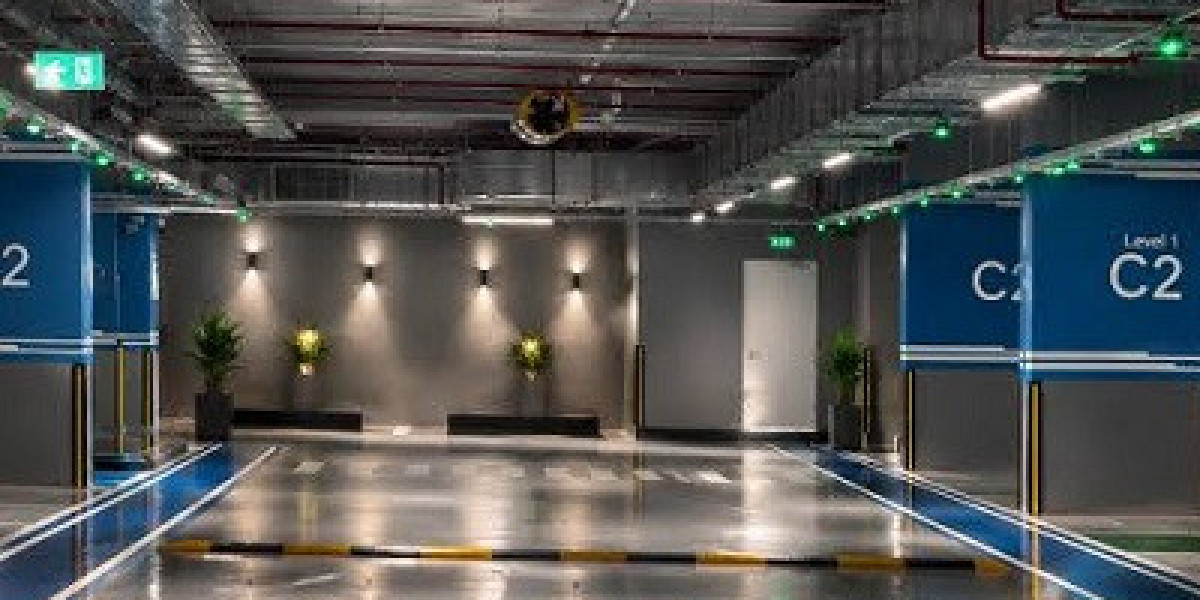

Parking has become an important part of managing modern residential communities, commercial buildings, shopping centers, offices, and public facilities. As cities continue to grow, the demand for organized parking spaces increases. Traditional parking methods, such as paper permits, manual registers, and physical authorization cards, often create unnecessary challenges for parking operators and property managers. Digital solutions are now transforming how parking spaces are allocated, monitored, and controlled.
A well-organized parking facility requires an efficient system that can manage vehicles, prevent unauthorized parking, and provide a convenient experience for drivers. This is where digital permits play a significant role. Businesses looking for Best Parking Management Services Riyadh can benefit from modern parking solutions that simplify permit administration, improve security, and support better space utilization. Digital parking permits offer a practical approach to managing parking access while reducing the workload associated with traditional systems.
What Are Digital Parking Permits?
Digital parking permits are electronic authorizations that allow specific vehicles to use designated parking spaces or parking facilities. Instead of relying on printed stickers, paper passes, or physical cards, these permits are stored and managed through digital platforms.
A digital permit may contain important information, including:
Vehicle registration number
Permit holder's name or identification
Assigned parking zone or space
Permit validity period
Access permissions
Vehicle category
Authorization status
These permits can be issued to employees, residents, visitors, tenants, contractors, or other approved users. Depending on the parking system, access may be verified through license plate recognition cameras, QR codes, mobile applications, or connected access control devices.
For property managers, digital permits create a centralized way to control parking access. For drivers, they provide a convenient method of obtaining and maintaining parking authorization without carrying additional physical documents.
How Digital Parking Permits Work in a Parking Management System
Digital parking permits operate through a combination of software, vehicle information, and access control technology. Their primary purpose is to ensure that only authorized vehicles can use a particular parking facility or designated parking area.
1. Digital Permit Registration
The process begins when a driver or administrator registers a vehicle through a parking management platform. The registration process typically involves entering the vehicle's registration number, permit holder information, and other required details.
For residential communities, residents may register their personal vehicles. In commercial buildings, employees can receive permits based on their workplace access rights.
Once the information is submitted and approved, the system generates a digital permit associated with the registered vehicle.
2. Permit Assignment and Authorization
After registration, the parking administrator assigns access permissions. These permissions may include specific parking zones, reserved spaces, operating hours, or permit expiration dates.
For example, an employee may be authorized to park in a designated office parking area during working hours. A visitor may receive temporary access to a particular section of a facility.
This approach helps parking operators maintain better control over the allocation of parking spaces.
3. Automated Vehicle Verification
When an authorized vehicle approaches an entrance, the parking system verifies its permit status.
Depending on the technology installed, verification may occur through:
Automatic Number Plate Recognition (ANPR)
License Plate Recognition (LPR) cameras
QR code scanning
Mobile access credentials
Integrated parking barriers
If the vehicle has valid authorization, the system can permit entry. If the permit has expired or the vehicle is not registered, the system may deny access or alert the parking administrator.
4. Permit Monitoring and Renewal
Digital parking platforms can track permit expiration dates and provide notifications when renewal is required.
This reduces the likelihood of outdated permits being used. Administrators can also update vehicle information, change access permissions, or deactivate permits when a user no longer requires parking access.
Key Benefits of Digital Parking Permits
Digital parking permits offer several advantages for businesses, property managers, parking operators, and drivers. They improve the overall organization of parking facilities while reducing many administrative difficulties.
Improved Parking Security
One of the most important benefits of digital parking permits is enhanced parking security. Traditional parking passes can be misplaced, copied, or transferred to unauthorized individuals. Digital permits provide a more controlled method of managing access.
Each permit is connected to specific vehicle information and authorization rules. This makes it easier for operators to identify vehicles that do not have valid parking permissions.
When combined with cameras and automated barriers, digital permits can help reduce unauthorized parking and improve monitoring throughout the facility.
Better Space Utilization
Parking spaces are valuable resources, especially in busy commercial areas and large residential communities. Digital permits help administrators allocate spaces according to actual requirements.
For example, a business may assign parking spaces to employees based on their schedules or access needs. Residential properties can maintain records of authorized vehicles for individual apartments.
By organizing parking permissions, operators can reduce the misuse of reserved spaces and make better use of available capacity.
Reduced Administrative Work
Managing hundreds or thousands of paper permits can be time-consuming. Administrators may need to print passes, distribute them, maintain records, and manually verify their validity.
Digital permits simplify these responsibilities.
The system can automate registration, authorization, renewal notifications, and permit cancellation. Administrators can manage information from a centralized dashboard rather than relying on separate spreadsheets or paper files.
This can improve operational efficiency and allow staff to focus on other important responsibilities.
Greater Convenience for Drivers
Drivers benefit from a simpler parking experience. They do not need to display physical stickers or carry additional access cards when the facility supports digital vehicle verification.
Residents, employees, and visitors can receive permits electronically. Temporary access can also be granted without requiring an in-person visit to the parking office.
This convenience can make parking more efficient and reduce delays at facility entrances.
Accurate Parking Records
Digital parking systems maintain electronic records of permit registrations, vehicle access, and authorization changes.
These records help administrators understand how parking spaces are being used. They can identify recurring access issues, review parking activity, and make informed decisions about future space allocation.
Accurate records are especially useful for facilities with multiple parking zones or a large number of registered vehicles.
The Role of Digital Parking Permits in Riyadh
Riyadh is a rapidly developing urban center with growing residential, commercial, and business infrastructure. As more facilities accommodate employees, residents, customers, and visitors, parking management becomes an important operational requirement.
Digital parking permits can support organized parking operations in several types of facilities.
Residential Communities
Residential communities often face parking challenges when multiple households share limited parking spaces. Unauthorized vehicles may occupy resident spaces, while visitor parking can become difficult to manage.
Digital permits allow property managers to register vehicles associated with individual residents and assign parking permissions based on community rules.
Visitor permits can also be issued for temporary access, helping maintain a more organized residential environment.
Commercial Buildings and Offices
Office buildings frequently need to manage parking access for employees, management teams, contractors, and visitors.
Digital permits allow administrators to assign access based on employee roles, work schedules, and designated parking zones.
When employee information changes, parking permissions can be updated without replacing physical passes. This flexibility can help commercial facilities maintain efficient parking operations.
Shopping Centers and Retail Facilities
Shopping centers experience changing parking demand throughout the day. Customers, employees, delivery vehicles, and service providers may require different levels of access.
Digital permits can help distinguish between these vehicle categories. For example, delivery vehicles may receive access to designated loading areas, while employees may use separate parking sections.
This can reduce confusion and support better traffic flow within the facility.
Hospitals and Large Institutions
Large institutions require organized parking access for staff, visitors, contractors, and service vehicles.
Digital permit systems can help assign access permissions according to operational requirements. Authorized vehicles can be directed toward appropriate parking zones, while restricted areas remain protected.
A structured parking system can also reduce unnecessary delays and improve the overall visitor experience.
Digital Parking Permits vs. Traditional Parking Permits
Traditional parking permits have been used for many years. However, digital alternatives offer greater flexibility and easier administration.
The main differences include:
| Feature | Traditional Permits | Digital Parking Permits |
|---|---|---|
| Registration | Manual paperwork | Electronic registration |
| Permit distribution | Physical passes | Online issuance |
| Access verification | Visual inspection | Automated verification |
| Renewal | Manual processing | Digital renewal options |
| Record management | Paper files | Centralized digital records |
| Permit cancellation | Physical retrieval may be needed | Remote deactivation |
| Security | Limited verification | Vehicle-based authorization |
| Administrative effort | Often higher | Can be reduced through automation |
Traditional permits may still be suitable for smaller facilities with limited parking requirements. However, digital permits can offer considerable advantages for facilities that need scalable, flexible, and more automated parking operations.
Challenges of Implementing Digital Parking Permits
Although digital parking permits provide many benefits, their implementation requires careful planning.
Technology Integration
A digital permit platform may need to connect with existing parking barriers, cameras, payment systems, and access control equipment.
Compatibility should be evaluated before implementation. A properly integrated system helps prevent technical interruptions and creates a smoother parking experience.
Data Accuracy
Digital permits depend on accurate vehicle registration information. Incorrect license plate numbers, outdated vehicle details, or duplicate registrations may cause access problems.
Parking administrators should establish clear registration procedures and periodically review permit records.
User Awareness
Some drivers may be unfamiliar with digital parking systems. They may require instructions for registering vehicles, obtaining permits, or updating information.
Clear communication and user-friendly interfaces can help make the transition easier.
Data Privacy and Security
Digital permit platforms may store vehicle registration details and information about parking access activity.
Facility operators should ensure that this information is protected through appropriate security controls, access restrictions, and data handling policies.
A reliable system should also support responsible data retention and secure management of user information.
How to Choose the Right Digital Parking Permit Solution
Selecting a suitable parking permit solution requires an understanding of the facility's operational needs.
A reliable parking management system should provide the following features:
Easy vehicle registration: Drivers and administrators should be able to register vehicles without unnecessary complexity.
Flexible permit management: The platform should support permanent, temporary, visitor, and employee permits.
Automated access control: Integration with cameras, barriers, or other verification technologies can improve efficiency.
Centralized administration: Parking managers should be able to monitor permits and access permissions from one platform.
Real-time updates: Changes to permits should be reflected quickly.
Detailed reporting: Reports should provide useful information about parking utilization and access activity.
Scalability: The system should be capable of supporting additional vehicles, users, or parking zones as the facility grows.
Strong security measures: User information and parking records should be protected.
The right solution depends on the size of the facility, the number of users, the available infrastructure, and the level of automation required.
Conclusion
Digital parking permits have become an important component of modern parking management. They provide a more organized and flexible approach to controlling vehicle access, assigning parking spaces, and maintaining accurate records.
For residential communities, commercial buildings, shopping centers, and large institutions in Riyadh, digital permits can help improve parking security, reduce administrative work, and enhance the experience of drivers.
By replacing outdated manual processes with electronic authorization, parking operators can manage facilities more efficiently and respond to changing parking requirements. When integrated with suitable access control technology, digital permits can also support better space utilization and more reliable parking operations.
As parking facilities continue to adopt modern technology, digital permit systems are likely to play an increasingly important role in creating secure, convenient, and well-managed parking environments.
Frequently Asked Questions (FAQs)
1. What is a digital parking permit?
A digital parking permit is an electronic authorization that allows a registered vehicle to access a specific parking facility, zone, or space. It replaces traditional paper permits or physical stickers with a digitally managed credential.
2. How do digital parking permits improve parking security?
Digital permits connect vehicle information with specific access permissions. Parking systems can verify whether a vehicle is authorized and restrict access to unregistered or unauthorized vehicles.
3. Can digital parking permits be used in residential communities?
Yes. Residential communities can use digital permits to register resident vehicles, assign parking spaces, manage visitor access, and prevent unauthorized vehicles from occupying designated parking areas.
4. Are digital parking permits suitable for commercial buildings in Riyadh?
Yes. They can help commercial buildings manage employee parking, visitor access, reserved spaces, and parking zones through a centralized platform.
5. Can a digital parking permit be renewed or cancelled remotely?
Many digital parking systems allow administrators to renew, update, or deactivate permits electronically. This reduces the need for physical permit replacement or retrieval.
6. What technology is used to verify digital parking permits?
Digital permits may be verified through Automatic Number Plate Recognition cameras, QR codes, mobile applications, connected access control systems, and automated parking barriers. The technology depends on the specific parking management solution.