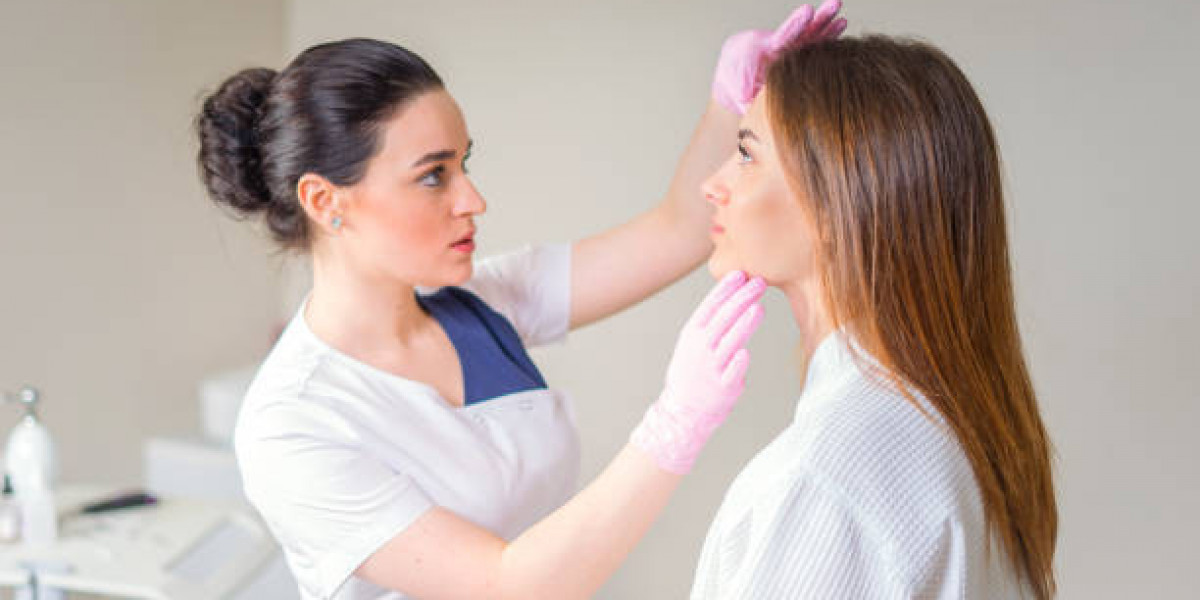

Skin brightening is one of the most requested aesthetic goals—and one of the most misunderstood. It's not about changing your natural skin color; it's about reducing excess pigmentation, evening tone, and restoring radiance. Skin clinics offer a range of treatments—from topical prescriptions to in-clinic procedures—that address dullness, dark spots, and uneven tone. Skin Clinic Riyadh explains what skin brightening actually involves, what treatments a skin clinic may recommend, and what results to realistically expect.
What Skin Brightening Actually Means
Skin brightening refers to improving skin radiance and evening tone—reducing excess melanin production, fading dark spots, and addressing dullness. It's distinct from skin whitening—which aims to lighten natural skin color—and is generally not recommended or safe. Brightening focuses on healthy, even-toned skin—whatever your natural tone. This distinction matters: brightening treatments target pigmentation concerns, not natural skin color.
Why Skin Becomes Dull or Uneven
Several factors cause dullness and uneven tone. Sun exposure triggers melanin production—causing dark spots and uneven pigmentation. Dead cell buildup makes skin look dull and rough. Dehydration reduces radiance—skin looks flat and tired. Post-inflammatory hyperpigmentation—from acne or irritation—causes darkened patches. Hormonal changes—melasma—cause blotchy pigmentation. And aging slows cell turnover—contributing to dullness. Understanding the cause determines the right treatment approach.
Topical Brightening Ingredients
Skin clinics often recommend topical ingredients that support brightening: vitamin C—antioxidant that inhibits melanin production and brightens skin; niacinamide—reduces pigmentation transfer and supports barrier; azelaic acid—gentle brightening and anti-inflammatory; kojic acid—inhibits melanin production; tranexamic acid—effective for melasma; and retinoids—support cell turnover and fade pigmentation. These ingredients require consistency—results develop over weeks to months. Prescription options—like hydroquinone—are more potent but require professional supervision.
Chemical Peels for Brightening
Chemical peels—using glycolic, lactic, mandelic, or salicylic acid—remove dead skin cells and promote turnover, improving radiance and fading pigmentation. Superficial peels are gentle—with minimal downtime—and can be performed regularly for maintenance. Medium peels penetrate deeper—producing more significant brightening—but require recovery. Peels are particularly effective for dullness and mild pigmentation. A skin clinic selects the appropriate peel based on your skin type and concerns.
Laser and Light Treatments
Laser and light treatments target pigmentation more directly. Intense pulsed light (IPL) targets melanin and redness—improving sun spots and uneven tone. Q-switched lasers target pigment—fading dark spots and melasma. Picosecond lasers break up pigment more efficiently—with potentially fewer sessions. Fractional lasers resurface skin—improving texture and tone. These treatments require professional administration—and careful selection for darker skin tones. Results are gradual—multiple sessions are typically required.
Microneedling for Brightening
Microneedling stimulates collagen production and cell turnover—improving texture and tone. It can enhance the penetration of brightening serums—applied during treatment. Radiofrequency microneedling combines microneedling with RF energy—producing more significant results. Microneedling is gentler than lasers—with less downtime—and suitable for most skin types. It's particularly effective for post-inflammatory hyperpigmentation and overall dullness.
Prescription Treatments
For persistent pigmentation—particularly melasma—skin clinics may prescribe stronger treatments. Hydroquinone—a gold-standard pigment inhibitor—is effective but requires supervision due to potential side effects. Tretinoin—supports cell turnover and fades pigmentation. Triple combination creams—combining hydroquinone, tretinoin, and corticosteroid—are used for melasma under professional guidance. Prescription treatments require monitoring—and sun protection is essential to prevent rebound pigmentation.
The Role of Sun Protection
Sun protection is essential for any brightening treatment—without it, treatments won't work, and pigmentation will recur. Daily broad-spectrum sunscreen (SPF 30 or higher), hats, and protective clothing are non-negotiable. For melasma and pigmentation-prone skin, tinted sunscreens with iron oxides provide additional visible light protection. Sun protection is the foundation of brightening—treatments address existing pigmentation; sun protection prevents new pigmentation.
Skin Tone Considerations
Darker skin tones require careful treatment selection—some lasers and peels carry pigmentation risk. Providers experienced with diverse skin types adjust modalities, settings, and approaches to minimize risk. Brightening treatments can be safe and effective on all skin tones—when tailored appropriately. If you have darker skin, ask about the provider's experience and approach—personalized care matters.
Realistic Expectations
Skin brightening produces gradual, meaningful improvement—fading dark spots, evening tone, and restoring radiance. It doesn't change natural skin color—nor should it. Results develop over weeks to months—with multiple sessions and consistent skincare required. Complete clearance of pigmentation is uncommon—particularly for melasma—but significant improvement is achievable. Realistic expectations prevent disappointment.
Questions to Ask During Consultation
Ask: What's causing my dullness or pigmentation? Which treatments suit my skin tone? What results are realistic? How many sessions will I need? What aftercare and sun protection do you recommend? A provider who answers specifically—referencing your skin—helps you choose the right approach.
When to Seek Professional Guidance
If you're concerned about dullness or pigmentation, professional guidance can help. A skin clinic can assess your skin and recommend appropriate brightening treatments. For personalized guidance on skin brightening, a consultation with qualified professionals offers clarity and direction.
Final Thoughts: Brightening Through Science, Not Hype
Skin brightening is about achieving even, radiant, healthy-looking skin—not changing your natural tone. Topical ingredients, chemical peels, lasers, and microneedling offer evidence-backed options—personalized to your skin type and concerns. Sun protection is the foundation. With appropriate treatment and realistic expectations, skin can look brighter, clearer, and more radiant—naturally.
Book an Appointment Consultation Clinic
For those seeking expert guidance and customized aesthetic care, you can book an appointment consultation at the Enfield Royal Riyadh.
FAQs
What is skin brightening?
Improving radiance and evening tone—reducing pigmentation and dullness—not changing natural skin color.
Which ingredients brighten skin?
Vitamin C, niacinamide, azelaic acid, kojic acid, tranexamic acid, and retinoids—with consistent use.
Are laser treatments effective for brightening?
Yes—IPL, Q-switched, and picosecond lasers target pigmentation—but require professional administration.
Is brightening safe for darker skin?
With appropriate treatment selection and experienced providers—yes; some lasers carry pigmentation risk.
How long before brightening treatments show results?
Typically weeks to months—multiple sessions and consistent skincare are required.