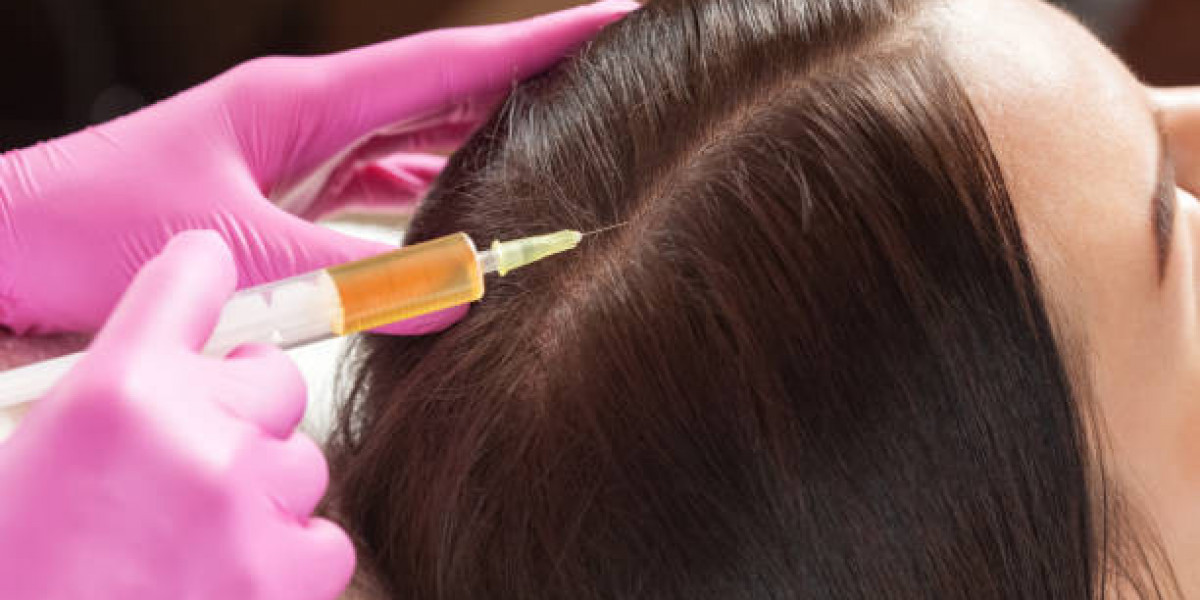

Platelet-Rich Plasma (PRP) hair treatment is a non-surgical option that uses components from the patient's own blood to support scalp health and stimulate natural hair growth. Understanding the correct preparation and aftercare instructions can help patients have a more comfortable treatment experience and support the best possible results.
If you are researching PRP Hair Treatment in Riyadh, knowing what to avoid before and after your session is just as important as understanding the procedure itself. Many patients also search for prp treatment in riyadh price while comparing available treatment options, but it is equally important to understand the procedure, recovery expectations, and professional aftercare recommendations before making a decision.
What Should You Avoid Before PRP Hair Treatment?
Preparing your scalp and discussing your medical history with your healthcare provider can help make the procedure safer and more comfortable. Certain habits, medications, and products may need to be avoided before your appointment.
Avoid Alcohol Before Treatment
Alcohol may affect hydration and can influence bleeding and bruising. It is generally advisable to avoid alcoholic beverages for at least 24–48 hours before your appointment, depending on your provider's instructions. Staying hydrated is a better way to prepare your body for treatment.
Avoid Smoking and Nicotine
Smoking and nicotine can affect blood circulation and the body's natural healing processes. Reducing or avoiding smoking before your session may support better recovery. Discuss your smoking habits with your healthcare provider for appropriate guidance.
Do Not Take Certain Medications Without Medical Advice
Some medications, including aspirin and certain anti-inflammatory drugs, can affect blood clotting and bruising. Your provider may recommend adjusting particular medications before treatment. However, never stop prescribed medication without consulting the healthcare professional responsible for your care.
Avoid Harsh Scalp Treatments
Avoid chemical hair treatments, strong exfoliating products, and irritating scalp procedures shortly before your appointment. These products may cause redness or sensitivity. Keep your scalp clean and follow the preparation instructions provided by your clinic.
Avoid Arriving With an Unclean Scalp
Wash your hair before your appointment unless your clinic advises otherwise. Avoid applying heavy oils, styling gels, sprays, or other products that may leave residue on your scalp.
What Should You Avoid After PRP Hair Treatment?
Aftercare is essential because the scalp may be sensitive immediately following the injections. Following professional instructions can help minimize irritation and support the recovery process.
Avoid Washing Your Hair Immediately
Your clinic may recommend waiting approximately 24 hours before washing your hair. This allows the scalp to settle after treatment. When you resume washing, use a gentle shampoo and avoid scrubbing or scratching the treated areas.
Avoid Intense Exercise and Heavy Physical Activity
Strenuous workouts, heavy lifting, and activities that cause excessive sweating may irritate the scalp immediately after treatment. Consider avoiding intense exercise for approximately 24–48 hours or as advised by your provider.
Avoid Excessive Sun Exposure
Direct sunlight and excessive heat may increase scalp discomfort or irritation. Protect your scalp from strong sunlight and avoid tanning beds, saunas, and steam rooms during the initial recovery period.
Avoid Scratching or Massaging the Scalp
The treated area may feel tender or slightly swollen. Avoid rubbing, scratching, or applying pressure to your scalp. Allow the area to recover naturally and contact your clinic if irritation becomes severe or unusual.
Avoid Chemical Hair Treatments
Hair colouring, bleaching, chemical straightening, and other potentially irritating treatments should be postponed until your scalp has recovered. Ask your provider when it is appropriate to resume your regular haircare routine.
Tips for Supporting Recovery After PRP Hair Treatment
Maintaining healthy habits can support overall scalp health following your procedure. Drink enough water, eat a balanced diet containing protein, vitamins, and minerals, and follow your provider's recommendations for haircare.
It is also important to maintain realistic expectations. PRP results develop gradually rather than immediately. Multiple sessions may be recommended depending on your hair condition, treatment goals, and response. Regular follow-up appointments can help your provider assess progress and determine whether additional sessions are appropriate.
Frequently Asked Questions
1. Can I wash my hair after PRP treatment?
It is generally recommended to wait around 24 hours before washing your hair, although your provider may suggest a different timeframe. Use a gentle shampoo when washing is permitted.
2. Can I exercise after PRP hair treatment?
Light daily activities are usually acceptable, but intense exercise and activities that cause excessive sweating should generally be avoided for 24–48 hours. Follow your clinic's specific instructions.
3. Can I apply hair oil after PRP treatment?
Avoid applying hair oils and other scalp products immediately after treatment. Wait until your provider confirms that your scalp has recovered sufficiently.
4. How long does it take to see results from PRP hair treatment?
Results develop gradually over several weeks and months. The timeline varies depending on the individual's hair condition, treatment plan, and response to PRP.
5. Is scalp redness normal after PRP treatment?
Mild redness, tenderness, or swelling can occur temporarily after the injections. However, severe pain, increasing redness, pus, or fever should be assessed by a healthcare professional.
Book Your PRP Hair Treatment Consultation at Enfield Royal Clinic
Understanding what to avoid before and after treatment can help you prepare for a more comfortable experience and follow an appropriate recovery routine. If you are considering PRP Hair Treatment in Riyadh, arrange a professional consultation at Enfield Royal Clinic to discuss your hair concerns, treatment suitability, and personalized aftercare recommendations.