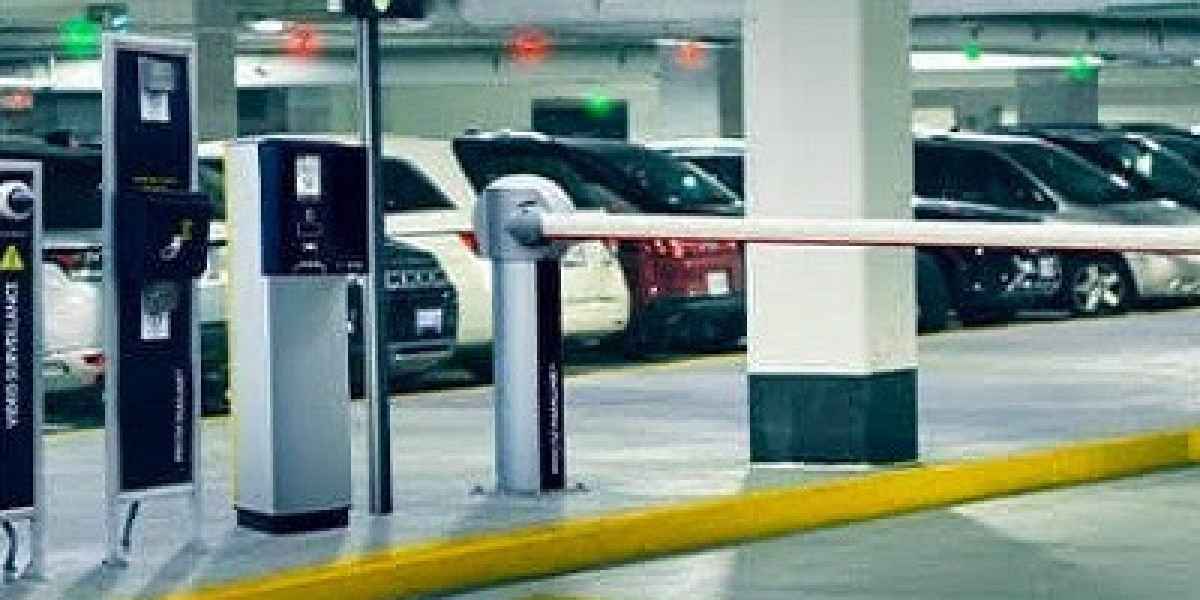

Parking is an important part of maintaining a comfortable, organized, and convenient residential environment. In apartment complexes, gated communities, and residential buildings, parking spaces are used daily by residents, guests, delivery drivers, and service providers. When parking is poorly managed, it can lead to overcrowding, unauthorized parking, traffic congestion, and disputes among residents. A well-organized parking system helps prevent these issues and supports a better living experience.
As residential developments continue to expand in Riyadh, the need for efficient parking arrangements has become increasingly important. Property managers and residential community operators are looking for practical solutions that improve space utilization, enhance security, and simplify daily vehicle movement. Professional Parking Management Services Riyadh can help residential communities establish organized parking operations through structured policies, modern technology, and reliable management practices. These services make parking more convenient for residents while helping property managers maintain a peaceful and well-maintained environment.
1. Why Parking Management Is Important for Residential Communities
Residential parking is different from parking in shopping malls or commercial buildings. Residents often use their parking spaces every day, and they expect consistent access to their designated areas. Guests, delivery vehicles, maintenance teams, and other visitors also require temporary parking arrangements.
Without an effective parking management system, residential communities may experience several common problems.
Residents finding their assigned spaces occupied by unauthorized vehicles.
Guests parking in restricted or reserved areas.
Vehicles blocking entrances, exits, or emergency access routes.
Congestion near building entrances and internal roads.
Conflicts between residents over parking availability.
Poor utilization of available parking spaces.
These challenges can affect residents' comfort and create unnecessary pressure on property management teams.
Professional parking management services help establish clear parking rules, organize vehicle access, and ensure that available spaces are used appropriately. A structured approach can improve the daily experience of residents and contribute to a more harmonious community.
2. How Parking Management Services Improve Space Utilization
One of the biggest challenges in residential communities is making the best use of available parking spaces. Some properties have limited parking capacity, while others have spaces that remain underutilized because of poor allocation or unclear arrangements.
Parking management services help property managers organize parking resources more effectively.
Assigned Parking Spaces for Residents
Many residential communities benefit from a designated parking allocation system. Each resident or household may receive a specific parking space based on the property's policies.
This arrangement helps reduce confusion and prevents unauthorized use of assigned spaces.
Clear space numbering and visible markings make it easier for residents to identify their parking locations.
Efficient Guest Parking Arrangements
Visitors need convenient parking without interfering with residents' regular parking access.
Residential communities can establish designated guest parking zones, temporary parking permits, or visitor registration procedures.
These arrangements help property managers maintain better control over visitor vehicles while ensuring that guests can access the property conveniently.
Better Use of Available Parking Areas
Parking operators can assess the layout, occupancy patterns, and usage requirements of a residential facility.
This information can help identify underused areas and opportunities to improve parking arrangements.
For example, certain spaces may be allocated for visitors during specific periods, subject to community policies and operational requirements.
Improved space utilization can reduce parking pressure and make the most of the available infrastructure.
3. Enhancing Residential Parking Security
Security is a major concern for residents who leave their vehicles parked for extended periods. A well-managed parking facility can help improve vehicle protection and provide residents with greater peace of mind.
Parking management services can introduce several security measures to support residential communities.
Controlled Vehicle Access
Access control systems can help regulate which vehicles enter residential parking areas.
Residents may use access cards, registered vehicle credentials, or other approved systems to enter designated parking zones.
Visitor access can be managed through temporary authorization procedures.
This helps reduce unauthorized vehicle entry and improves overall parking control.
CCTV Surveillance
Surveillance cameras can monitor important locations, including parking entrances, exits, vehicle lanes, and pedestrian pathways.
CCTV systems may also support incident investigations involving vehicle damage, suspicious activity, or unauthorized parking.
Proper camera placement and responsible data handling are important for maintaining effective and privacy-conscious surveillance.
Adequate Lighting
Well-lit parking spaces improve visibility for residents, visitors, and security personnel.
Lighting is especially important in underground parking garages, covered parking structures, and outdoor areas used at night.
Good lighting can also make residents feel more comfortable when walking between their vehicles and residential buildings.
Regular Security Patrols
Trained personnel may conduct routine inspections and patrols throughout the parking facility.
These activities help identify potential security concerns, blocked routes, damaged equipment, and violations of parking rules.
Combining access control, surveillance, lighting, and personnel can create a more secure residential parking environment.
4. Managing Visitor Parking and Daily Traffic Flow
Residential communities receive visitors throughout the day. Friends, family members, delivery drivers, maintenance workers, and service providers may all require access to the property.
Without proper visitor parking procedures, guest vehicles can create congestion or occupy spaces intended for residents.
Visitor Registration Systems
A visitor registration system allows property managers to record and authorize guest vehicles.
Depending on the property's requirements, registration may be completed through a security desk, digital platform, or approved visitor access process.
This helps improve access control and allows visitors to use designated parking spaces.
Clear Parking Directions
Directional signs, parking space numbers, and clearly marked vehicle lanes help visitors navigate unfamiliar residential facilities.
Good signage reduces confusion and makes it easier to locate guest parking.
Organized Entry and Exit Routes
Residential parking areas should have clearly defined entry and exit points wherever the facility layout allows.
Proper traffic circulation can help reduce congestion near building entrances and internal roads.
Delivery and Service Vehicle Management
Delivery drivers and maintenance teams may require temporary access to residential buildings.
Property managers can establish designated stopping areas and temporary parking rules to prevent service vehicles from blocking residential traffic.
These measures help maintain smooth daily operations without creating unnecessary inconvenience for residents.
5. The Role of Smart Technology in Residential Parking Management
Technology can make residential parking more convenient, especially in larger apartment complexes and gated communities.
Modern parking management systems can help automate access procedures, monitor parking occupancy, and simplify visitor management.
Digital Parking Access
Electronic access systems can allow registered residents to enter parking areas using approved digital credentials.
This can reduce dependence on manual verification and make vehicle access more efficient.
Smart Parking Sensors
Parking sensors can detect whether specific spaces are occupied.
When integrated with suitable systems, this information can help property managers understand parking availability and identify areas experiencing high demand.
Mobile Parking Applications
Some residential parking solutions offer mobile applications or digital platforms for residents.
These applications may support visitor registration, parking reservations, access management, and communication with property management teams.
Automated Monitoring
Parking management software can help maintain records of parking allocation, vehicle access, and occupancy.
Such information may support better decision-making and improve operational efficiency.
Smart technology should be selected according to the community's size, infrastructure, budget requirements, and resident needs. A practical system that is easy to use is often more effective than a complex solution that residents find difficult to operate.
6. Reducing Parking Disputes and Improving Resident Satisfaction
Parking disputes can become a source of frustration in residential communities. Residents may disagree over assigned spaces, guest parking, unauthorized vehicles, or access restrictions.
A structured parking management system can help reduce these conflicts by introducing transparent procedures.
Clear Parking Policies
Residential communities should establish written parking policies that explain:
How parking spaces are allocated.
Which spaces are reserved for residents.
How guest parking is managed.
What restrictions apply to unauthorized vehicles.
How parking violations are handled.
How residents can report parking concerns.
Clear rules help ensure that residents understand their responsibilities.
Consistent Enforcement
Parking rules should be applied fairly and consistently.
Property managers can use appropriate procedures to address unauthorized parking, blocked access routes, and repeated violations.
Consistent enforcement helps prevent disputes and encourages residents to follow community policies.
Effective Communication
Residents should have a clear way to communicate parking-related concerns.
Management teams may provide contact channels, digital reporting systems, or regular community updates.
When residents receive timely responses, they are more likely to feel that their concerns are being addressed.
Accessibility for Residents
Residential parking facilities should also consider the needs of residents with disabilities, elderly residents, and people who require convenient access to building entrances.
Accessible spaces, suitable pedestrian routes, and clear signage can make parking more inclusive.
A fair and resident-focused approach can improve satisfaction and contribute to a more peaceful living environment.
7. Choosing the Right Parking Management Services for Residential Communities
Selecting an appropriate parking management solution requires careful evaluation. Every residential property has different requirements depending on its layout, number of residents, available parking spaces, and security expectations.
Property managers can consider several factors when evaluating parking management services.
Experience in Residential Parking Operations
A service provider should understand the specific challenges of apartment complexes, gated communities, and residential buildings.
Residential parking requires consistent daily management and a clear understanding of resident expectations.
Technology and System Reliability
The selected system should provide dependable access control, effective monitoring, and convenient parking procedures.
Property managers should also consider maintenance requirements and technical support.
Security and Operational Standards
A parking management solution should support the property's security policies and operational requirements.
Staff responsibilities, access procedures, incident reporting, and maintenance arrangements should be clearly defined.
Flexibility and Scalability
Residential communities may grow over time or introduce new parking requirements.
A flexible system can accommodate changes in vehicle registrations, visitor arrangements, and parking allocations.
Resident Convenience
The most effective parking management solution is one that improves daily life for residents.
Easy access, clear instructions, fair parking policies, and reliable assistance should remain important priorities.
By evaluating these factors, residential property managers can select parking management services that support long-term efficiency and resident satisfaction.
Conclusion
Parking management services play a valuable role in improving the daily operations of residential communities. From organizing assigned parking spaces and managing visitors to enhancing security and reducing parking disputes, these services help create a more convenient and structured residential environment.
In Riyadh, where residential developments continue to grow, effective parking management can help apartment complexes, gated communities, and residential buildings make better use of their parking facilities.
A combination of clear policies, professional management, modern technology, and consistent enforcement can improve parking accessibility, security, and resident satisfaction.
Ultimately, residential parking management is not just about allocating spaces. It is about supporting a comfortable lifestyle, reducing everyday inconveniences, and helping residents enjoy a more organized and peaceful community.
Frequently Asked Questions (FAQs)
1. What are parking management services for residential communities?
Parking management services help residential communities organize parking spaces, control vehicle access, manage visitor parking, improve security, and maintain efficient parking operations.
2. How can parking management services reduce residential parking problems?
They can reduce parking problems by assigning spaces, establishing clear rules, managing guest vehicles, controlling unauthorized parking, and improving the use of available spaces.
3. Can smart parking systems improve residential parking security?
Yes. Smart parking systems can support security through digital access control, vehicle registration, occupancy monitoring, and integration with surveillance systems.
4. Why is visitor parking management important in residential communities?
Visitor parking management prevents guests from occupying residents' designated spaces, reduces congestion, and helps maintain organized vehicle access throughout the property.
5. How do parking management services improve resident satisfaction?
They improve resident satisfaction by providing convenient parking access, reducing disputes, maintaining security, and ensuring that parking policies are applied fairly.
6. What should residential communities consider when choosing parking management services?
Communities should consider residential parking experience, system reliability, security features, visitor management procedures, staff support, scalability, and resident convenience.