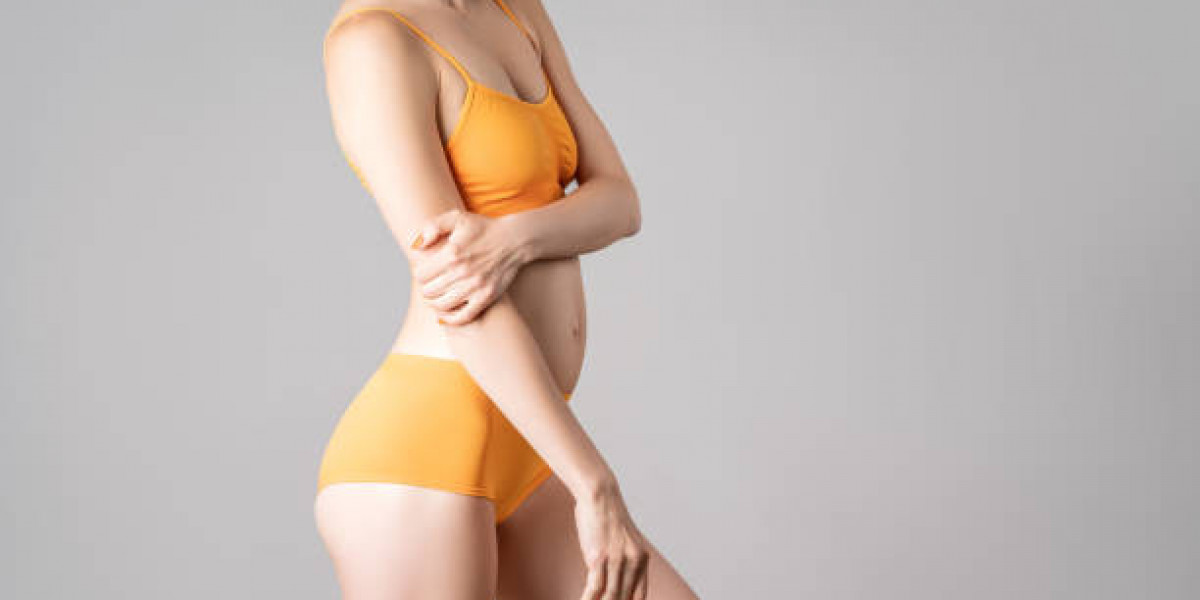

Many women have specific areas of stubborn fat that remain noticeable despite regular exercise and a balanced diet. These fat deposits may develop around the abdomen, thighs, hips, arms, or other parts of the body due to genetics, hormones, and natural changes in body composition. Liposuction is a cosmetic procedure designed to remove localized fat and improve body contours. Understanding how a Liposuction procedure in Riyadh (عملية شفط الدهون في الرياض) works can help women explore the treatment areas and determine whether this option suits their body goals.
Liposuction is not intended for overall weight loss. Instead, it focuses on reshaping selected areas to create smoother and more balanced proportions. Women may consider a Liposuction procedure in Riyadh to address areas where fat is resistant to lifestyle changes. The treatment plan is personalized according to body shape, skin elasticity, medical history, and individual expectations.
What Is Liposuction for Women?
Liposuction is a surgical body-contouring procedure that removes excess fat from specific areas beneath the skin. A surgeon uses a thin tube called a cannula to loosen and suction out targeted fat through small incisions.
For women, treatment may focus on one area or several connected areas, depending on the body's natural proportions and the desired outcome. The aim is to improve contour and balance rather than achieve a specific number on the weighing scale.
Liposuction does not treat visceral fat surrounding internal organs, significantly tighten loose skin, or replace healthy lifestyle habits.
Which Areas Can Women Contour With Liposuction?
Several areas of the female body can be considered for liposuction. The appropriate treatment areas depend on individual anatomy and professional assessment.
Abdomen and Belly
The abdomen is one of the common areas women consider for fat removal. Liposuction may target localized fat deposits in the upper and lower belly to create a smoother abdominal profile. It does not repair separated abdominal muscles or remove significant loose skin.
Waist and Love Handles
Fat around the waist and sides of the torso can affect the body's overall silhouette. Liposuction may reduce fullness in these areas and create a more defined waistline. The surgeon may assess the abdomen and flanks together to plan balanced contours.
Inner and Outer Thighs
Some women develop stubborn fat deposits on the inner or outer thighs. Inner thigh liposuction may reduce fullness between the legs, while outer thigh treatment may address saddlebag fat. The goal is to create smoother leg proportions without removing too much fat.
Hips
Localized fat around the hips can influence the transition between the waist and thighs. Carefully planned liposuction may improve these contours while preserving the body's natural shape.
Upper Arms
Fat accumulation around the upper arms can create a fuller appearance. Liposuction may reduce localized fat in suitable patients, particularly when the skin has enough elasticity to adapt to the new contour.
Back and Bra-Line Area
Some women notice fat deposits around the upper or lower back, including the area near the bra line. Liposuction may help smooth these areas and create a more balanced appearance from different angles.
Chin and Neck
Small fat deposits beneath the chin and around the neck can affect the jawline's definition. In selected patients, liposuction may reduce this localized fullness and create a more defined lower-face contour.
Knees
Fat around the inner or outer knees can affect the appearance of the lower thighs and legs. Carefully selected patients may benefit from targeted treatment to improve the transition between the thighs and knees.
Can Multiple Areas Be Treated During One Procedure?
In some cases, surgeons may treat more than one body area during the same operation. For example, the abdomen and flanks may be addressed together to improve waistline proportions. However, combining treatment areas is not appropriate for everyone.
The surgeon considers the patient's health, the total amount of fat to be removed, the expected operating time, and safety requirements. Treating fewer areas may sometimes be the more suitable option. A personalized assessment helps determine the safest approach.
Who Is a Suitable Candidate for Liposuction?
Women who are close to their target weight but have localized fat deposits may be potential candidates. Suitable patients generally have stable body weight, reasonable skin elasticity, good overall health, and realistic expectations.
Women who are pregnant, planning pregnancy soon, or experiencing significant weight changes should discuss the timing of treatment with a qualified medical professional. People with substantial loose skin may need to consider other procedures because liposuction alone does not remove excess skin.
A consultation is essential to review medical history, examine the treatment areas, and determine whether surgery is appropriate.
What Happens During the Liposuction Procedure?
The process begins with a consultation and treatment plan. The surgeon evaluates the areas of concern, discusses the desired contours, and explains the expected results and potential risks.
During surgery, anesthesia is administered according to the procedure and the patient's needs. Small incisions are made in selected areas, and a cannula is used to loosen and remove targeted fat. The incisions are then managed according to medical instructions.
The length of the procedure depends on the number of areas being treated and the complexity of the treatment plan.
What Is the Recovery Process Like?
Recovery varies depending on the treatment areas and the amount of fat removed. Common temporary effects include swelling, bruising, tenderness, and discomfort. A compression garment may be recommended to support healing and help manage swelling.
Patients should follow their surgeon's instructions about walking, wound care, medication, and returning to everyday activities. Heavy lifting and strenuous exercise should be avoided until the surgeon confirms they are safe.
Some changes may become noticeable as swelling decreases, but final contours can take several months to develop.
Are Liposuction Results Permanent?
Fat cells removed during liposuction generally do not return to the treated area. However, the remaining fat cells can enlarge if a person gains weight. Hormonal changes, pregnancy, aging, and other natural body changes may also influence body shape over time.
Maintaining a stable weight through balanced nutrition and regular physical activity can help preserve the results. Liposuction should be considered a body-contouring procedure rather than a substitute for long-term healthy habits.
What Are the Possible Risks?
Liposuction is a surgical procedure and carries potential risks, including infection, bleeding, fluid accumulation, uneven contours, scarring, changes in skin sensation, and complications related to anesthesia. Some patients may also experience prolonged swelling or irregularities in the treated areas.
Choosing a qualified surgeon, providing a complete medical history, and following pre- and post-operative instructions can help support safer treatment. Patients should understand the possible complications before deciding to proceed.
Book a Liposuction Consultation at Royal Clinic Saudia
If you want to explore body-contouring options, a professional consultation can help identify which areas may be suitable for treatment. At Royal Clinic Saudia (عيادات رويال كلينك), you can discuss your concerns, learn whether a Liposuction procedure in Riyadh may meet your goals, and receive guidance based on your body shape and medical history. A specialist can explain the treatment approach, expected recovery, potential benefits, and risks before you make a decision.
FAQs:
Which body areas are most commonly treated with liposuction in women?
Common treatment areas include the abdomen, waist, hips, thighs, upper arms, back, chin, and knees. The suitable areas depend on individual fat distribution and skin elasticity.
Can women get liposuction on multiple areas at once?
Yes, multiple areas may sometimes be treated during one operation. However, the decision depends on overall health, surgical safety, treatment complexity, and the amount of fat being removed.
Does liposuction help after pregnancy?
Liposuction may address localized fat deposits that remain after pregnancy, but it does not repair separated abdominal muscles or remove significant loose skin. Women should discuss appropriate timing and treatment options with a qualified surgeon.
Will liposuction change my natural body shape?
Liposuction can improve selected body contours by removing localized fat, but it does not completely change natural anatomy. Results depend on body proportions, skin quality, treatment planning, and individual healing.