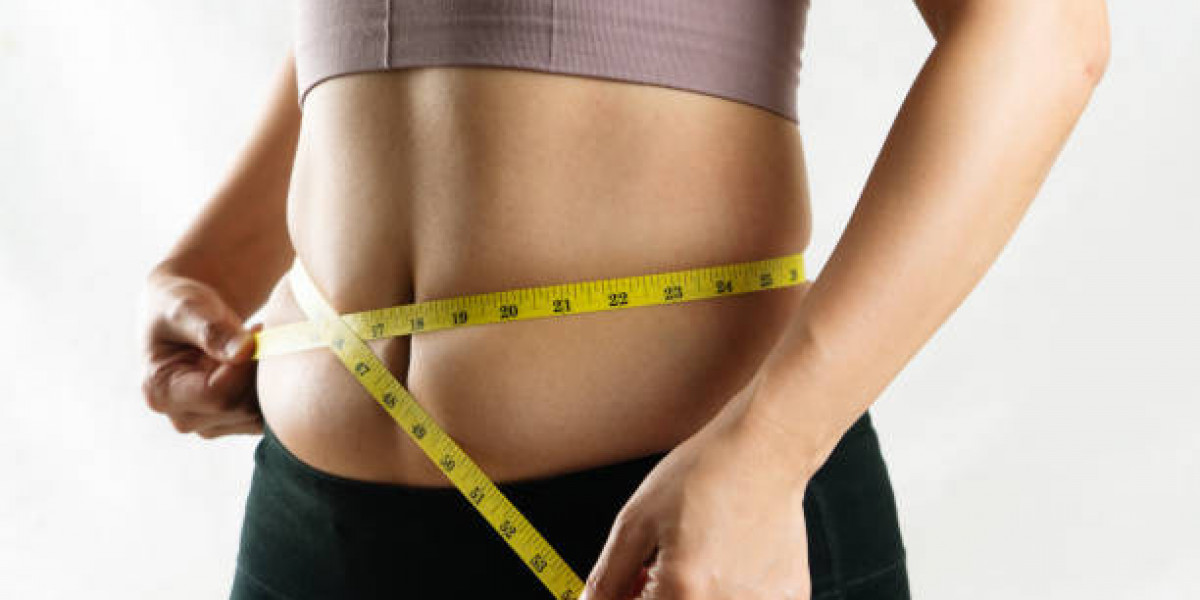

Achieving a more defined abdominal appearance involves more than simply reducing unwanted fat. Factors such as muscle development, fat distribution, skin elasticity, and overall body proportions can influence the final outcome. Understanding body composition is particularly important when considering how to get rid of belly fat, as each individual has different physical characteristics that may affect treatment planning and results. A personalized approach helps identify which areas require attention and whether abdominal contouring is an appropriate option.
What Is Body Composition and Why Does It Matter?
Body composition refers to the proportions of fat, muscle, bone, and other tissues that make up the body. Two people with similar body weight may have very different body compositions, which can influence how their abdominal areas look.
For example, someone with stronger abdominal muscles and a moderate amount of body fat may have a more defined waistline than someone with less muscle and a higher proportion of abdominal fat. This difference is important when selecting a suitable body-contouring approach.
Body composition can affect several aspects of abdominal appearance, including:
The amount and location of excess fat.
The visibility and definition of abdominal muscles.
The firmness and elasticity of the skin.
The balance between the waist, stomach, and surrounding areas.
Considering these factors helps create realistic treatment goals rather than focusing only on reducing measurements.
How Does Abdominal Fat Distribution Influence Contouring?
Fat is not distributed evenly throughout the body. Some individuals accumulate more fat around the upper abdomen, while others notice greater fullness in the lower stomach or along the waistline.
Subcutaneous fat is located directly beneath the skin and can contribute to visible abdominal fullness. Visceral fat, on the other hand, is stored deeper inside the abdomen around internal organs. These two types of fat have different characteristics and cannot be addressed through the same cosmetic methods.
Abdominal contouring procedures generally focus on suitable areas of subcutaneous fat rather than visceral fat. Therefore, a professional assessment is necessary to determine whether the visible abdominal fullness is related to localized fat, deeper abdominal fat, loose skin, or a combination of factors.
The Role of Muscle Development in Abdominal Definition
Muscle development can significantly influence the appearance of the stomach. Well-developed abdominal muscles may create a firmer and more structured appearance, while limited muscle tone can make the abdomen look less defined.
However, fat-reduction procedures do not strengthen or build abdominal muscles. They are designed to address selected fat deposits or excess tissue, depending on the treatment approach.
Individuals who combine appropriate exercise with healthy lifestyle habits may support their overall body composition and maintain a more balanced appearance. Before considering a cosmetic procedure, it is important to understand whether the primary concern is excess fat, reduced muscle tone, or both.
Can Skin Elasticity Affect the Final Results?
Skin elasticity is another important part of body composition and abdominal contouring. Skin that has good elasticity may adapt more effectively to changes in underlying volume. However, skin that has lost firmness may not contract sufficiently after fat reduction.
Factors that can influence skin quality include:
Age-related changes in collagen and elastin.
Pregnancy and significant changes in abdominal size.
Previous weight fluctuations.
Natural differences in skin structure.
The amount of excess skin already present.
When loose skin is a major concern, removing fat alone may not produce the desired contour. Some individuals may require an approach that also addresses excess skin. A consultation can help determine which option is more suitable based on individual anatomy.
How Body Weight and Fat Percentage Influence Treatment Planning
Body weight alone does not provide a complete picture of abdominal health or cosmetic suitability. A person with a higher body weight may have a different distribution of muscle and fat than someone with a lower weight.
For Belly Fat Removal in Riyadh, treatment planning should consider the location of stubborn fat deposits, overall health, skin condition, and personal expectations. Cosmetic fat-reduction procedures are generally intended for localized areas rather than serving as a replacement for weight management.
Maintaining a relatively stable weight before and after treatment can also help support consistent results. Significant weight changes may affect the abdominal area and alter the appearance achieved through contouring.
Why Personalized Assessment Is Important
No two individuals have exactly the same abdominal structure. Differences in fat distribution, muscle tone, skin quality, and body proportions mean that a single treatment approach may not be suitable for everyone.
During an assessment, a qualified medical professional may evaluate the thickness and location of subcutaneous fat, skin laxity, abdominal muscle condition, medical history, and desired outcome. These details help determine whether a non-surgical approach, a surgical procedure, or a different treatment strategy may be appropriate.
People exploring Belly Fat Removal in Riyadh should also discuss realistic expectations, possible limitations, recovery requirements, and potential risks before making a decision. A clear understanding of these factors supports informed treatment choices.
Maintaining Abdominal Contouring Results
Long-term results depend partly on lifestyle habits and individual changes in body composition. Although cosmetic procedures can address selected areas, they do not prevent future fat accumulation or replace healthy routines.
Helpful habits may include:
Following a balanced eating pattern with appropriate portions.
Including regular physical activity and strength training.
Maintaining a stable body weight.
Getting sufficient sleep and allowing time for recovery.
Following the medical professional's aftercare instructions.
These habits can support general health and help maintain a more consistent body shape over time.
Explore Personalized Abdominal Contouring at Royal Clinic Saudia
Body composition plays an important role in determining how the abdomen looks and which contouring approach may be suitable. Factors such as fat distribution, muscle development, skin elasticity, and overall proportions should all be considered before selecting a procedure. Individuals considering Belly Fat Removal in Riyadh can benefit from a professional assessment to understand their options and establish realistic goals. For personalized guidance and information about suitable abdominal contouring treatments, consult the specialists at Royal Clinic Saudia.




