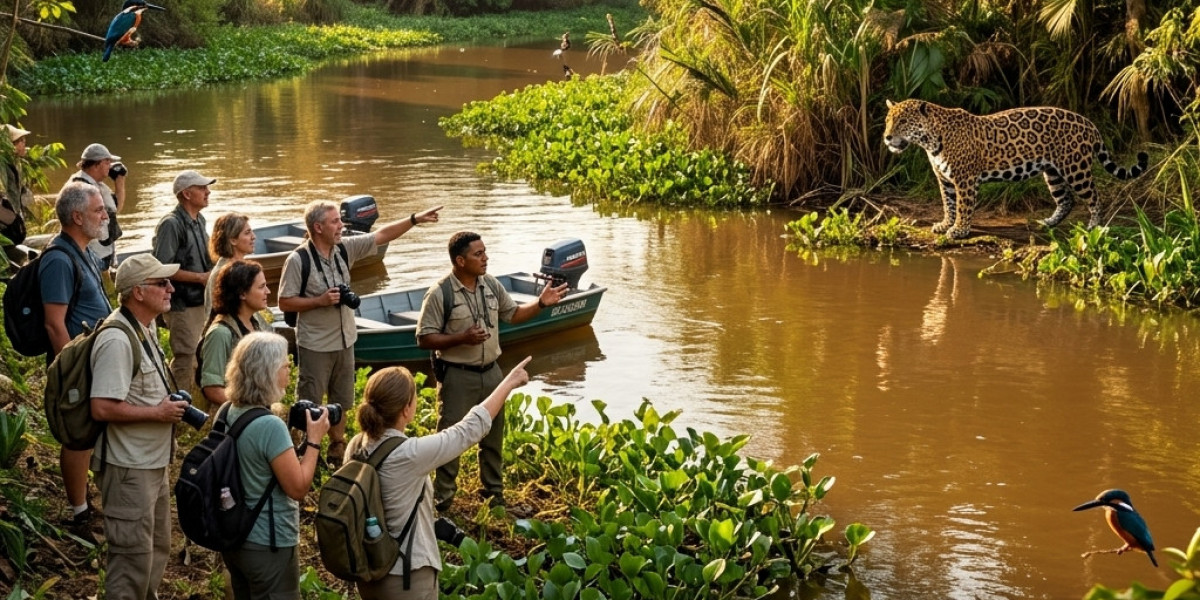

INTRODUCTION
South America Vacation Packages From India can include an unforgettable journey through Brazil's Pantanal wetlands, one of the most remarkable wildlife destinations on the continent. Known for its enormous floodplains, winding rivers, grasslands and extraordinary biodiversity, the Pantanal offers a different experience from the region's famous beaches, mountains and cities. Travellers can explore its natural surroundings through guided boat safaris, wildlife drives, birdwatching excursions and stays at traditional countryside lodges. The wetlands are home to fascinating species, including jaguars, capybaras, caimans, giant anteaters and colourful birds. For visitors interested in nature and photography, adding the Pantanal to a South American itinerary creates an opportunity to discover Brazil beyond its familiar tourist attractions.
Understanding the Pantanal Wetlands
The Pantanal is one of the world's largest tropical wetland ecosystems, located mainly in the Brazilian states of Mato Grosso and Mato Grosso do Sul, with the wider wetland region extending into neighbouring Bolivia and Paraguay.
Its landscape is shaped by an annual cycle of flooding and receding water. During the wetter months, rivers and lagoons expand across the plains, transforming large areas into interconnected waterways. As the water levels fall, animals become easier to observe around remaining rivers, lakes and waterholes.
The region contains a variety of natural environments, including seasonally flooded grasslands, forests, rivers and open wetlands. UNESCO recognises the Pantanal as an important biosphere reserve and has also designated the Pantanal Conservation Area as a World Heritage property.
Unlike a conventional city sightseeing holiday, a visit here focuses on observing nature and understanding the relationship between wildlife, water and local communities.
Wildlife Experiences in the Pantanal
One of the strongest reasons to include the Pantanal in a South American holiday is its extraordinary wildlife.
1. Spotting Jaguars in Their Natural Habitat
The jaguar is among the most exciting animals travellers hope to see in the Pantanal. The northern Pantanal, particularly the Porto Jofre region, is well known for boat-based jaguar observation.
Guided river excursions allow visitors to look for jaguars resting near riverbanks, moving through vegetation or hunting along the water. The dry season generally offers better opportunities because animals are more concentrated around accessible waterways.
However, jaguar sightings are never guaranteed. These are wild animals, and their movements depend on natural conditions. Responsible guides maintain suitable distances and follow wildlife-viewing rules to avoid disturbing them.
2. Observing Capybaras and Caimans
Capybaras and caimans are among the animals visitors may encounter during Pantanal excursions.
Capybaras, the world's largest rodents, are often seen in groups near water. They are well adapted to wetland environments and are frequently spotted grazing along riverbanks.
Caimans can be observed resting near the edges of rivers and lagoons. Boat excursions provide opportunities to watch these reptiles in their natural surroundings while guides explain their behaviour and role in the ecosystem.
3. Discovering Giant Anteaters and Other Mammals
The Pantanal is also home to giant anteaters, marsh deer, tapirs, monkeys and several other mammal species.
Some animals are more difficult to spot than others, so wildlife observation requires patience and a knowledgeable local guide. Early morning and late afternoon excursions can offer rewarding opportunities to look for animals when temperatures are more comfortable.
Travellers should remember that sightings vary according to location, season and weather.
Birdwatching in the Pantanal
The Pantanal is an exceptional destination for bird enthusiasts. Its wetlands, forests and grasslands provide habitats for numerous bird species.
Visitors may encounter:
Hyacinth macaws: Recognisable by their striking blue feathers and impressive size.
Jabiru storks: Large wading birds often associated with the Pantanal's wetlands.
Toucans: Colourful birds known for their distinctive bills.
Herons and egrets: Frequently observed near shallow waters and riverbanks.
Kingfishers: Birds that can sometimes be spotted near waterways while searching for fish.
Birdwatching excursions are often conducted with experienced guides who help identify species and explain their habitats. Photography enthusiasts can also enjoy observing birds feeding, flying or gathering near nesting areas.
How Can Travellers Explore the Pantanal?
The Pantanal offers several ways to experience its natural environment. The activities available depend on the region, season and accommodation selected.
1. Boat Safaris Along Rivers
Boat safaris are among the most memorable ways to explore the wetlands. Travellers can navigate rivers and smaller waterways while looking for birds, caimans, capybaras and other wildlife.
In the Porto Jofre area, specialised boat excursions are particularly popular for jaguar observation. Guides familiar with the waterways help identify suitable viewing locations.
The experience also provides an opportunity to appreciate the Pantanal's changing scenery, from open riverbanks to stretches of dense vegetation.
2. Wildlife Drives
Some lodges and rural properties organise guided wildlife drives in specially adapted vehicles.
These excursions travel through open grasslands, dirt tracks and areas near wetlands. Visitors may see grazing animals, birds and other wildlife along the route.
The experience is especially useful for travellers who want to explore different habitats without undertaking long hikes.
3. Guided Nature Walks
Nature walks provide a closer look at the Pantanal's plants, smaller wildlife and surrounding landscapes.
With a local naturalist or trained guide, visitors can learn about native vegetation, animal tracks, insects and the seasonal changes that influence the ecosystem.
Walking routes and availability depend on local conditions, water levels and safety guidance.
4. Staying at a Traditional Pantanal Lodge
A stay at a countryside lodge or working ranch can make the experience more immersive. Many properties offer accommodation alongside guided nature activities, regional meals and opportunities to learn about local traditions.
Depending on the property, guests may be able to enjoy horseback riding, birdwatching, photographic safaris and evening wildlife excursions.
These stays also introduce travellers to the region's rural lifestyle and its close relationship with the natural environment.
Including the Pantanal in a South American Itinerary
The Pantanal is located in central-western Brazil, so reaching it requires some regional travel planning.
For many international visitors, Cuiabá is a practical gateway to the northern Pantanal. From there, road transfers can take travellers towards Poconé and the Transpantaneira route, which provides access to several lodges and wildlife areas.
The southern Pantanal can be explored through destinations such as Corumbá and other towns in Mato Grosso do Sul. The best entry point depends on the chosen lodge, activities and travel schedule.
An itinerary from India could begin with an international arrival in Brazil, followed by domestic connections to the appropriate gateway. Travellers may then spend several days exploring the wetlands before continuing to another destination.
Possible combinations include:
Pantanal and Rio de Janeiro: Combine wildlife experiences with beaches, city attractions and famous viewpoints.
Pantanal and Iguazu Falls: Experience the wetlands before visiting the spectacular waterfalls on the Brazil-Argentina border.
Pantanal and the Amazon: Discover two different ecosystems, each with distinctive wildlife and landscapes.
Pantanal and Buenos Aires: Combine a Brazilian nature experience with the culture, architecture and food of Argentina.
The number of destinations should depend on the total holiday duration and available flight connections.
Why Choose South America Vacation Packages From Mumbai for a Pantanal Journey?
For travellers departing from Mumbai, a wildlife-focused Brazilian holiday requires careful coordination of international flights, domestic connections, accommodation and guided excursions.
South America Vacation Packages From Mumbai can be planned to include the Pantanal as a dedicated nature extension rather than a brief stop between major cities.
A thoughtfully organised itinerary should consider the following:
International flights and suitable connections to Brazil.
Domestic travel to Cuiabá or another appropriate regional gateway.
Transfers to the selected lodge or wildlife area.
Accommodation with access to guided nature activities.
Boat safaris, wildlife drives and birdwatching experiences.
Enough time for rest and possible weather-related changes.
Travellers should also check passport validity, visa requirements and current entry regulations before departure. Travel insurance and suitable health preparations are important for a remote nature-based holiday.
Best Time to Visit the Pantanal
The Pantanal can be visited during different parts of the year, but the experience changes considerably with the water cycle.
Dry Season: May to September
The dry season is generally popular for wildlife observation. As water levels fall, animals become more concentrated around rivers and permanent water sources.
The period from July to October is particularly well regarded for jaguar-viewing excursions in the Porto Jofre area, although sightings remain dependent on natural conditions.
This season is often suitable for travellers who prioritise wildlife photography and animal observation.
Rainy Season: October to April
During the rainy season, the wetlands become greener and water spreads across larger areas of the floodplain. The landscape can be especially attractive for photography and observing the changing wetland environment.
However, heavy rainfall may affect road access and some land-based activities. Boat travel can become more important in certain areas.
The exact timing of seasonal changes differs between northern and southern parts of the Pantanal. Travellers should confirm local conditions with their lodge or tour operator before choosing dates.
Including South America Group Tour Packages in a Wildlife Holiday
Travelling through the Pantanal can be an enjoyable group experience when the itinerary is designed around shared interests and suitable activities.
South America Group Tour Packages can combine wildlife observation with cultural sightseeing and other natural attractions. Group members can explore the wetlands with local guides, share boat excursions and learn about the region's biodiversity together.
A group itinerary may include:
Arrival in Brazil and transfer to the selected Pantanal gateway.
Travel to a wildlife lodge or countryside property.
Guided boat safaris and wildlife observation.
Birdwatching, nature walks or photographic drives.
Time to enjoy local food and learn about regional traditions.
Return to the gateway city before continuing the wider South American journey.
For travellers who prefer an organised holiday, group arrangements can simplify transfers, accommodation coordination and activity planning. It is important to check the group size, included excursions, accommodation standards and physical requirements before booking.
Responsible Tourism and Wildlife Conservation
The Pantanal is an ecologically important landscape, and responsible tourism plays a role in supporting its long-term protection.
Visitors should follow their guides' instructions, avoid feeding wild animals and maintain appropriate distances when observing wildlife. Loud noises, sudden movements and attempts to attract animals can disturb their natural behaviour.
Choosing responsible local operators and accommodation providers can also support conservation awareness and regional communities.
Travellers should avoid leaving litter, respect designated routes and follow rules concerning protected areas. The objective should be to observe wildlife without interfering with its natural environment.
It is also important to understand that access rules differ across the Pantanal. For example, visits to Pantanal Matogrossense National Park are subject to specific authorisation arrangements, and the park does not have the same visitor infrastructure as many established lodge areas. A trip to the wider Pantanal region should not automatically be assumed to include entry into this particular national park.
Conclusion
A journey through the Pantanal wetlands can add an extraordinary wildlife dimension to a South American holiday. From jaguar-viewing excursions and colourful birdlife to river safaris and traditional countryside lodges, the region offers experiences that are very different from conventional sightseeing. The right travel season, suitable accommodation and experienced local guides can help visitors make the most of their time in this remarkable ecosystem. Anubhav Vacations can help travellers plan a well-organised South American journey that includes the Pantanal alongside other memorable destinations in the region.
Frequently Asked Questions
1. Can a South American holiday include a journey through the Pantanal wetlands?
Yes. A South American itinerary can include several days in the Pantanal, with guided wildlife drives, boat safaris, birdwatching and stays at nature lodges. The wetlands can also be combined with destinations such as Rio de Janeiro and Iguazu Falls.
2. Which animals can travellers see in the Pantanal?
The Pantanal is home to jaguars, capybaras, caimans, giant anteaters, marsh deer, tapirs and many bird species. Wildlife sightings depend on the season, location and natural conditions.
3. What is the best season for visiting the Pantanal?
May to September is generally a popular period for wildlife observation because animals gather near remaining water sources. July to October is particularly favourable for jaguar-viewing excursions in some northern Pantanal areas.
4. How can travellers from Mumbai reach the Pantanal?
Travellers generally fly to Brazil with suitable international connections and then take a domestic flight to a regional gateway such as Cuiabá. Road transfers from the gateway connect visitors with lodges and wildlife areas.
5. Can South America Group Tour Packages From India include Pantanal wildlife safaris?
Yes. South America Group Tour Packages From India can include guided Pantanal wildlife safaris, boat excursions, birdwatching and lodge stays, depending on the itinerary, season, group size and availability of local services.