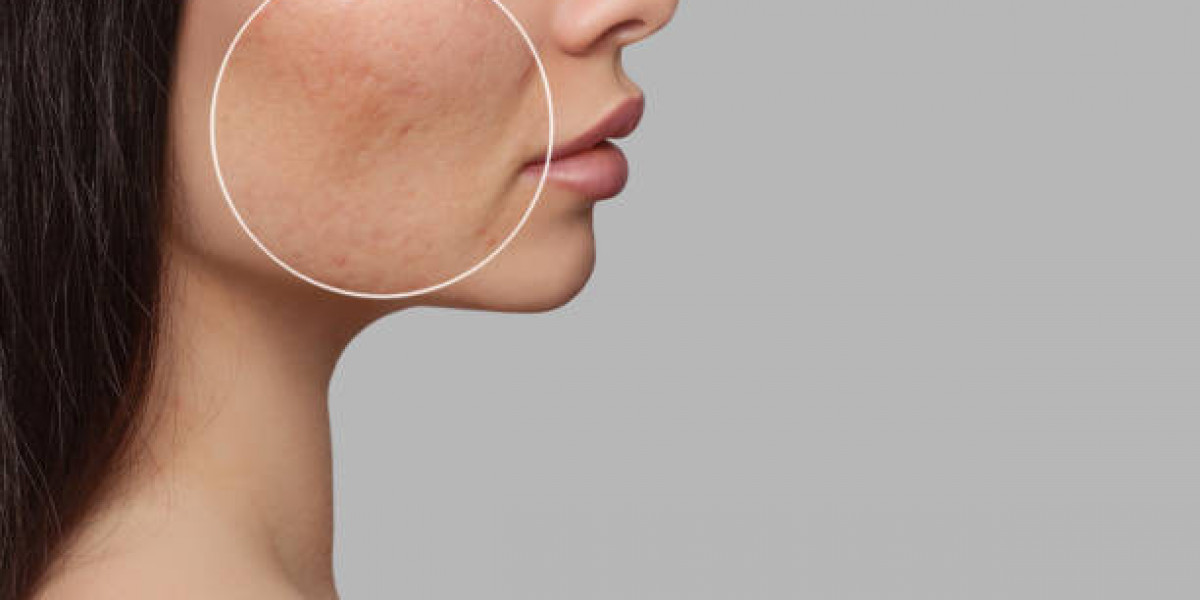

If you've carried acne scars for years—or decades—you may have accepted them as permanent features of your face. But long-standing scars aren't beyond improvement. Adults with mature scars often wonder whether treatment is still worthwhile, whether results differ for older scars, and whether the investment justifies the outcome. Laser Acne Scar Treatments in Riyadh The honest answer is that long-standing scars can still improve significantly with laser treatment—though expectations and approaches may differ from those for newer scars. This guide explains what adults with mature scars should know.
Why Long-Standing Scars Behave Differently
Acne scars mature over time. Collagen remodeling continues for months to years after acne clears, and scars may soften or change slightly. By the time scars are years old, they've typically stabilized—the collagen structure is set, and spontaneous improvement is unlikely. This stability means laser treatment faces mature scar tissue rather than actively remodeling tissue. Results are still achievable, but the approach may need to be more intensive or combined with other modalities.
Can Old Scars Still Improve?
Yes—significantly. Laser treatment works by stimulating collagen remodeling, and mature scar tissue still responds to this stimulation. The collagen in old scars can be reorganized and new collagen produced, improving texture and reducing depth. Many adults with decades-old scars see meaningful improvement after a full course of treatment. The key is realistic expectations: improvement, not elimination—and often requiring multiple sessions and combination approaches.
Expectations for Mature Scars
Realistic expectations for long-standing scars include softer texture, reduced depth, more even tone, and improved overall appearance—typically 40–70% improvement, though this varies widely. Complete elimination is uncommon, especially for deep or complex scars. Adults who expect meaningful improvement are typically satisfied; those who expect flawless skin may feel disappointed. Honest consultation sets the right expectations for mature scars.
The Role of Combination Treatments
Long-standing scars often benefit from combination approaches. Lasers resurface and stimulate collagen; subcision releases tethered scars; fillers add volume to depressed areas; microneedling enhances collagen production. For mature scars—particularly rolling or boxcar types—combining modalities often produces better results than lasers alone. Your provider may recommend a multi-modal plan tailored to your scar types and skin.
Skin Changes With Age
Adult skin differs from younger skin: collagen production declines, elasticity decreases, and healing may be slower. These changes affect treatment planning. Older skin may require gentler settings, more spacing between sessions, and longer healing windows. Providers experienced with mature skin adjust protocols accordingly. Age doesn't disqualify you from treatment—it shapes the approach.
Medical History and Cumulative Factors
Adults may have accumulated medical history—medications, skin conditions, previous treatments—that affects laser treatment. A history of keloids, rosacea, or photosensitivity requires consideration. Previous aesthetic treatments—peels, lasers, surgery—may affect timing or approach. A thorough assessment accounts for these cumulative factors, ensuring safe and appropriate treatment.
Setting Goals for Mature Scars
Goals for long-standing scars should focus on improvement, not restoration. Instead of "I want my teenage skin back," think "I want my scars to be less noticeable." Instead of "I want perfect texture," think "I want smoother skin that I feel better about." These realistic goals align with what treatment can achieve—and protect satisfaction. Discuss your goals honestly with your provider.
The Time Investment
Long-standing scars may require more sessions than newer scars—often six to ten or more, depending on severity and combination approaches. Treatment may span a year or longer. This investment—time, sessions, aftercare—is significant. Adults considering treatment should weigh the commitment against expected improvement. For many, the improvement justifies the investment; for others, it may not. Honest assessment helps you decide.
Is It Worth It?
Only you can answer whether treatment is worth it—but the answer depends on realistic expectations. If meaningful improvement would positively affect your confidence and quality of life, treatment may be worthwhile. If you expect complete elimination, you may be disappointed. Discuss expected outcomes with your provider, review before-and-after examples of mature scars, and make an informed decision based on your goals and circumstances.
Questions to Ask During Consultation
Ask: Can long-standing scars still improve with laser treatment? What improvement is realistic for my scar types and age? Will I need combination treatments? How many sessions will I need? What are the risks for my skin? A provider who answers specifically—referencing your mature scars—demonstrates the experience that realistic treatment planning requires.
When to Seek Professional Guidance
If you have long-standing scars and are considering treatment, professional assessment is essential. A consultation can evaluate your scars and recommend an appropriate plan. For personalized guidance on laser acne scar treatments for mature scars, a consultation with qualified professionals offers clarity and direction.
Final Thoughts: Never Too Late
Long-standing acne scars aren't beyond improvement. Laser treatment can stimulate collagen remodeling in mature scar tissue, producing meaningful improvement—often 40–70%—though complete elimination is uncommon. Adults with realistic expectations, commitment to multiple sessions, and openness to combination approaches can achieve results worth the investment. It's never too late to improve your skin—but realistic expectations make the journey worthwhile.
Book an Appointment Consultation Clinic
For those seeking expert guidance and customized aesthetic care, you can book an appointment consultation at the Enfield Royal Riyadh.
FAQs
Can old acne scars still improve with laser treatment?
Yes—mature scar tissue responds to collagen stimulation; meaningful improvement is achievable.
Do older scars need more sessions?
Often yes—long-standing scars may require six to ten or more sessions, sometimes with combination treatments.
What improvement is realistic for mature scars?
Typically 40–70% improvement in appearance—softer texture, reduced depth—though complete elimination is uncommon.
Does age affect laser scar treatment?
Older skin may require gentler settings and longer healing, but age doesn't disqualify you from treatment.
Are combination treatments better for old scars?
Often yes—lasers combined with subcision, fillers, or microneedling can produce better results for mature scars.