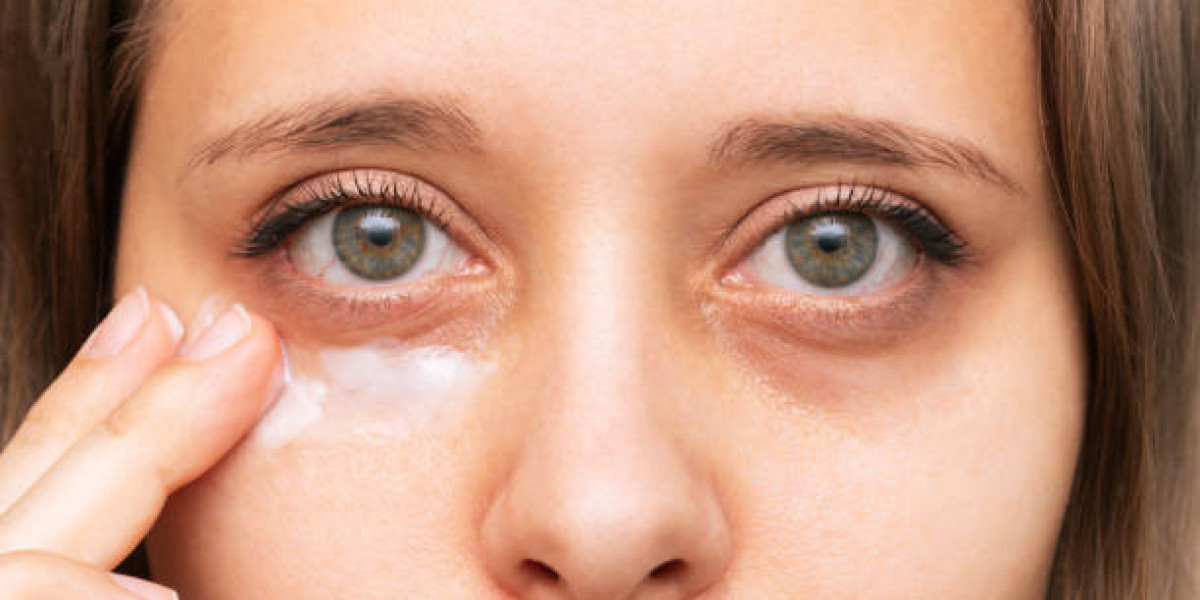

Dark pigmentation beneath the eyes can make the face appear tired, even when you feel well-rested. For people dealing with uneven skin tone, chemical peels may be one option worth exploring. These treatments work by exfoliating the outer layers of the skin, helping improve certain types of pigmentation and supporting a smoother-looking complexion. However, the delicate under-eye area requires special care, and not every type of dark circle responds to a peel. Choosing the right approach is an important part of achieving natural-looking results with Dark Circles Treatment in Riyadh.
Chemical peels use carefully selected exfoliating ingredients to encourage the removal of damaged surface cells and support skin renewal. When pigmentation is concentrated in the superficial layers, a professionally selected peel may help make the under-eye area look brighter and more even. However, results depend on the cause, depth, and severity of the pigmentation. A personalised assessment can help determine whether a peel is appropriate or whether another treatment would be more suitable.
What Causes Under-Eye Pigmentation?
Under-eye darkness can develop for several reasons, and pigmentation is only one possible cause. Understanding the underlying issue helps prevent choosing a treatment that does not address the actual concern.
Excess Melanin Production
Melanin is the natural pigment responsible for skin colour. When the skin produces excess melanin around the eyes, the area may appear brown or darker than the surrounding skin. Sun exposure, hormonal changes, genetics, and inflammation can contribute to this type of pigmentation.
Post-Inflammatory Hyperpigmentation
Rubbing the eyes, allergic reactions, eczema, or irritation from skincare products may trigger inflammation. In some people, this inflammation leaves darker marks behind, known as post-inflammatory hyperpigmentation. Treating the original irritation is important before considering exfoliating procedures.
Genetics and Skin Characteristics
Some individuals naturally have darker pigmentation around their eyes. Others have thin under-eye skin that makes blood vessels more visible, creating a bluish or purplish appearance. These concerns may not improve significantly with a chemical peel because they are not caused by excess surface pigment.
How Can Chemical Peels Help Reduce Under-Eye Pigmentation?
Chemical peels use controlled exfoliation to remove some of the outermost skin cells. Depending on the formulation and depth, this process may help reduce superficial pigmentation and improve uneven skin tone.
Removing Pigmented Surface Cells
When excess pigment is present in the upper layers of the skin, a suitable peel may help gradually reduce its appearance. As pigmented surface cells shed, the under-eye area may look more uniform. This benefit is most relevant to selected cases of superficial pigmentation rather than structural shadows or visible blood vessels.
Supporting Skin Renewal
Some professional peel formulations encourage skin renewal, helping improve the appearance of rough or dull skin. A qualified practitioner can select an appropriate formulation and strength based on skin sensitivity, pigmentation, and individual treatment goals.
Improving Overall Skin Appearance
In carefully selected cases, exfoliation may help the under-eye area appear smoother and brighter. However, chemical peels do not restore lost facial volume, remove deep hollows, or treat every cause of dark circles.
Which Chemical Peels May Be Considered for the Under-Eye Area?
The skin around the eyes is thinner and more sensitive than many other facial areas. Therefore, treatments must be selected carefully and performed by an appropriately qualified professional.
Lactic Acid Peels
Lactic acid is an alpha-hydroxy acid known for its exfoliating properties. In carefully selected formulations, it may help improve superficial uneven skin tone. Its suitability around the eyes depends on the concentration, formulation, and individual skin condition.
Mandelic Acid Peels
Mandelic acid is another alpha-hydroxy acid used in professional exfoliating treatments. Its properties may make it an option for certain pigmentation concerns, but this does not mean it is automatically safe for the delicate under-eye area. Professional assessment is essential.
Other Professional Peel Formulations
Some practitioners may consider specialised formulations for pigmentation, depending on the patient's skin type and medical history. Not every facial peel is suitable for use near the eyes, and stronger products can cause irritation or worsen discoloration.
Who May Benefit From Chemical Peels?
Chemical peels may be considered for individuals whose under-eye darkness is mainly caused by superficial pigmentation. A professional consultation can help identify whether the concern is pigment-related or linked to another factor.
Potential candidates may include people who:
Have brownish discoloration associated with excess melanin.
Experience mild post-inflammatory pigmentation after the original irritation has settled.
Have uneven skin tone around the eyes.
Want to explore professionally supervised options for improving superficial pigmentation.
People with active eczema, dermatitis, infections, significant irritation, or a history of problematic reactions may need to avoid or postpone treatment. Those with darker skin tones also require careful assessment because inflammation from an unsuitable peel may trigger post-inflammatory hyperpigmentation.
What Are the Risks of Chemical Peels Under the Eyes?
Although chemical peels can improve selected pigmentation concerns, the under-eye area is particularly delicate. Incorrect product selection, excessive strength, or poor application technique can cause unwanted effects.
Possible risks include:
Redness, dryness, stinging, or irritation.
Excessive peeling or temporary sensitivity.
Chemical burns if the product is unsuitable or improperly applied.
Increased pigmentation following inflammation.
Accidental injury if the product enters the eyes.
Eye protection, appropriate product selection, and professional application are essential. Strong at-home peels should not be used around the eyes. Anyone experiencing significant pain, blistering, swelling, or changes in vision after a chemical peel should seek urgent medical attention.
Are Chemical Peels Better Than Other Dark Circle Treatments?
Not necessarily. The most appropriate treatment depends on what is causing the darkness.
Topical Pigmentation Treatments
Selected skincare ingredients may help manage superficial pigmentation over time. A practitioner may recommend suitable products while considering the sensitivity of the under-eye area. Daily sun protection is also important because ultraviolet exposure can worsen pigmentation.
Laser Treatments
Certain laser technologies may be considered for specific pigment-related concerns. However, suitability depends on the type of pigmentation, skin tone, device, and risk of post-inflammatory hyperpigmentation. Proper eye protection is essential during treatment.
Under-Eye Fillers
When darkness is mainly caused by tear-trough hollowness and shadows, carefully selected patients may benefit from under-eye fillers. Fillers do not remove excess pigment. They also carry important risks, including swelling, lumps, vascular blockage, and rare but serious vision-threatening complications. Treatment should only be considered with a highly qualified and experienced medical professional.
PRP Treatments
Platelet-rich plasma (PRP) may be considered for selected skin-quality concerns, but evidence for improving dark circles remains variable and limited. It is not a guaranteed treatment for pigmentation, visible blood vessels, or structural shadows.
How to Maintain Results After Treatment
Following professional advice can help protect the delicate under-eye area and reduce the likelihood of irritation or recurring pigmentation.
Apply a broad-spectrum sunscreen as directed, taking care around the eyes.
Wear sunglasses to reduce direct sun exposure.
Avoid rubbing or scratching the under-eye skin.
Use gentle skincare products suitable for sensitive skin.
Manage allergies or skin conditions that cause inflammation.
Follow the recommended aftercare instructions and avoid additional exfoliation until the skin has recovered.
Consistency matters because pigmentation can return or become more noticeable when contributing factors remain.
Explore Dark Circles Treatment in Riyadh at Royal Clinic Saudia
Chemical peels may help improve selected cases of superficial under-eye pigmentation, but they are not suitable for every type of dark circle. Identifying whether the concern is caused by excess pigment, thin skin, visible blood vessels, or facial hollowness is an important first step.
Royal Clinic Saudia offers personalised aesthetic consultations to discuss your concerns and explore possible treatment options. Book an appointment to discuss your under-eye pigmentation and find out which approach may be appropriate for your skin.
FAQs:
Can chemical peels completely remove under-eye pigmentation?
Chemical peels may help reduce some types of superficial pigmentation, but complete removal cannot be guaranteed. Results depend on the cause, depth, skin type, and treatment suitability.
Are chemical peels safe for the delicate skin under the eyes?
Some professionally selected formulations may be considered for this area, but the skin is particularly sensitive. Treatment should only be performed by a qualified professional using appropriate products and eye protection.
How many chemical peel sessions may be needed for under-eye pigmentation?
The number of sessions varies according to the pigmentation and individual response. A practitioner should determine the treatment schedule after assessing the skin and allowing sufficient recovery between sessions.
Can chemical peels treat genetic dark circles?
Chemical peels are unlikely to significantly improve dark circles caused mainly by genetics, thin skin, visible blood vessels, or facial structure. A consultation can help identify more appropriate options.