
Hormonal hair loss is a common concern that can affect both men and women at different stages of life. Changes in hormone levels can disrupt the natural hair growth cycle, leading to excessive shedding, gradual thinning, or reduced hair density. Some people notice a widening hair part, while others experience a receding hairline or thinning around the crown. Identifying the underlying hormonal imbalance is an important first step toward choosing an appropriate Hair Loss Treatment in Riyadh. With the right medical assessment and treatment plan, many people can manage hormonal hair loss and support healthier hair growth.
Hormones influence several functions in the body, including the development and activity of hair follicles. Androgens, thyroid hormones, estrogen, and other hormonal changes can affect how long hair remains in its growth phase. Conditions such as polycystic ovary syndrome (PCOS), thyroid disorders, menopause, and genetic sensitivity to certain hormones may contribute to hair thinning. Choosing Hair Loss Treatment in Riyadh requires understanding which hormonal factors are involved, because treatment varies according to the cause, symptoms, and overall health of each individual.
What Is Hormonal Hair Loss?
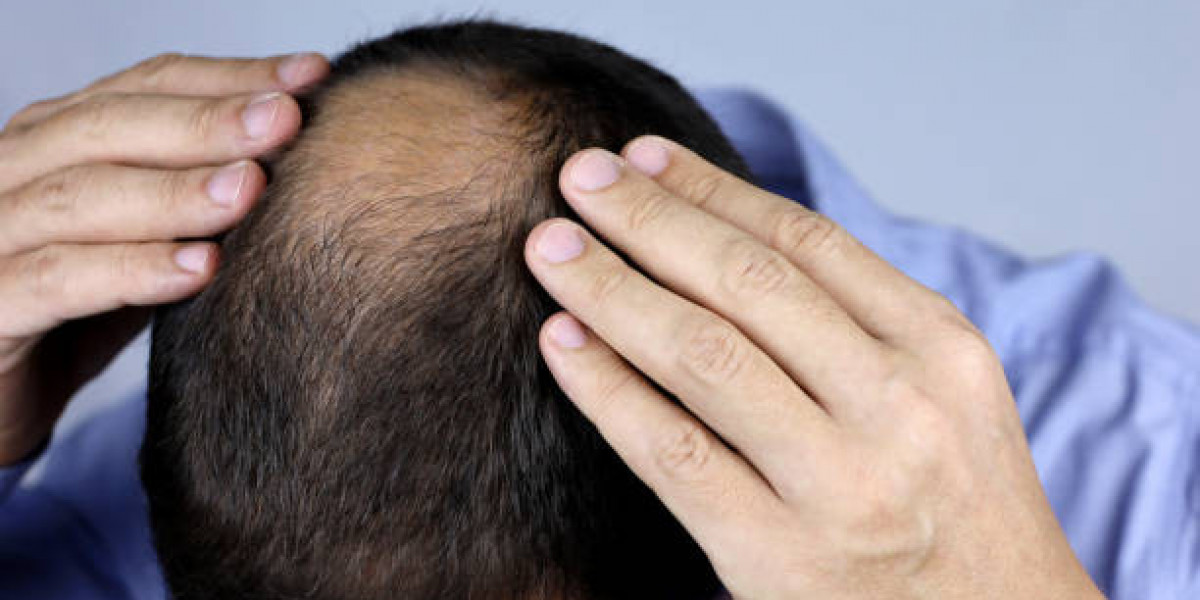
Hormonal hair loss occurs when changes in hormone levels or sensitivity to particular hormones interfere with normal hair growth. Hair follicles naturally pass through growth, transition, resting, and shedding phases. When hormonal changes disrupt this cycle, more hair may enter the shedding phase or follicles may gradually produce thinner strands.
The pattern of hair loss can differ between individuals. Some experience diffuse thinning across the scalp, while others notice changes around the temples, hairline, or crown. Hormonal hair loss may also occur alongside acne, irregular menstrual cycles, changes in weight, or other symptoms depending on the underlying condition.
What Causes Hormonal Hair Loss?
Androgen Sensitivity and DHT
Dihydrotestosterone (DHT) is a hormone produced from testosterone. In people who are genetically sensitive to DHT, it can gradually shrink certain hair follicles. This process, known as follicle miniaturization, causes hair to become finer and shorter over time. It is a major factor in male pattern hair loss and can also contribute to female pattern hair loss.
Polycystic Ovary Syndrome (PCOS)
PCOS can involve higher androgen levels, which may contribute to thinning hair on the scalp. Women with PCOS may also experience acne, irregular periods, or increased facial and body hair. A medical evaluation can help determine whether hormonal changes associated with PCOS are contributing to hair loss.
Thyroid Disorders
Both an underactive thyroid and an overactive thyroid can affect the hair growth cycle. Some people experience diffuse shedding, dry hair, or changes in hair texture. Treating the thyroid condition may help improve hair health over time, although recovery varies.
Pregnancy and Menopause
Hormonal fluctuations during and after pregnancy can temporarily increase hair shedding. Menopause can also change estrogen and androgen levels, potentially contributing to gradual thinning in some women. These changes may overlap with hereditary hair loss, making professional assessment useful.
Other Hormonal Changes
Changes associated with certain medications, medical conditions, or hormonal treatments may influence hair growth. Hormonal causes should be considered alongside nutritional deficiencies, stress, illness, and scalp conditions.
What Are the Common Signs of Hormonal Hair Loss?
Recognizing the symptoms can help individuals seek timely advice. Common signs include:
Gradual thinning across the top of the scalp.
A widening hair part or reduced hair volume.
A receding hairline or thinning around the temples.
Increased shedding during brushing or washing.
Hair strands becoming finer and weaker.
Hair thinning accompanied by acne, irregular periods, or unexplained weight changes.
Sudden, patchy, or rapidly progressing hair loss should not automatically be attributed to hormones. Other medical and scalp conditions may require different treatment.
How Is Hormonal Hair Loss Diagnosed?
Diagnosis begins with a review of medical history, symptoms, family history, medications, and the pattern of hair thinning. A dermatologist may examine the scalp and use a dermatoscope to look for differences in hair thickness and signs of follicle miniaturization.
Depending on the symptoms, blood tests may be recommended to assess thyroid function, iron levels, or other possible causes. Women with symptoms of PCOS or androgen excess may need additional hormonal evaluation. Testing should be selected according to the individual's medical history rather than performed unnecessarily.
What Are the Most Effective Treatments for Hormonal Hair Loss?
Minoxidil
Topical minoxidil is an established treatment for certain types of pattern hair loss in both men and women. It can help support hair growth and improve density in suitable patients. Consistent use is usually needed, and results may take several months to become noticeable. A healthcare professional can advise on the appropriate formulation and possible side effects.
Finasteride and Other Prescription Treatments
Finasteride reduces the conversion of testosterone into DHT and may help manage male pattern hair loss. It is not suitable for everyone and requires medical guidance because of possible side effects and important pregnancy-related precautions.
For selected women with androgen-related hair thinning, a doctor may consider other prescription medicines, such as anti-androgen treatments. These are not appropriate for everyone and may require monitoring and pregnancy-prevention precautions.
Treating the Underlying Hormonal Condition
When hair loss is associated with a thyroid disorder, PCOS, or another hormonal condition, managing that condition is an important part of treatment. Appropriate medical care may help reduce ongoing shedding, although hair recovery can take time and may not be complete.
Platelet-Rich Plasma (PRP) Therapy
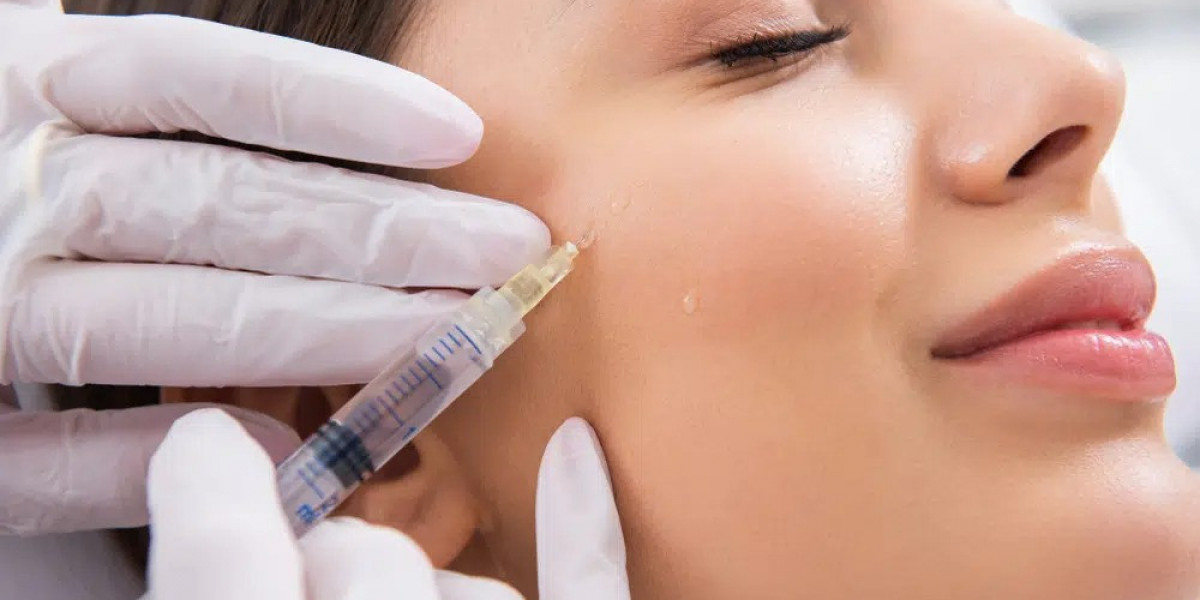
PRP therapy involves preparing a concentrated portion of the patient's own blood and injecting it into selected scalp areas. Some research suggests it may improve hair density in people with pattern hair loss. However, results vary, and PRP does not correct an underlying hormonal imbalance.
Low-Level Laser Therapy
Low-level laser therapy uses controlled light energy to stimulate cellular activity in the scalp. Certain devices have shown promising results for pattern hair loss, but they require consistent use and may not be suitable for every cause of hormonal shedding.
Can Hormonal Hair Loss Be Reversed?
Some forms of hormonal hair loss can improve when the underlying condition is treated. For example, hair shedding associated with thyroid problems or temporary hormonal changes may gradually decrease after the cause is addressed. Pattern hair loss related to genetic sensitivity to DHT is usually progressive, but suitable treatments can help slow thinning and improve hair density in some individuals.
The likelihood of regrowth depends on the condition of the follicles, how long hair loss has been present, and the response to treatment. Early assessment can help identify options before significant follicle miniaturization occurs.
How Can You Support Healthy Hair Growth?
A balanced diet containing sufficient protein, iron, and other essential nutrients supports normal hair function. Avoid extreme dieting, manage stress, maintain a gentle hair-care routine, and seek medical advice for persistent scalp irritation or excessive shedding. Supplements should only be used when a deficiency or specific need has been identified.
Book a Hair Consultation at Royal Clinic Saudia
Managing hormonal hair loss starts with identifying the underlying cause and selecting an appropriate treatment approach. At Royal Clinic Saudia, individuals can discuss changes in hair density, scalp health, and available hair restoration options. A professional consultation can help establish realistic expectations and guide a personalized plan based on individual needs.
FAQs:
Can hormonal hair loss grow back?
Hair may regrow when temporary hormonal changes or an underlying medical condition are successfully managed. Hereditary pattern hair loss may require ongoing treatment to maintain improvements.
Which hormone is responsible for hair loss?
Several hormones can influence hair growth. DHT is strongly associated with hereditary pattern hair loss, while thyroid hormones, estrogen, and androgens can also affect the hair cycle.
How long does it take to treat hormonal hair loss?
The timeline depends on the cause and treatment. Hair growth changes are gradual, and improvements may take several months after the underlying issue is addressed.
Does hormonal hair loss affect both men and women?
Yes. Men and women can both experience hormonal hair loss. The causes and patterns may differ, so diagnosis and treatment should be tailored to the individual.