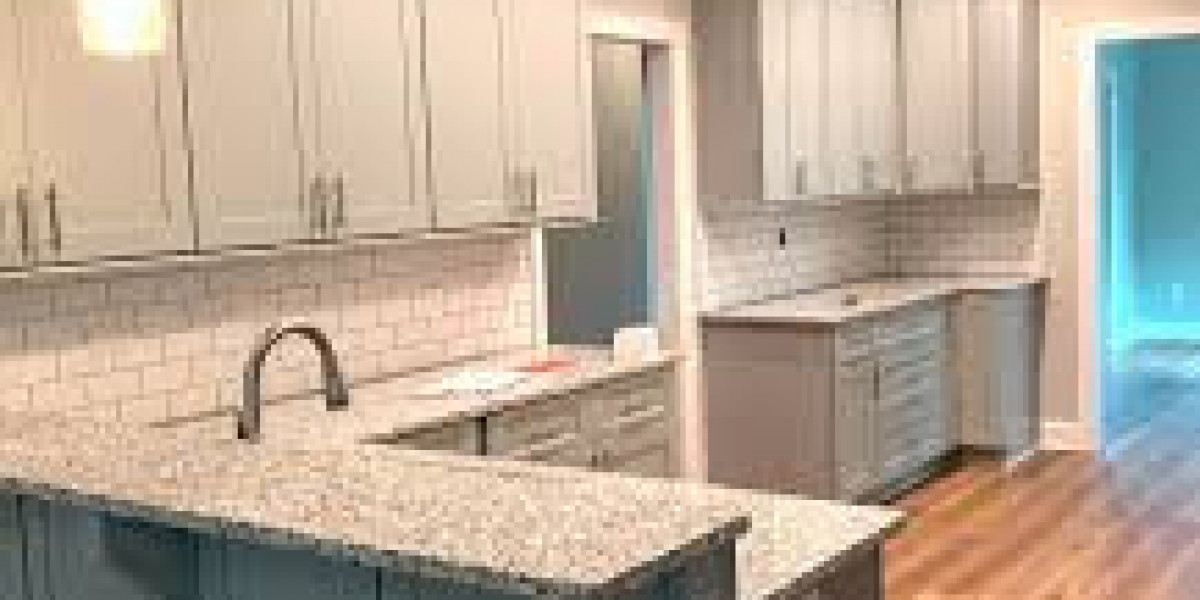

Finding the right Home Remodeling Contractor in Huntsville, AL is an important step when planning to improve your property's appearance, comfort, functionality, and value. Whether you want to renovate an outdated kitchen, upgrade your bathroom, replace old flooring, or transform your entire house, professional planning and quality workmanship can make a significant difference. A successful remodeling project requires more than selecting attractive materials. It also involves budgeting, evaluating the existing structure, choosing suitable designs, obtaining necessary permits, and coordinating different stages of construction.
Homeowners considering renovation should understand the available remodeling options and how to select qualified professionals. Working with a Professional Home Remodeling Contractor Huntsville AL can help organize the project, manage construction activities, and address potential problems before they become expensive issues. This guide explains the remodeling process step by step, compares different renovation options, and provides estimated pricing to help homeowners make informed decisions.
1. Understand Your Home Remodeling Requirements
Before starting construction, identify exactly what you want to improve. Every home has different renovation requirements depending on its age, layout, condition, and the homeowner's lifestyle.
Start by inspecting the areas that need attention.
Common home remodeling projects include:
· Kitchen upgrades and cabinet replacement.
· Bathroom renovation and fixture installation.
· Flooring replacement and interior improvements.
· Living room redesign and wall modifications.
· Bedroom upgrades and storage improvements.
· Lighting and electrical improvements.
· Interior painting and drywall repair.
· Complete residential property renovation.
Create a list of essential improvements and optional upgrades. For example, repairing damaged flooring may be necessary, while installing decorative lighting could be an additional design choice.
This approach helps homeowners establish priorities and communicate their expectations clearly to contractors.
2. Set a Realistic Home Remodeling Budget
Budget planning is one of the most important parts of any renovation project. Before hiring contractors, determine how much you can comfortably invest.
The overall remodeling cost depends on several factors, including property size, labor requirements, material selection, project complexity, and existing structural conditions.
The following table provides illustrative U.S. remodeling cost ranges. These are general planning estimates, not verified Huntsville contractor quotes.
Remodeling Project | Estimated Cost |
Small interior renovation | $2,000–$8,000 |
Bathroom remodeling | $6,000–$20,000 |
Kitchen remodeling | $12,000–$40,000 |
Flooring replacement | $3–$15 per sq. ft. |
Interior painting | $1,000–$5,000 |
Whole-house remodeling | $40,000–$150,000+ |
Actual costs may be higher or lower depending on the property's condition and selected materials.
Important budgeting tips:
1. Request written estimates from multiple contractors.
2. Separate material and labor costs.
3. Include demolition and disposal expenses.
4. Consider permit and inspection fees where applicable.
5. Keep approximately 10–20% of your budget for unexpected expenses.
6. Confirm payment schedules before construction begins.
Homeowners looking for Affordable Home Remodeling Services Huntsville AL should compare project specifications and material quality rather than choosing a contractor based only on the lowest price.
3. Choose Experienced Home Renovation Contractors
Selecting the right professional is essential for achieving reliable remodeling results. A contractor should understand construction requirements, project coordination, material installation, and applicable building standards.
When researching Experienced Home Renovation Contractors Huntsville AL, consider the following factors:
Licensing and insurance: Verify applicable licensing requirements and confirm that the contractor carries appropriate insurance.
Previous projects: Review photographs of completed renovations to understand the contractor's experience and workmanship.
Written estimates: Request detailed proposals explaining the project's scope, materials, labor, and expected timeline.
Communication: Choose a professional who explains construction decisions, responds to questions, and provides project updates.
References and reviews: Examine independent customer feedback and ask for references from previous clients.
A professional agreement should clearly describe responsibilities, payment milestones, materials, change orders, warranties, and project completion expectations.
4. Plan Your Kitchen Remodeling Project
The kitchen is one of the most frequently used spaces in a home. An outdated or poorly organized kitchen can affect everyday convenience, storage, and functionality.
Hiring a qualified Kitchen Remodeling Contractor Huntsville AL can help homeowners improve the kitchen layout while selecting practical materials and modern design features.
Common kitchen remodeling improvements include:
· Installing new kitchen cabinets.
· Replacing countertops with quartz or granite.
· Upgrading sinks and faucets.
· Installing modern backsplashes.
· Improving kitchen lighting.
· Replacing outdated flooring.
· Updating appliances.
· Improving storage and countertop space.
Step-by-Step Kitchen Remodeling Process
Step 1: Evaluate the existing layout.
Identify problems with storage, workspace, lighting, and movement around the kitchen.
Step 2: Select a suitable design.
Choose cabinet styles, countertop materials, colors, and fixtures that complement the rest of the home.
Step 3: Plan plumbing and electrical work.
Determine whether appliance locations, electrical outlets, lighting, or plumbing connections need modification.
Step 4: Complete demolition and preparation.
Remove outdated cabinets, countertops, flooring, and other components included in the renovation plan.
Step 5: Install new materials.
Complete necessary plumbing and electrical work, followed by cabinets, countertops, backsplash, flooring, and fixtures.
Step 6: Inspect the finished kitchen.
Check cabinet alignment, plumbing connections, electrical fixtures, appliance operation, and finishing details.
Careful planning helps prevent unnecessary design changes and construction delays.
5. Consider Whole House Remodeling
Sometimes individual repairs are not enough to meet a homeowner's needs. Older properties may require improvements throughout multiple rooms to create a consistent design and more functional living environment.
Whole House Remodeling Huntsville AL can involve updating several interior spaces as part of one coordinated renovation project.
Typical whole-house renovation projects include:
· Kitchen and bathroom modernization.
· Interior wall and ceiling improvements.
· Flooring replacement throughout the property.
· New interior doors and trim.
· Updated electrical and lighting systems.
· Improved storage and room layouts.
· Interior painting and finishing.
· Selected structural modifications.
Important Considerations Before Whole-House Renovation
Before beginning a complete renovation, homeowners should evaluate the condition of the roof, foundation, plumbing, electrical systems, and HVAC equipment.
Addressing major structural or safety concerns before cosmetic upgrades can help prevent damage to newly installed materials.
It is also important to develop a realistic construction schedule. If multiple rooms are being renovated, discuss temporary living arrangements, dust control, access restrictions, and the order of construction activities.
6. Understand the Difference Between Remodeling and Renovation
Although remodeling and renovation are often used interchangeably, they have different meanings in residential construction.
Comparison | Home Renovation | Home Remodeling |
Main purpose | Restore or improve existing features | Change the design or functionality |
Structural changes | Usually limited | May involve structural modifications |
Layout | Generally remains unchanged | May be redesigned |
Examples | Painting, flooring, fixture replacement | Kitchen redesign, room expansion |
Project complexity | Often lower | Can be more complex |
Typical planning | Focuses on upgrades and repairs | Requires detailed design and construction planning |
For example, replacing old kitchen countertops is generally considered renovation, while removing a wall to create an open-concept kitchen may be considered remodeling.
Understanding this difference helps homeowners communicate their expectations and request more accurate estimates.
7. Follow a Step-by-Step Home Remodeling Process
A successful renovation requires an organized approach. Whether the project involves one room or the entire property, the following steps can help keep construction on track.
Step 1: Initial property inspection
Evaluate the existing condition of the property and identify areas that need repair, replacement, or redesign.
Step 2: Establish project goals
Decide which improvements are essential and which features are optional.
Step 3: Develop the design
Prepare layouts, material selections, measurements, and design specifications before construction starts.
Step 4: Confirm the budget
Review contractor estimates, labor expenses, material costs, and potential additional charges.
Step 5: Check permits and building requirements
Determine whether the proposed work requires permits or inspections under applicable local requirements.
Step 6: Prepare the property
Protect furniture and unaffected areas, organize material delivery, and prepare the construction space.
Step 7: Complete demolition and structural work
Remove unwanted materials and complete approved framing or structural modifications.
Step 8: Install essential systems
Coordinate plumbing, electrical, HVAC, and insulation work as required.
Step 9: Complete interior finishing
Install drywall, flooring, cabinets, countertops, fixtures, trim, and paint.
Step 10: Conduct the final inspection
Review the completed work, test installed systems, identify unfinished details, and document any corrections before final project acceptance.
Following these steps gives homeowners a clearer understanding of the construction process and makes it easier to monitor progress.
8. Select Materials That Balance Quality and Affordability
Material selection influences the appearance, durability, maintenance requirements, and overall cost of a remodeling project.
Consider these common residential materials:
Material | Common Application | Main Benefit |
Luxury vinyl plank | Kitchens and living areas | Water-resistant options and easy maintenance |
Hardwood flooring | Bedrooms and living rooms | Natural appearance |
Porcelain tile | Bathrooms and kitchens | Durable and moisture-resistant |
Quartz countertops | Kitchens | Low-maintenance surface |
Granite countertops | Kitchens | Natural stone appearance |
Semi-gloss paint | Kitchens and bathrooms | Easier cleaning |
Solid wood cabinets | Kitchen storage | Durable construction |
Choose materials according to their intended use. For example, bathroom flooring should provide appropriate moisture resistance and slip protection.
Homeowners should also ask contractors about product warranties, maintenance instructions, and installation requirements before purchasing materials.
9. Avoid Common Home Remodeling Mistakes
Even a well-planned renovation can encounter problems if important details are overlooked.
Here are common mistakes homeowners should avoid:
· Starting construction without a detailed budget.
· Hiring contractors without checking qualifications.
· Choosing materials without considering maintenance.
· Ignoring plumbing or electrical problems.
· Making frequent design changes during construction.
· Failing to confirm permit requirements.
· Not reviewing the written project agreement.
· Paying the entire project cost upfront.
· Ignoring final inspections and unfinished work.
Maintaining clear communication with your contractor can help resolve issues before they affect the project schedule or budget.
10. Why Professional Home Remodeling Services Matter
Professional remodeling involves more than improving the visual appearance of a property. It requires proper planning, technical knowledge, coordination, and attention to construction details.
A qualified remodeling professional can help with:
· Evaluating existing property conditions.
· Developing practical renovation plans.
· Coordinating different construction activities.
· Selecting suitable building materials.
· Managing project schedules.
· Identifying potential construction problems.
· Maintaining consistent workmanship.
· Completing final project inspections.
Working with a Professional Home Remodeling Contractor Huntsville AL can make the renovation process more organized and help homeowners make informed decisions at every stage.
Frequently Asked Questions (FAQs)
1. How do I choose a Home Remodeling Contractor in Huntsville, AL?
Check the contractor's applicable licensing, insurance, previous projects, customer references, written estimates, and communication practices. Always review the project agreement before signing.
2. How much does home remodeling cost in Huntsville, AL?
Costs depend on the project's size, materials, labor, and construction requirements. Small improvements may cost a few thousand dollars, while complete home renovations can exceed $100,000.
3. What services are included in home remodeling?
Common services include kitchen remodeling, bathroom upgrades, flooring installation, drywall improvements, interior painting, cabinet replacement, lighting upgrades, and whole-house renovations.
4. How long does a home remodeling project take?
Small improvements may take several days or weeks. Kitchen and bathroom renovations can take several weeks, while whole-house remodeling may require several months depending on project complexity.
5. Is whole-house remodeling better than renovating individual rooms?
Whole-house remodeling can be suitable when several areas require coordinated improvements. Individual room renovations may be more practical when the property only needs a few targeted upgrades.
6. How can I make home remodeling more affordable?
Establish a realistic budget, prioritize essential repairs, compare contractor estimates, select durable materials within your price range, and avoid unnecessary design changes during construction.
7. Does home remodeling require permits in Huntsville?
Some projects require permits, particularly those involving structural modifications, electrical systems, plumbing, or other regulated construction work. Homeowners should confirm requirements with the appropriate local authorities before construction.
Conclusion
Choosing the right Home Remodeling Contractor in Huntsville, AL is an important decision for homeowners planning to improve their property's functionality, appearance, and long-term condition. From kitchen upgrades and flooring replacement to complete residential transformations, every successful remodeling project begins with clear goals, realistic budgeting, and careful contractor selection.
By comparing Affordable Home Remodeling Services Huntsville AL, evaluating Experienced Home Renovation Contractors Huntsville AL, and understanding the requirements of Whole House Remodeling Huntsville AL, homeowners can make better decisions about their renovation investments.
Article Written By: Rank Business Listings