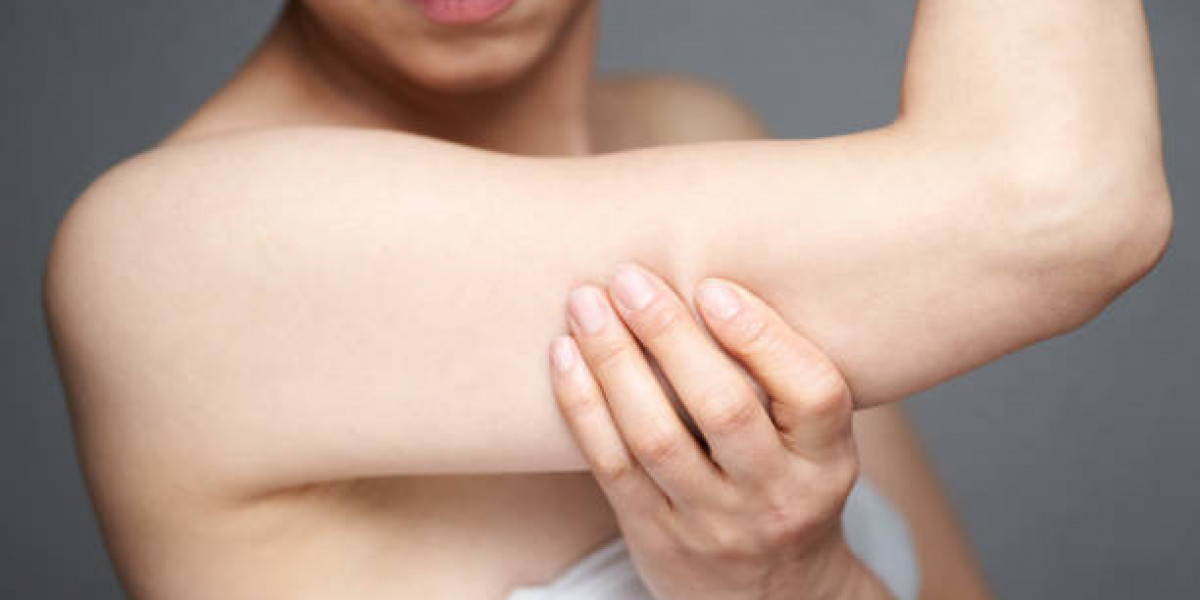

Maintaining a stable body weight is an important consideration when planning any body-contouring procedure. Significant weight fluctuations can affect skin elasticity, body proportions, and the appearance of treated areas. For individuals considering upper-arm contouring, weight stability can help support more predictable surgical outcomes. arm lift in jeddah is designed to remove excess skin and create smoother upper-arm contours, but changes in body weight after surgery may influence the results. Understanding why weight stability matters, when to consider treatment, and how to maintain the outcome can help patients make informed decisions.
Why Is Weight Stability Important Before Arm Lift Surgery?
An arm lift, medically known as brachioplasty, removes selected areas of loose skin from the upper arms. The procedure is generally intended for people who have persistent skin laxity after aging, significant weight loss, or changes in skin elasticity.
When body weight continues to fluctuate, the skin and underlying tissues may change in size. Additional weight gain can increase the volume of the upper arms, while further weight loss may create new areas of loose skin. These changes can affect the contour achieved through surgery.
How Weight Fluctuations Affect Upper-Arm Skin
Weight gain: Additional fat deposits may increase upper-arm fullness and stretch the surrounding skin.
Further weight loss: Skin may become loose again if the body becomes smaller after surgery.
Repeated weight changes: Cycles of gaining and losing weight can place repeated stress on skin elasticity.
Changes in body proportions: Significant weight changes may affect how the arms look in relation to the rest of the body.
Maintaining a relatively consistent weight helps the surgeon assess the actual amount of excess skin and plan an appropriate correction.
How Stable Weight Supports Better Arm Lift Results
Weight stability does not guarantee a particular surgical outcome, but it can help create more predictable conditions for treatment.
More Accurate Surgical Planning
When weight has remained stable, the surgeon can better evaluate the amount and location of excess skin. This makes it easier to determine whether a mini, traditional, or extended arm lift may be appropriate.
More Predictable Upper-Arm Contours
Removing excess skin from a relatively stable body allows the surgeon to plan the procedure around the patient's existing proportions. Major weight changes afterward may alter the appearance of the treated area.
Reduced Likelihood of New Skin Laxity
Further significant weight loss can leave additional loose skin around the upper arms. Reaching and maintaining a suitable weight before surgery may reduce the likelihood of needing another correction because of future weight changes.
Better Alignment With Body-Contouring Goals
Patients who have completed their major weight-loss journey may have a clearer understanding of their long-term body shape. This can help them establish realistic expectations about the improvements an arm lift can provide.
When Should You Consider Arm Lift Surgery After Weight Loss?
People who have lost a substantial amount of weight often experience loose skin around the upper arms. However, the timing of surgery is important because the body may continue changing after weight reduction.
Patients are generally encouraged to reach a stable weight before considering an arm lift. Many surgeons recommend maintaining that weight for several months, often around six months, although the appropriate period depends on individual circumstances.
Why Waiting Can Be Beneficial
Waiting until weight has stabilized gives the skin and underlying tissues time to adjust. It also allows the surgeon to evaluate whether the remaining skin laxity is likely to persist.
People who are still actively losing weight may be advised to delay surgery. A personalized assessment is necessary because weight history, general health, and the extent of skin excess all influence treatment timing.
What Happens If You Gain Weight After Arm Lift Surgery?
Weight gain after an arm lift may affect the appearance of the upper arms. Additional fat can increase their volume and potentially stretch the remaining skin.
The extent of change depends on how much weight is gained, individual fat distribution, and natural skin elasticity. Minor fluctuations may have little visible effect, while substantial weight gain can alter the contour more noticeably.
Although the procedure removes excess skin, it does not prevent future weight-related changes. Patients should understand that surgery cannot guarantee an unchanged appearance throughout life.
Can Further Weight Loss Affect Your Results?
Yes. Additional significant weight loss after an arm lift may create new skin laxity because the remaining skin can stretch as the body changes. This may reduce the smoothness achieved through the procedure.
For this reason, patients who expect to lose a considerable amount of weight may benefit from discussing treatment timing with their surgeon. Completing major weight-loss goals before surgery can help establish a more suitable foundation for long-term results.
How to Maintain Your Weight After Arm Lift Surgery
Healthy lifestyle habits can help patients maintain a stable weight and support their overall recovery. Although no routine can completely prevent natural aging or changes in skin elasticity, consistency can help preserve the surgical improvement.
Follow a Balanced Eating Pattern
Include a variety of nutritious foods, such as vegetables, fruits, whole grains, and suitable protein sources. Adequate nutrition also supports the body's healing process after surgery.
Return to Exercise Gradually
Physical activity should be resumed according to the surgeon's instructions. Walking may be encouraged during early recovery, while upper-body workouts and resistance training should wait until medical clearance is provided.
Monitor Long-Term Weight Changes
Keeping track of significant weight changes can help patients recognize patterns and make appropriate lifestyle adjustments. The goal is sustainable weight management rather than rapid weight loss.
Maintain Healthy Daily Habits
Adequate sleep, hydration, balanced meals, and regular activity can contribute to overall well-being. Patients should avoid extreme diets or sudden changes in exercise routines, particularly during recovery.
Does Weight Stability Guarantee Permanent Arm Lift Results?
Stable weight can help preserve the contour achieved through surgery, but it cannot stop the natural aging process. Skin elasticity may continue to change over time, and genetics also influence long-term appearance.
Arm Lift Surgery in Riyadh can remove selected excess skin, but it does not prevent future sagging caused by aging or significant weight fluctuations. Patients should consider surgery as a way to improve existing skin laxity rather than a guarantee of permanent firmness.
Other Factors That Influence Arm Lift Outcomes
Weight is only one part of successful surgical planning. Skin quality, age, genetics, medical history, smoking habits, and the amount of excess tissue can also influence healing and final results.
The selected technique matters as well. A mini arm lift may be suitable for limited skin laxity near the armpit, while a traditional or extended approach may be needed for more extensive sagging.
Patients should also understand potential risks, including infection, bleeding, fluid accumulation, delayed wound healing, visible scarring, changes in sensation, and asymmetry. Discussing these factors before surgery helps establish realistic expectations.
Plan Your Arm Lift Surgery With Long-Term Goals in Mind
Maintaining a stable weight before and after surgery can help support more predictable upper-arm contours. Arm Lift Surgery in Riyadh may be suitable for individuals with persistent loose skin who have reached a relatively stable body weight and understand the procedure's benefits and limitations. A professional assessment helps determine the right timing and surgical approach.
Individuals considering this procedure can consult Royal Clinic Saudia to discuss their weight history, skin concerns, treatment options, and recovery expectations. A personalized surgical plan can help align treatment decisions with long-term body-contouring goals.