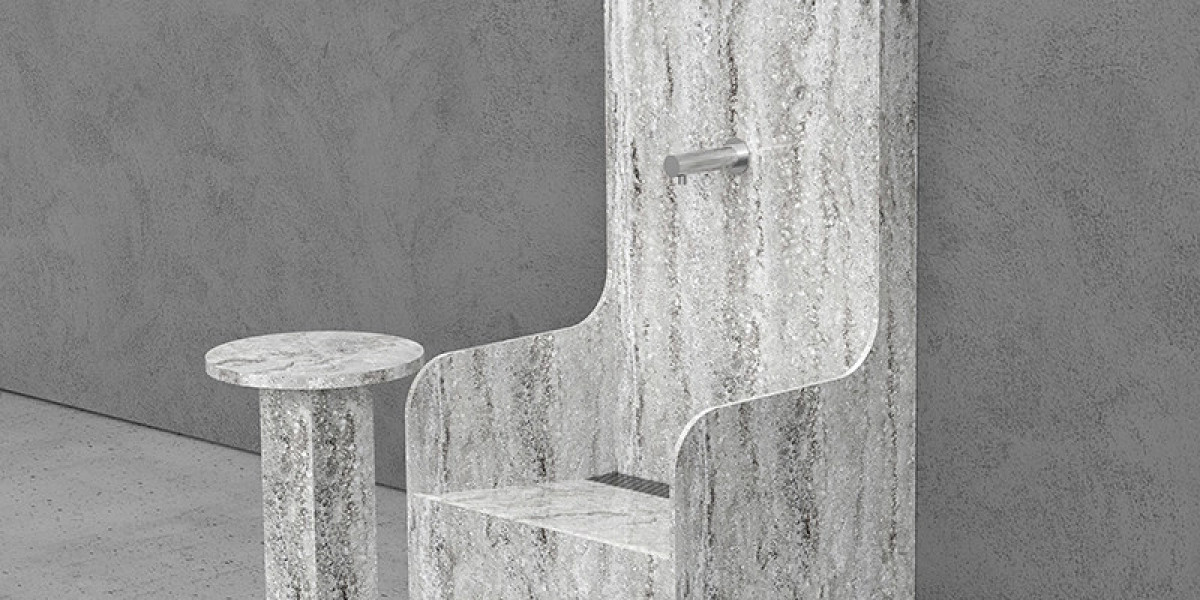

Walk into a mosque built fifty years ago and you will often find an ablution area that was clearly an afterthought, perhaps a row of taps along a tiled wall with a drainage channel at the feet. It served its purpose in its time, but expectations have changed. Modern congregations include elderly members, families with young children, and people with disabilities, and they rightly expect facilities that welcome them rather than test them. A KingKonree Wudu wash station represents the current standard for what a mosque should provide, and the reasons go well beyond aesthetics. They touch on dignity, safety, hygiene, and the simple matter of a community's duty to those who worship within its walls.
The Changing Expectations of Today's Congregations
Worshippers today are accustomed to well-designed public facilities in airports, shopping centres, and workplaces. When they arrive at their local mosque and find an ablution area that is cramped, slippery, or difficult for older members to use, the contrast is felt keenly. Modern mosque design has responded by treating ablution facilities as a significant part of the building rather than a hidden utility space. A properly equipped wudu station signals that the community takes its responsibilities seriously and that every worshipper, regardless of age or ability, is considered worth designing for.
Dignity and Comfort as Acts of Respect
There is a quiet dignity in being able to perform wudu without struggle. When an elderly worshipper must grip a wall for balance while lifting a foot toward a high tap, the difficulty is visible to everyone nearby, and it can discourage people from attending the mosque at all. A seated station from KingKonree removes that barrier entirely. The user sits, washes comfortably, and rises without assistance, preserving both their physical ease and their sense of personal dignity. For a community that gathers to worship together, making this possible for every member is not a luxury but a basic expression of care.
Practical Hygiene Benefits for Shared Facilities
Mosques are shared buildings, and shared facilities need hygiene standards that hold up under heavy use. KingKonree's solid surface construction offers a non-porous, seamless finish without grout lines where moisture and dirt can collect. Water is contained within the station's washing area rather than splashing across the floor, reducing the damp conditions that encourage mould and odour. Cleaning becomes simpler and more effective, which matters when ablution areas are maintained by volunteers with limited time. A hygienic ablution space protects worshippers and reduces the burden on the people who look after the building.
Designing for Peak Prayer Attendance
The rhythm of mosque life is one of quiet periods punctuated by surges. Before each of the five daily prayers, and especially on Fridays, the ablution area fills quickly. KingKonree offers multi-user configurations and linear layouts that let several worshippers wash simultaneously, with spacing that prevents crowding and keeps the queue moving. Facilities that plan their station capacity around peak attendance avoid the bottleneck that otherwise spills into entrances and corridors. This is where a manufacturer's experience with mosques proves valuable, since sizing decisions made early determine whether the facility copes gracefully or struggles every week.
Accessibility That Welcomes Every Worshipper
Accessibility is not a niche concern in mosque design; it is central to a community's inclusivity. Wheelchair users, people with temporary injuries, pregnant women, and young children all need ablution facilities that accommodate them. KingKonree's designs support this through seated washing positions, carefully positioned controls, and customisable dimensions that can account for wheelchair access where required. Additional support features can be specified for facilities serving many elderly worshippers. When a mosque gets accessibility right, attendance broadens and the community becomes visibly more complete, which is precisely what a house of worship should be.

Durability That Respects Community Finances
Mosques are usually funded by the community, and every purchase carries a responsibility to spend wisely. A wudu station is a long-term investment, expected to serve for many years of heavy use. KingKonree's solid surface stations resist moisture damage, staining, and everyday wear, and their surfaces can be refinished when necessary rather than replaced. This durability means fewer repairs, lower maintenance costs, and less disruption to the mosque's operations. Choosing a station built to last is itself an act of stewardship, directing community funds toward a facility that will keep serving worshippers for decades.
Conclusion
Every modern mosque needs a wudu wash station for reasons that reach far beyond convenience. Congregations have changed, expectations have risen, and the understanding of what it means to welcome every worshipper has deepened. KingKonree's stations answer that understanding with seated comfort, contained water, durable surfaces, and configurations that handle prayer-time demand. A mosque that invests in a proper ablution facility is investing in its people, and the return shows in attendance, satisfaction, and the quiet confidence of a community that knows its house of worship is ready for the generations still to come.