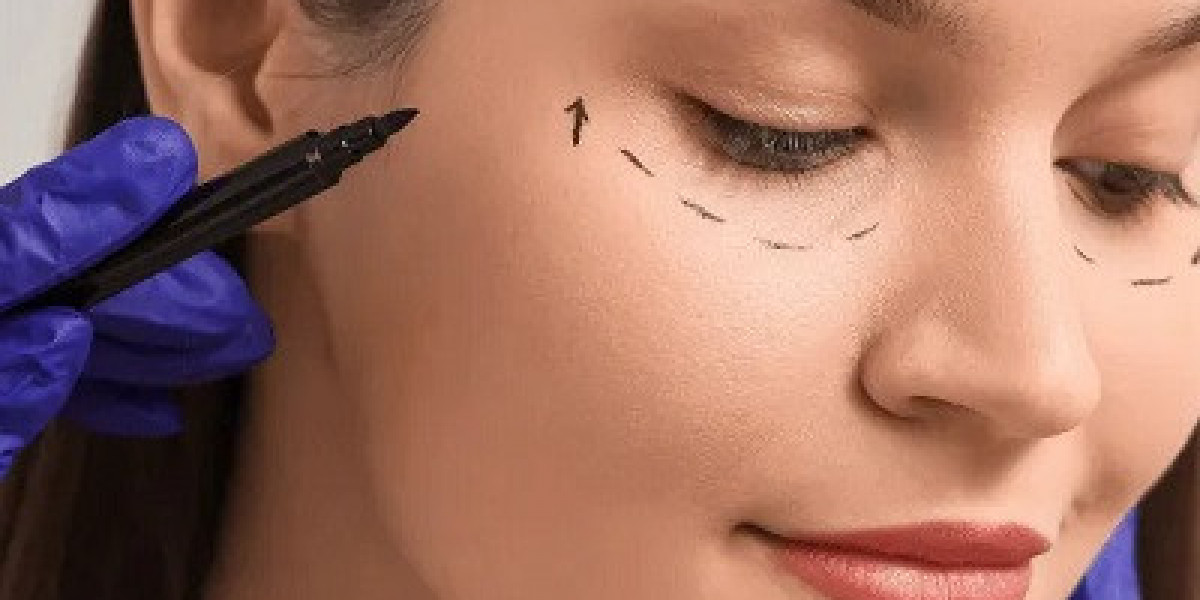

Eyelid surgery is a popular cosmetic and functional procedure for people who want to address drooping eyelids, excess skin, puffiness, or a tired-looking appearance around the eyes. As the skin around the eyes is delicate and naturally changes with age, these concerns can become more noticeable over time. For some individuals, sagging upper eyelid skin may even interfere with their field of vision, making treatment a practical consideration as well as a cosmetic one.
Before choosing Eyelid Surgery in Muscat it is important to understand what the procedure involves, who may benefit from it, and what to expect during recovery. Having realistic expectations and knowing the essential details can help individuals feel more prepared and make informed decisions about their treatment.
Here are ten important things to know before considering eyelid surgery.
1. Understand What Eyelid Surgery Can Treat
Eyelid surgery, also known as blepharoplasty, is a procedure designed to improve the appearance or function of the upper eyelids, lower eyelids, or both. It generally involves removing or repositioning excess skin, fat, and sometimes small amounts of tissue to create a smoother and more refreshed appearance.
Upper eyelid surgery commonly addresses loose or hanging skin that creates a heavy appearance above the eyes. In some cases, this excess skin may affect peripheral vision or make everyday activities more difficult.
Lower eyelid surgery usually focuses on under-eye bags, puffiness, and loose skin beneath the eyes. Depending on the individual's concerns, the procedure may involve removing or repositioning fat to reduce prominent bulges and create a more even transition between the lower eyelid and cheek.
However, eyelid surgery does not treat every concern around the eyes. Dark circles, fine lines, crow's feet, and hollow areas may require different treatments. Understanding the specific concern is an important first step.
2. Determine Whether You Are a Suitable Candidate
Not everyone with puffy or drooping eyelids needs surgery. Suitability depends on several factors, including overall health, skin condition, eye health, facial anatomy, and personal expectations.
People who may consider eyelid surgery often have one or more of the following concerns:
Excess skin or folds on the upper eyelids
Drooping eyelids that create a tired appearance
Persistent puffiness or under-eye bags
Loose skin beneath the eyes
Changes around the eyes associated with ageing
Upper eyelid skin that affects the field of vision
Good general health is important because it can influence healing and recovery. Individuals with certain medical conditions, dry eyes, thyroid-related eye problems, glaucoma, or other eye concerns may need additional assessment before treatment.
A detailed consultation helps determine whether surgery is appropriate. It also allows the treatment approach to be adjusted according to the individual's anatomy and needs.
3. Choose Between Upper and Lower Eyelid Surgery
One of the most important decisions is identifying which part of the eyelids needs attention. Upper and lower eyelid surgery address different concerns, and the two procedures are not interchangeable.
Upper eyelid surgery focuses on excess skin and sometimes fat above the eyes. It can create a more open appearance and may improve vision when hanging skin obstructs the upper or side field of view.
Lower eyelid surgery addresses puffiness, prominent fat pockets, and loose skin beneath the eyes. The aim is generally to create a smoother, less tired-looking under-eye area.
Some individuals may benefit from treatment of both upper and lower eyelids during the same surgical session. Others may need only one procedure. The right choice depends on the distribution of excess skin, fat, and other age-related changes.
A careful assessment is essential because the goal should be a balanced and natural-looking result rather than removing as much tissue as possible.
4. Know What Happens During the Procedure
Understanding the surgical process can make the experience feel less intimidating. Eyelid surgery is generally performed as an outpatient procedure, although the exact setting and anaesthesia plan depend on the treatment and individual circumstances.
For upper eyelid surgery, an incision is commonly placed within the natural crease of the eyelid. This allows excess skin and, when appropriate, fat to be adjusted while helping the resulting scar remain less noticeable once healed.
For lower eyelid surgery, the incision may be placed just beneath the lower eyelashes or inside the lower eyelid. The choice depends on whether the main concern is excess skin, fat bulging, or a combination of both.
The procedure may use local anaesthesia with sedation or general anaesthesia, depending on the surgical plan. Once the necessary adjustments are complete, the incisions are closed with fine sutures or another suitable closure technique.
The duration varies according to the complexity of the procedure and whether both eyelids are treated.
5. Have Realistic Expectations About the Results
Eyelid surgery can make the eye area look more rested and refreshed, but it does not stop the natural ageing process. It is important for individuals to understand what the procedure can realistically achieve.
For example, removing excess upper eyelid skin may create a more defined eyelid crease, while lower eyelid surgery may reduce the appearance of prominent under-eye bags. However, the procedure may not completely remove dark circles, improve skin texture, or eliminate every fine line.
Results also vary according to skin quality, facial structure, healing response, and the surgical technique used.
A natural-looking outcome is generally preferred over an excessively tight or dramatically altered appearance. Preserving enough skin and tissue is important for maintaining comfortable eyelid closure and normal eyelid function.
Before choosing Eyelid Surgery in Muscat, individuals should discuss their desired outcome and understand the limitations of treatment. Reviewing suitable before-and-after examples during consultation may also help establish realistic expectations.
6. Prepare for the Recovery Period
Recovery is an important part of eyelid surgery and should be planned carefully. Although many people can return to light daily activities within a relatively short period, complete healing takes longer.
During the first few days, common temporary effects may include:
Swelling around the eyes
Bruising or mild discolouration
Tightness or tenderness
Temporary blurred vision from ointments or swelling
Sensitivity to light
Mild watering or dryness
These effects usually improve gradually. Cold compresses, prescribed medication, head elevation, and appropriate eye care may be recommended to support comfort and healing.
Individuals are generally advised to avoid strenuous exercise, heavy lifting, and activities that may increase pressure around the eyes during the early recovery period. Contact lenses and eye makeup may also need to be avoided temporarily.
Follow-up appointments help monitor healing and identify any concerns. Recovery timelines differ, so individuals should follow their personalised aftercare instructions rather than comparing their progress with someone else's experience.
7. Understand the Possible Risks and Complications
Like any surgical procedure, eyelid surgery has potential risks. Being aware of them helps individuals make informed decisions and recognise when medical attention may be necessary.
Possible complications include:
Infection
Bleeding or a collection of blood beneath the skin
Scarring
Dry or irritated eyes
Temporary difficulty closing the eyelids
Asymmetry between the eyes
Changes in eyelid position
Persistent swelling or discomfort
Changes in vision, which may rarely be serious
Some complications are uncommon, but they should still be discussed before treatment. In rare cases, serious bleeding behind the eye can threaten vision and requires immediate emergency attention.
A thorough medical history, appropriate preoperative assessment, careful surgical planning, and proper aftercare can help reduce avoidable risks. Individuals should also understand which symptoms are expected during recovery and which require urgent assessment.
8. Review Your Medical History and Current Medications
Before surgery, individuals should provide a complete medical history. Even conditions that seem unrelated to the eyes can influence the surgical plan, anaesthesia, or healing process.
Important details to discuss include:
Previous eye procedures or facial surgery
Dry eye symptoms or other eye conditions
Allergies and medication reactions
Diabetes or conditions affecting wound healing
Bleeding or clotting disorders
Smoking or nicotine use
Current prescription and non-prescription medications
Vitamins, herbal products, and supplements
Certain medications and supplements may increase bleeding risk. However, individuals should never stop prescribed medication independently. Any changes should be discussed with the relevant healthcare professional.
Smoking and nicotine use can also interfere with circulation and wound healing. A suitable plan for stopping before and after surgery may be recommended.
Sharing accurate information allows the surgical team to assess potential concerns and plan treatment more safely.
9. Plan Your Time and Follow Postoperative Care Instructions
Eyelid surgery requires more than attending the procedure itself. Individuals should arrange practical support for the day of surgery and the initial recovery period.
If sedation or general anaesthesia is used, someone may need to accompany the individual home. Driving should be avoided until it is considered safe, and arrangements for help with daily tasks can make the first few days more comfortable.
Aftercare instructions may include:
Keeping the surgical area clean as directed
Using prescribed eye drops or ointments
Applying cold compresses when recommended
Sleeping with the head elevated
Avoiding rubbing or putting pressure on the eyes
Protecting the healing skin from direct sunlight
Attending scheduled follow-up appointments
Sun protection is particularly important because healing skin can be sensitive and may develop noticeable discolouration with excessive exposure.
Individuals should contact their healthcare provider if they experience increasing pain, worsening swelling, fever, significant bleeding, or unusual discharge. Sudden vision changes, severe eye pain, or rapidly increasing swelling require immediate medical attention.
10. Consider the Long-Term Benefits and Maintenance
One reason people consider eyelid surgery is that its results can last for many years. Removing or repositioning excess tissue can provide a lasting improvement, although the face continues to age naturally.
The longevity of results varies from person to person. Genetics, skin elasticity, sun exposure, lifestyle, and natural ageing can all influence how the eye area changes over time.
Some individuals may maintain their results for many years without needing additional treatment. Others may notice gradual changes as the skin loses elasticity and surrounding tissues continue to age.
Healthy habits can support the appearance of the eye area after recovery. These include wearing sunglasses, applying suitable sun protection, avoiding smoking, maintaining a balanced diet, and following an appropriate skincare routine.
It is also important to remember that eyelid surgery is not a replacement for treatments that address other concerns, such as pigmentation, fine lines, or skin texture. Any additional treatment should be considered only after healing and with appropriate professional guidance.
Frequently Asked Questions About Eyelid Surgery
1. How long does eyelid surgery usually take?
The duration depends on whether upper eyelid surgery, lower eyelid surgery, or both are being performed. The complexity of the treatment and the anaesthesia plan can also affect the overall time. The expected duration can be discussed during the initial consultation.
2. Is eyelid surgery painful?
Anaesthesia is used to minimise discomfort during the procedure. After surgery, some individuals experience mild soreness, tightness, swelling, or tenderness around the eyes. These effects are generally temporary and can often be managed with the recommended aftercare and medication.
3. How long does it take to recover from eyelid surgery?
Initial recovery often takes around one to two weeks, although bruising and swelling may take longer to settle completely. Final results can take several weeks or months to become fully apparent as the tissues continue healing.
4. Will eyelid surgery remove dark circles?
Eyelid surgery may improve under-eye puffiness and prominent fat pockets, but it does not necessarily remove dark circles. Dark circles can result from pigmentation, thin skin, visible blood vessels, or hollowing. These concerns may require a different treatment approach.
5. Are the results of eyelid surgery permanent?
The results can last for many years, but they are not completely permanent because natural ageing continues. Skin elasticity and facial changes may gradually affect the appearance of the eyelids over time.
6. Is eyelid surgery suitable for younger individuals?
Age alone does not determine suitability. Some younger individuals have hereditary under-eye bags or naturally excess eyelid skin. However, treatment should be considered only when there is a clear concern, appropriate health status, and realistic expectations.
Final Thoughts
Eyelid surgery can be a useful option for individuals who want to address excess eyelid skin, under-eye bags, or changes that make the eyes appear tired. It may also offer functional benefits when drooping upper eyelid skin interferes with vision. However, the best outcomes depend on careful assessment, appropriate treatment planning, realistic expectations, and consistent aftercare.
Anyone considering Eyelid Surgery in Muscat should take time to understand the available techniques, possible risks, recovery requirements, and expected results. A thorough consultation can help determine whether the procedure is suitable and which approach best addresses the individual's concerns.
Read More About Eyelid Surgery in Muscat: https://gracebook.app/blogs/232819/Does-Eyelid-Surgery-Leave-Visible-Scars