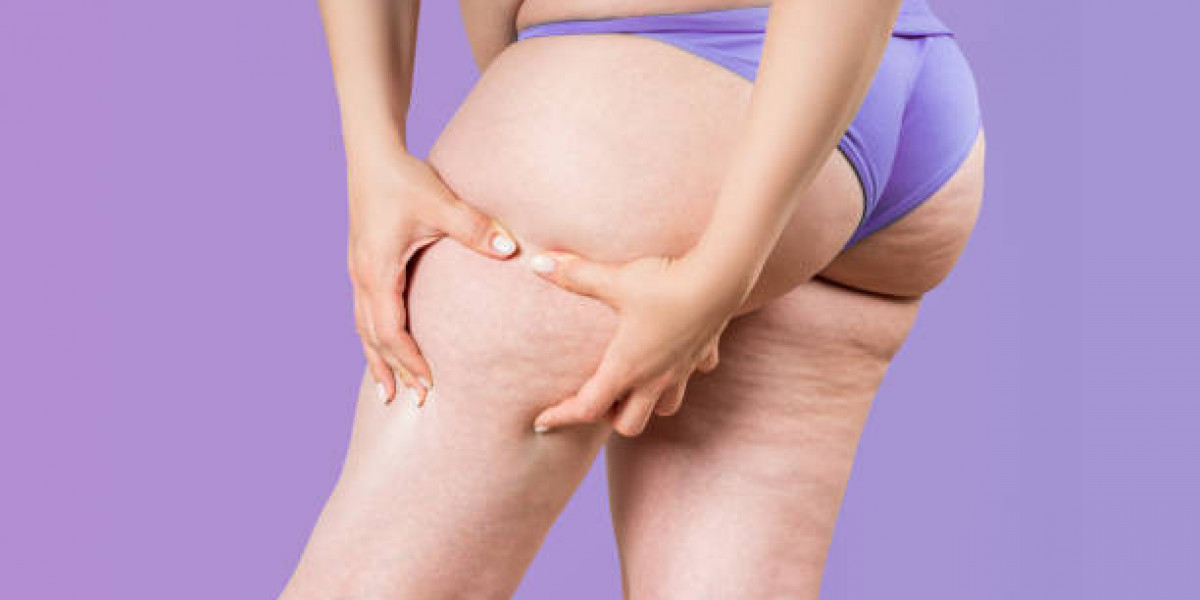

Lipedema is a chronic condition that causes an abnormal buildup of fat, usually around the hips, thighs, buttocks, and legs, and sometimes the arms. It may lead to tenderness, easy bruising, swelling, heaviness, and discomfort that can affect everyday activities. Learning how to manage symptoms is an important part of living with this condition. With appropriate guidance, Treatment of lipedema in Riyadh (علاج الوذمة الشحمية في الرياض) can help patients explore supportive strategies that improve comfort, maintain mobility, and address their individual concerns.
Managing lipedema requires a consistent approach because symptoms can vary from one person to another. Some individuals experience tenderness and heaviness, while others have difficulty with movement or additional swelling. A personalized plan for Treatment of lipedema in Riyadh may include compression garments, suitable physical activity, manual lymphatic drainage when appropriate, and medical evaluation for advanced treatment options. Although these approaches cannot guarantee a cure, they can help support long-term symptom management.
Understand Your Lipedema Symptoms
Recognizing your symptoms can help you identify what makes discomfort better or worse. Lipedema commonly affects both sides of the body in a relatively symmetrical pattern. The feet are typically spared, which can help distinguish the condition from certain other causes of swelling.
Common symptoms include:
Tenderness or pain when the affected areas are touched.
Easy bruising without a clear injury.
A feeling of heaviness or tightness in the legs.
Disproportionate fat accumulation around the hips, thighs, or lower legs.
Difficulty with certain physical activities because of discomfort.
Swelling that may become more noticeable during the day, particularly when another condition is present.
If symptoms change suddenly or swelling affects only one leg, medical assessment is important to rule out other conditions.
Follow a Suitable Physical Activity Routine
Regular movement can support muscle strength, joint function, circulation, and general health. It may also help patients maintain mobility and manage some of the physical challenges associated with lipedema.
Choose Low-Impact Exercises
Activities that place less pressure on the joints may be more comfortable for many patients. Suitable options can include:
Walking at a comfortable pace.
Swimming or exercising in water.
Cycling on a stationary or regular bicycle.
Gentle stretching and mobility exercises.
Light strength training with appropriate guidance.
Increase Activity Gradually
Starting with short sessions can help prevent excessive soreness and fatigue. Patients should adjust the intensity according to their comfort and physical ability. Exercise does not remove lipedema fat, but it can support overall physical function and well-being.
Use Compression Garments When Recommended
Compression garments may help manage associated swelling and provide support to the affected areas. They apply controlled pressure, which can assist fluid movement in patients who experience swelling alongside lipedema.
A healthcare professional can recommend the appropriate garment type, compression level, and fit. Wearing garments that are too tight or unsuitable may cause irritation, discomfort, or pressure marks. Compression therapy is a supportive measure rather than a method for removing lipedema fat.
Consider Manual Lymphatic Drainage
Manual lymphatic drainage is a gentle technique performed by a trained practitioner to encourage lymphatic fluid movement. It may help some patients who experience associated swelling, heaviness, or discomfort.
However, this approach does not eliminate abnormal fat tissue or cure lipedema. It may not be suitable for everyone, particularly individuals with certain medical conditions such as an untreated blood clot or acute infection. A professional assessment should be completed before starting treatment.
Maintain Healthy Lifestyle Habits
Healthy daily habits can support general well-being and make it easier to manage the physical effects of lipedema. They do not cure the condition or reverse the abnormal fat distribution, but they can contribute to better overall health.
Follow a Balanced Eating Pattern
A balanced diet containing vegetables, fruits, whole grains, lean proteins, and healthy fats supports general health. Patients may benefit from limiting highly processed foods and maintaining regular eating habits. There is no single diet proven to cure lipedema, so restrictive eating plans should be avoided unless medically recommended.
Stay Hydrated
Drinking enough water supports normal body functions and overall health. Patients should follow individual medical advice if they have conditions that require fluid restrictions.
Prioritize Rest and Comfortable Clothing
Adequate rest can support recovery after physical activity. Comfortable clothing and well-fitting footwear may also reduce unnecessary pressure and make everyday movement easier.
Manage Pain and Tenderness
Pain and sensitivity can interfere with daily activities for people living with lipedema. Identifying activities or clothing that increase discomfort may help patients make practical adjustments.
Gentle movement, appropriate compression when recommended, and professional supportive therapies may help some individuals. Patients should consult a healthcare professional before using pain medication regularly or trying new therapies, especially if they take other medications or have existing health conditions.
Explore Medical Treatment Options
When symptoms continue despite conservative management, a specialist may discuss additional treatment options. The most suitable approach depends on the patient's condition, symptoms, medical history, and personal goals.
Conservative Treatment
A management plan may combine compression, appropriate exercise, and manual lymphatic drainage when indicated. These methods focus on symptom support and maintaining mobility rather than removing affected fat tissue.
Lipedema Reduction Surgery
Specialized liposuction may be considered for selected patients with persistent symptoms. The procedure aims to remove affected fat while protecting surrounding structures, including lymphatic vessels. It involves surgical risks and requires careful assessment, realistic expectations, and appropriate follow-up care.
A personalized plan for Treatment of lipedema in Riyadh can help patients understand which conservative or surgical options may be suitable for their circumstances.
When Should You Consult a Specialist?
Professional assessment is important if pain, tenderness, bruising, or changes in body shape begin affecting everyday life. A specialist can review symptoms, examine the affected areas, and consider whether another condition may be contributing to swelling or discomfort.
Seek prompt medical attention if you develop sudden one-sided leg swelling, warmth, redness, or pain. Chest pain or sudden shortness of breath requires emergency medical care.
Book Your Appointment at Royal Clinic Saudia
Managing lipedema symptoms starts with understanding your condition and choosing appropriate care. Book a consultation at Royal Clinic Saudia (عيادات رويال كلينك) to discuss your symptoms, receive an individualized assessment, and explore suitable options for ongoing management and support.
FAQs:
Can lipedema symptoms be managed without surgery?
Yes. Some patients manage symptoms through compression garments, suitable physical activity, and manual lymphatic drainage when appropriate. These methods may improve comfort and mobility but do not remove lipedema fat.
Does exercise make lipedema worse?
Appropriate low-impact exercise does not generally worsen lipedema and can support strength and mobility. However, activities that cause significant pain or discomfort should be adjusted with professional guidance.
Can diet reduce lipedema fat?
A balanced diet supports general health, but it cannot specifically remove or reverse lipedema fat. Healthy eating may still be a useful part of an overall management plan.
How often should lipedema symptoms be assessed?
Follow-up frequency depends on symptom severity, treatment approach, and individual health needs. Regular reviews can help assess changes and determine whether the management plan needs adjustment.




