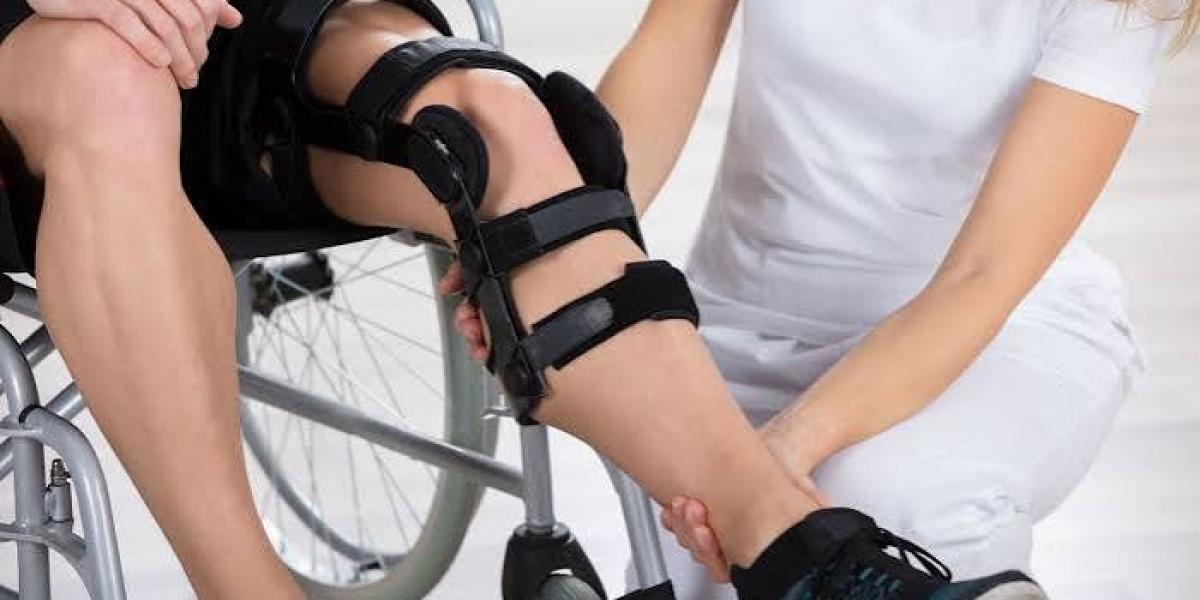

Recovering from surgery is a process that requires time, patience, and consistent care. Although surgery can help repair damaged tissues, improve joint function, or reduce ongoing pain, patients may still experience physical limitations afterward. Muscle weakness, joint stiffness, swelling, and difficulty walking can make ordinary activities feel challenging.
Physical therapy after surgery in Marietta can help patients address these challenges through guided rehabilitation. A physical therapist evaluates the patient's condition and recommends exercises that support gradual improvements in movement, strength, and balance. The goal is to help patients regain physical abilities while following the recovery instructions provided by their surgeon.
Whether someone has undergone knee replacement surgery, ligament repair, or another orthopedic procedure, a suitable rehabilitation program can make the recovery process more organized. Understanding the different stages of therapy can also help patients know what to expect and how to participate in their progress.
The Role of Physical Therapy in Post Surgical Recovery
After surgery, the body needs time to heal. During this period, patients may need to limit certain activities or avoid placing pressure on the affected area. Although these precautions are important, reduced movement can also lead to weakness and stiffness.
Physical therapy introduces appropriate activity as recovery allows. Treatment is based on the type of procedure, the patient's overall health, and medical recommendations.
Restoring Normal Movement Patterns
Surgery can change how a person moves. For example, someone recovering from a leg procedure may walk differently to avoid discomfort. These changes can place additional stress on other parts of the body.
A physical therapist can help patients practice safer movement patterns. This may include walking, standing, sitting, and changing positions with better control.
Improving Muscle Strength
Muscles surrounding an operated joint may become weaker during recovery. Strengthening these muscles helps support the joint and improves the ability to complete everyday tasks.
Exercises are introduced gradually. A patient may begin with simple muscle contractions before progressing to movements that require greater strength and coordination.
Developing Better Balance
Balance can be affected by weakness, reduced activity, and changes in movement. This can make walking and standing feel less comfortable.
Physical therapy may include controlled standing activities, weight shifting, and walking exercises. These activities help patients improve stability as their strength and confidence develop.
How Knee Replacement Physical Therapy in Marietta Helps Patients
Knee replacement surgery is commonly performed when joint damage causes persistent pain and limits movement. Although the procedure replaces damaged joint surfaces, the muscles and tissues around the knee still require rehabilitation.
Knee replacement physical therapy in Marietta focuses on improving knee movement, strengthening supporting muscles, and helping patients return to daily activities. Each recovery plan should reflect the patient's condition and the surgeon's instructions.
Starting With Gentle Knee Exercises
Early rehabilitation usually focuses on basic movements that help patients begin using the operated leg safely. Physical therapy may start soon after surgery when the medical team considers the patient ready.
Depending on individual needs, early activities may include:
Gentle knee bending and straightening.
Ankle movements while resting.
Tightening the thigh muscles.
Supported standing and short walking sessions.
These exercises help introduce movement without placing unnecessary stress on the healing area. The therapist determines the appropriate activities and adjusts them as recovery progresses.
Improving Knee Range of Motion
After knee replacement surgery, stiffness may make it difficult to bend or straighten the leg. This can affect activities such as sitting in a chair, getting out of bed, and climbing stairs.
A therapist may recommend controlled movements to improve flexibility. Patients should follow the prescribed routine and avoid forcing the knee beyond their recommended limits.
Strengthening the Thigh and Hip Muscles
The muscles around the knee help support the joint during walking and standing. The thigh and hip muscles are particularly important for maintaining stability.
As patients become stronger, their therapist may introduce more challenging exercises. These activities can help improve muscle control and make daily movements easier.
What to Expect During a Physical Therapy Program
Although every recovery journey is different, many rehabilitation programs include an initial evaluation, a treatment plan, guided exercises, and regular progress reviews.
Initial Evaluation
The first appointment helps the therapist understand the patient's surgical history, current condition, and recovery goals. The therapist may also review instructions from the surgeon.
The evaluation may include:
Checking joint flexibility and movement.
Assessing muscle strength.
Observing walking and balance.
Discussing pain and swelling.
Identifying difficulties with daily activities.
This assessment provides useful information for developing an appropriate treatment plan.
Creating a Recovery Plan
After the evaluation, the therapist recommends exercises and activities based on the patient's needs. Someone recovering from knee replacement surgery may require a different approach from someone who has undergone shoulder or hip surgery.
A plan may include strengthening exercises, flexibility training, balance activities, and walking practice. It should also account for any restrictions related to the procedure.
Monitoring Improvements
Physical therapy involves regular reviews to understand how the patient is responding to treatment. The therapist may assess changes in strength, joint movement, balance, and daily function.
Progress does not always happen at the same speed. Some patients may need more time to reach certain goals. Adjusting the treatment plan helps keep rehabilitation appropriate for the patient's condition.
Common Problems During Recovery and How Therapy Helps
The recovery period can involve physical challenges that affect comfort and independence. Patients should communicate openly with their healthcare providers about changes in their symptoms.
Pain and Swelling
Some discomfort and swelling can occur after surgery. Patients should follow the medical team's recommendations for managing these symptoms and returning to activity.
A physical therapist can explain which movements are suitable during different stages of recovery. However, sudden or severe pain, increasing swelling, unusual redness, fever, or other concerning symptoms should be reported promptly to a healthcare professional.
Muscle Weakness and Reduced Endurance
Spending less time moving can reduce muscle strength and endurance. Patients may find that walking short distances or completing household tasks requires more effort.
Gradual strengthening and activity training can help improve physical capacity. The therapist adjusts exercises based on the patient's response and ability.
Fear of Moving the Operated Area
Some patients feel nervous about moving after surgery because they worry about causing damage. This concern can make it harder to participate in rehabilitation.
A therapist can demonstrate appropriate movements and explain which activities should be avoided. Supervised practice can help patients become more comfortable with movement over time.
Why Home Exercises Matter
Home exercises are often an important part of rehabilitation. They allow patients to practice recommended movements between therapy appointments and maintain a consistent routine.
Following the Prescribed Exercise Routine
Patients should complete exercises according to their therapist's instructions. The recommended frequency and number of repetitions depend on the surgery and recovery stage.
Doing more exercise than recommended does not necessarily lead to faster improvement. Patients should avoid unfamiliar movements unless their therapist or healthcare provider approves them.
Making the Home Environment Safer
A comfortable home setup can make recovery easier. Removing loose rugs, keeping walkways clear, improving lighting, and placing frequently used items within easy reach can reduce unnecessary difficulties.
Patients should also use walking aids and other support equipment according to professional instructions.
Choosing the Right Physical Therapy Provider in Marietta
Finding a qualified physical therapy provider is an important step in post surgical recovery. Patients should consider the provider's experience, treatment approach, and ability to communicate clearly.
Ask About Orthopedic Rehabilitation Experience
Patients can ask whether a therapist has experience helping people recover from similar procedures. For example, someone preparing for knee replacement rehabilitation may want to understand how treatment supports knee movement, muscle strength, and walking ability.
Look for Individual Attention
Recovery needs can vary considerably between patients. A suitable provider should evaluate each person's condition rather than relying on the same exercises for everyone.
Clear explanations, regular progress reviews, and communication with the medical team can also support a more organized recovery experience.
Conclusion
Physical therapy can help patients regain strength, improve joint movement, and become more confident with everyday activities after surgery. Through gradual exercises, balance training, and movement practice, rehabilitation supports the body's return to normal function. For people recovering from knee replacement surgery, consistent therapy can be especially valuable for improving flexibility and strengthening the muscles that support the knee.
Patients seeking professional rehabilitation support can explore the services available at FYZICAL Marietta. By following an appropriate recovery plan, staying consistent with approved exercises, and communicating with healthcare providers, patients can take steady steps toward improved mobility and independence.