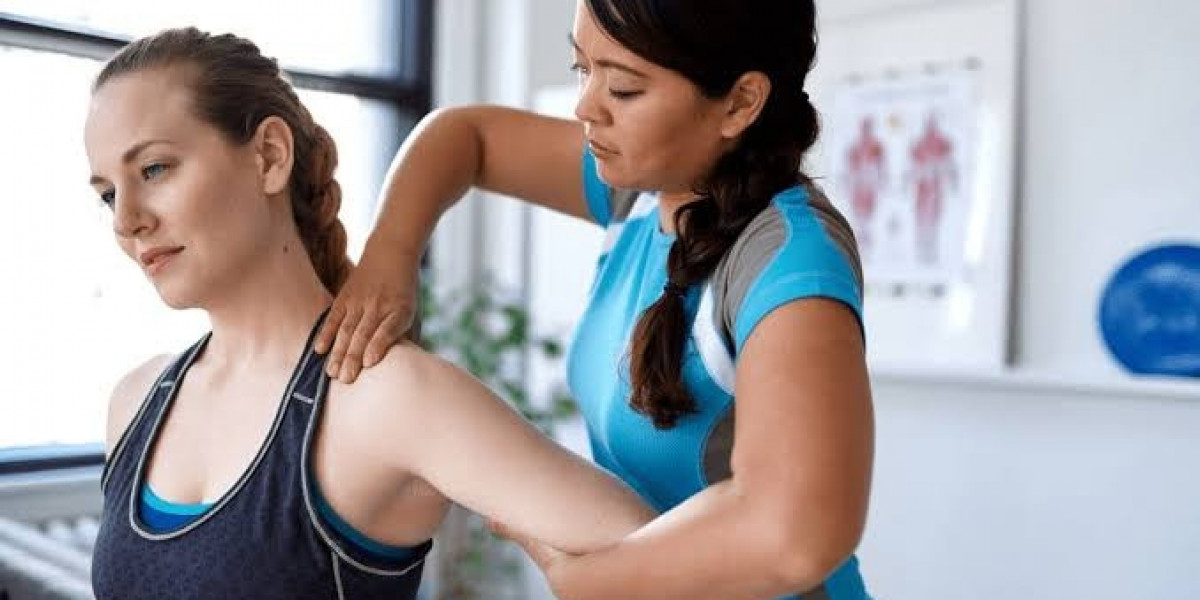

Being able to move comfortably is an important part of maintaining a healthy and active lifestyle. However, injuries, joint problems, muscle weakness, and physical conditions can make everyday movements difficult. Activities such as walking, climbing stairs, bending, lifting, or participating in sports may become uncomfortable when the body is not functioning properly.
Orthopedic rehabilitation helps individuals improve their physical abilities through guided exercises and structured treatment. It focuses on restoring strength, improving flexibility, increasing joint movement, and helping patients return to their daily routines. Whether someone is recovering from an injury, managing joint discomfort, or rebuilding strength after surgery, rehabilitation can support a healthier recovery process.
Understanding the benefits of orthopedic care and the different treatment methods available can help individuals make informed decisions about their physical health.
What Is Orthopedic Rehabilitation?
Orthopedic rehabilitation is a specialized form of physical therapy that addresses conditions affecting muscles, bones, joints, tendons, and ligaments. These structures work together to support the body, maintain balance, and allow people to move properly.
An injury, surgery, or medical condition can affect how these structures function. Patients may experience pain, stiffness, weakness, or limited movement that interferes with everyday responsibilities.
The purpose of rehabilitation is to improve physical function and help individuals regain as much comfortable movement as possible. Treatment is based on the patient's medical history, physical abilities, symptoms, and personal recovery goals.
A rehabilitation program may involve therapeutic exercises, stretching, balance training, movement education, and other suitable techniques. The treatment plan can be adjusted as patients become stronger and make progress.
Common Conditions That May Require Orthopedic Rehabilitation
Different injuries and medical conditions can affect mobility and physical performance. Orthopedic rehabilitation addresses many of these problems by focusing on strength, flexibility, movement, and joint function.
Sports Injuries and Muscle Strains
Sports and exercise activities place physical demands on muscles and joints. Sudden movements, falls, and repeated stress can cause muscle strains, sprains, tendon injuries, and ligament problems.
These injuries may result in pain, swelling, weakness, and difficulty performing normal activities. Rehabilitation can help patients gradually rebuild strength, improve flexibility, and develop better movement control.
Athletes may also benefit from exercises that prepare them to return to their preferred activities. The timing of this process depends on the injury and the individual's recovery.
Back and Neck Pain
Back and neck discomfort can develop because of muscle strain, injuries, repetitive movements, or certain spinal conditions. Persistent pain may make sitting, standing, working, and sleeping uncomfortable.
Physical therapy may help strengthen supporting muscles, improve posture, and encourage healthier movement habits. Treatment should be based on the cause of the discomfort and the patient's physical condition.
Knee, Hip, and Shoulder Problems
Joint conditions can affect movement and make everyday activities challenging. Knee discomfort may interfere with walking and climbing stairs, while shoulder problems can make reaching and lifting difficult.
Hip stiffness can also affect standing, walking, and changing positions. Appropriate rehabilitation exercises may help improve joint movement and strengthen the muscles surrounding affected areas.
Recovery After Surgery
Some patients need rehabilitation following procedures such as knee replacement, hip replacement, and ligament repair. Surgery can affect muscle strength, joint movement, and overall physical function.
A structured recovery program helps patients gradually rebuild strength and improve mobility. Exercises should follow the surgeon's recommendations and account for the patient's recovery progress.
How Orthopedic Physical Therapy Supports Better Movement
Orthopedic physical therapy uses guided exercises and movement activities to improve physical function. It focuses on addressing movement limitations and helping patients return to everyday activities more comfortably.
Individuals searching for orthopedic physical therapy Marietta GA may benefit from understanding how different treatment approaches support recovery.
Improving Muscle Strength
Muscles provide support to joints and help maintain stability during movement. When muscles become weak after an injury, surgery, or reduced physical activity, everyday tasks may require additional effort.
Strengthening exercises help improve muscle function and provide better support for affected joints. Depending on the patient's needs, a therapist may recommend resistance exercises, controlled body movements, and activities using exercise equipment.
Gradually improving muscle strength can make activities such as walking, lifting, and reaching easier to manage.
Increasing Flexibility and Joint Mobility
Tight muscles and stiff joints can limit movement. Stretching and mobility exercises may help improve flexibility and allow patients to move more comfortably.
For example, someone experiencing shoulder stiffness may practice gentle reaching movements. A person recovering from a knee injury may work on gradually improving knee bending and straightening.
Exercises should always match the patient's condition and be performed within recommended limits.
Developing Better Balance and Coordination
Balance is important for standing, walking, and changing positions safely. Muscle weakness, injuries, and reduced physical activity can affect stability and coordination.
Physical therapists may introduce balance exercises that improve body awareness and movement control. These activities can be especially helpful for older adults and individuals recovering from lower body injuries.
Learning Proper Movement Techniques
Everyday activities can place unnecessary stress on muscles and joints when performed incorrectly. Physical therapy helps patients understand how to bend, lift, walk, and perform other movements more effectively.
Developing healthier movement patterns can support recovery and help patients manage daily responsibilities with greater confidence.
What Happens During an Orthopedic Rehabilitation Program?
Starting rehabilitation may feel unfamiliar, especially for people recovering from surgery or dealing with ongoing discomfort. Understanding the treatment process can make it easier to prepare for appointments and participate in recovery.
Initial Physical Evaluation
The first appointment generally involves discussing symptoms, medical history, previous injuries, and personal recovery goals.
A physical therapist may assess muscle strength, flexibility, joint movement, posture, balance, and walking ability. This evaluation helps identify physical limitations and provides a starting point for treatment.
Creating a Treatment Plan
After the evaluation, the therapist develops a treatment plan based on the patient's condition and physical abilities.
For example, someone recovering from knee surgery may need exercises that gradually improve walking and knee movement. Another patient with shoulder discomfort may focus on flexibility and upper body strength.
Treatment goals should be realistic and focused on meaningful improvements in everyday function.
Participating in Guided Treatment Sessions
Rehabilitation sessions may include several activities depending on the patient's needs. Common treatment approaches include:
Strengthening exercises that improve muscle support around affected joints.
Stretching activities that help maintain or improve flexibility.
Balance training that supports stability and coordination.
Functional exercises that prepare patients for everyday movements.
Movement education that encourages safer physical habits.
The therapist may adjust exercise difficulty as the patient becomes stronger and more comfortable.
Monitoring Recovery Progress
Recovery does not happen at the same speed for everyone. Therapists may regularly review strength, flexibility, joint movement, and the ability to complete daily activities.
Patients should communicate openly about their symptoms and progress. If an exercise causes unusual pain or discomfort, the treatment plan may need adjustment.
Daily Habits That Support Successful Rehabilitation
Physical recovery involves more than attending therapy appointments. Consistent participation and healthy daily habits can help patients work toward their recovery goals.
Some helpful practices include:
Attending scheduled physical therapy appointments.
Completing approved home exercises as instructed.
Allowing enough time for rest and recovery.
Avoiding activities that conflict with medical restrictions.
Communicating changes in pain, swelling, or mobility.
Staying patient and recognizing gradual improvements.
It is important to remember that exercising harder does not always produce faster results. The appropriate level of activity depends on the patient's condition, overall health, and stage of recovery.
When Should You Consider Orthopedic Physical Therapy?
Occasional muscle soreness may improve with rest, but persistent discomfort or reduced mobility should not be ignored. Professional evaluation can help identify the cause of physical problems and determine whether rehabilitation is appropriate.
Consider discussing physical therapy with a healthcare professional if you experience ongoing joint pain, reduced flexibility, muscle weakness following an injury, difficulty walking, or limited movement after surgery.
People who experience recurring sports injuries may also benefit from an evaluation to understand their movement limitations and recovery needs.
Severe pain, sudden loss of movement, significant swelling, or symptoms following a serious injury may require prompt medical attention. A healthcare professional can recommend the appropriate next steps.
Choosing the Right Orthopedic Rehabilitation Provider
Selecting a qualified rehabilitation provider is an important part of the recovery process. Patients should consider professional qualifications, treatment methods, communication, and experience with orthopedic conditions.
Check Professional Qualifications
Physical therapists should have the appropriate education, training, and licensing to provide care. Experience with joint problems, sports injuries, and postoperative rehabilitation can also be valuable.
Understand the Treatment Approach
Patients should receive clear explanations about their treatment plans, recommended exercises, and recovery goals. Understanding the purpose of different activities can make it easier to participate consistently.
Consider Communication and Support
A supportive rehabilitation environment should encourage patients to ask questions and discuss concerns. Regular communication helps therapists understand how patients respond to treatment and whether adjustments are needed.
Set Realistic Recovery Expectations
Every patient has different physical needs and recovery expectations. A reliable provider should focus on achievable improvements rather than promising immediate results. Treatment should support better strength, mobility, and everyday function.
Conclusion
Orthopedic rehabilitation can help individuals rebuild strength, improve flexibility, and regain comfortable movement after injuries, surgery, or ongoing joint problems. With appropriate exercises, professional guidance, and consistent participation, patients can work toward better physical function and a more active lifestyle.
For individuals exploring orthopedic rehabilitation Marietta GA or orthopedic physical therapy Marietta GA, FYZICAL Marietta is a local option to consider when researching rehabilitation services. Learning about available treatment approaches and discussing personal recovery goals with qualified professionals can be a helpful first step toward improving mobility and maintaining long term physical health.




