
Muscle pain can affect the way you work, exercise, and enjoy everyday activities. A tight shoulder may make reaching overhead uncomfortable, while tension in the back or legs can make walking, sitting, or bending more difficult. Sometimes these problems develop after an injury. In other cases, they may be connected to repetitive movements, physical activity, or spending too much time in one position.
When muscle discomfort does not improve, physical therapy may offer different ways to address movement limitations. One treatment option is dry needling, a technique that uses very thin needles to target selected areas of muscle tissue. People researching dry needling in Loveland often want to understand how it works, whether it may help their symptoms, and what happens during treatment. Learning about these details can help you have a more informed conversation with a qualified physical therapist.
What Is Dry Needling?
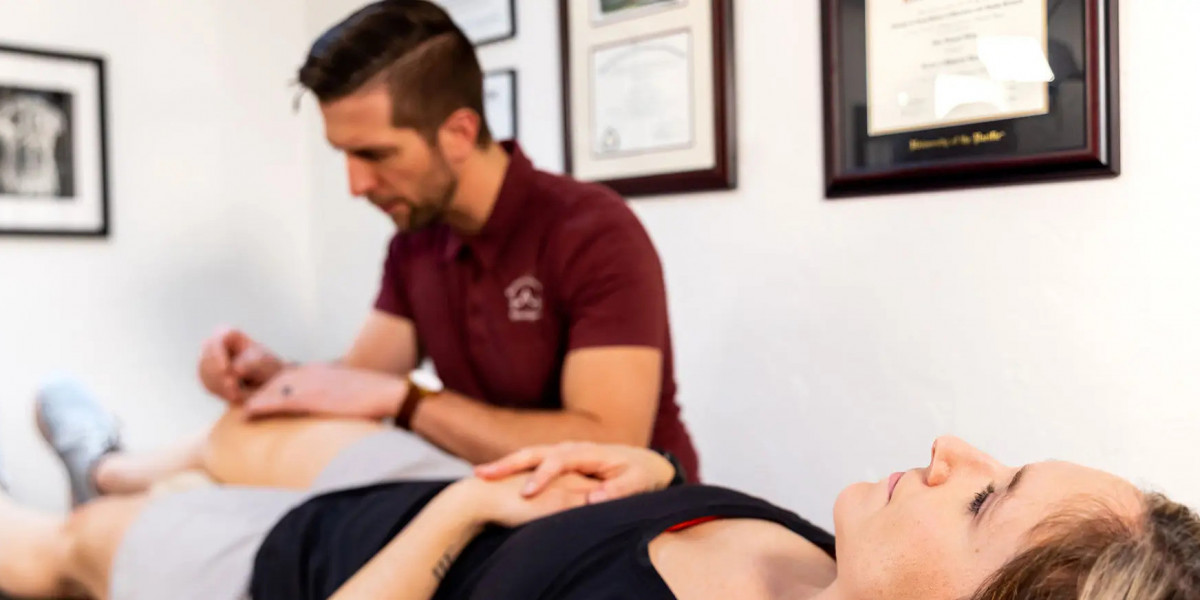
Dry needling is a treatment technique performed by appropriately trained healthcare professionals. It involves inserting a thin, solid needle into a selected area of muscle tissue. The needle does not contain medication and does not inject any substance into the body.
A physical therapist may consider this technique when muscle sensitivity or tightness appears to be contributing to a person's discomfort. It is commonly used as one part of a broader physical therapy plan, which may also include exercises, stretching, and movement training.
What Are Muscle Trigger Points?
Trigger points are sensitive areas within a muscle that may feel tight or painful when touched. Some people experience discomfort around the affected area, while others may notice symptoms in nearby parts of the body.
For example, sensitive areas in the upper back may be associated with discomfort around the shoulder or neck. However, not all muscle pain comes from trigger points. A proper assessment is necessary to understand what may be contributing to the symptoms.
How Does Dry Needling Work?
During a session, the therapist inserts a thin needle into a selected muscle area. This may create a brief muscle twitch or a feeling of pressure. Some people notice a small prick, while others experience temporary soreness afterward.
The technique is intended to stimulate targeted muscle tissue and may help some people manage particular muscle related symptoms. Responses vary, and dry needling does not guarantee pain relief or improved movement.
Why a Professional Assessment Is Important
Pain can have several possible causes. Muscle strain, joint restrictions, nerve irritation, and other health conditions may create similar symptoms. Treating an area without understanding the cause may not address the actual problem.
A physical therapist may begin by asking about your symptoms, medical history, and daily activities. They may assess strength, flexibility, joint movement, and the activities that cause discomfort.
This information helps the therapist decide whether dry needling is appropriate or whether another approach may be more suitable.
Muscle and Movement Problems That May Benefit From Dry Needling
Dry needling may be considered for selected muscle related concerns. Its suitability depends on the individual's condition, symptoms, and overall health.
Neck and Shoulder Discomfort
Neck and shoulder tension can develop after long periods of computer work, repetitive tasks, or activities that keep the body in one position. People may notice stiffness when turning their head, reaching overhead, or carrying everyday items.
A physical therapist can assess the muscles and joints around the neck and shoulders. If muscle sensitivity is contributing to the symptoms, dry needling may be considered alongside exercises and recommendations for improving movement habits.
Back Muscle Tightness
Back discomfort can make bending, lifting, sitting, and standing uncomfortable. Muscle tension may contribute to these symptoms, although back pain can also have other causes.
A therapist may evaluate the lower back, hips, and surrounding muscles to understand how they work together. Depending on the findings, treatment may include dry needling, strengthening exercises, mobility activities, or other suitable methods.
Hip and Leg Muscle Tension
The muscles around the hips and legs help support walking, running, climbing stairs, and standing. Tightness in these areas may make movement uncomfortable, especially after strenuous exercise or a sudden increase in activity.
A physical therapist can assess flexibility, strength, and movement patterns. Dry needling may be considered for selected muscle concerns, while exercises can help improve strength and movement control.
Sports Related Muscle Discomfort
People who participate in sports or regular exercise may experience muscle soreness after intense training or repeated movements. When discomfort continues or affects normal activity, an assessment can help identify possible causes.
Dry needling may be considered for certain muscle related symptoms. It should not replace appropriate injury evaluation, gradual training, or adequate recovery.
What to Expect During a Dry Needling Appointment
Understanding the appointment process can make treatment feel less unfamiliar. Your physical therapist should explain each step and give you time to discuss questions or concerns.
Before Treatment Begins
The appointment usually starts with a conversation about your symptoms and health history. The therapist may ask when the discomfort began, which activities make it worse, and whether you have received treatment before.
It is important to mention relevant medical conditions, medications, allergies, pregnancy, bleeding concerns, or a fear of needles. This information helps the therapist consider possible risks before recommending the procedure.
During the Procedure
The therapist identifies the treatment area and cleans the skin. A sterile, single use needle is then inserted into the selected muscle area.
You may feel a small prick, pressure, or a brief muscle twitch. Sensations differ from person to person. Tell the therapist if you feel uncomfortable or want the procedure to stop.
After the Session
Temporary soreness, tenderness, or minor bruising may occur after dry needling. These effects may settle over the following days, although the response varies.
Your therapist can explain what to expect and how to manage ordinary soreness. Seek medical advice if you develop unusual or worsening symptoms, such as increasing pain, spreading redness, fever, or significant swelling.
Why Exercise Is Important Alongside Dry Needling
Dry needling may help address selected muscle symptoms, but it does not automatically restore strength, flexibility, or normal movement. Exercise is often an important part of physical therapy because it helps the body become stronger and better prepared for daily activities.
Improving Strength and Flexibility
A person with shoulder discomfort may need exercises that strengthen the muscles supporting the shoulder. Someone experiencing hip stiffness may benefit from movements that improve flexibility and control.
A home exercise routine may include:
Gentle mobility exercises to support comfortable joint movement.
Strengthening activities for muscles that support the affected area.
Stretching exercises to address specific flexibility limitations.
Controlled movements to improve coordination and balance when needed.
Exercises should match your current abilities. Follow professional guidance and avoid increasing activity too quickly.
Building Healthier Movement Habits
Daily habits can influence how muscles feel. Sitting for long periods, repeating the same movements, and suddenly increasing exercise intensity may contribute to discomfort.
A physical therapist can recommend practical changes that fit your routine. Taking regular movement breaks, adjusting repetitive tasks, and returning to exercise gradually may support better physical function.
How to Find a Dry Needling Physical Therapist Near Me
Searching for a dry needling physical therapist near me can help you identify providers who offer this treatment. However, choosing a professional should involve more than comparing locations. Training, qualifications, safety procedures, and communication are all important.
Consider these factors when reviewing providers:
Professional qualifications: Confirm that the physical therapist has the required license and appropriate dry needling training.
Relevant experience: Ask whether the provider works with muscle and movement concerns similar to yours.
Safety procedures: Check that sterile, single use needles and proper hygiene practices are followed.
Individual assessment: Look for a provider who evaluates your condition before recommending treatment.
Clear communication: Choose someone who explains the procedure, possible risks, and other treatment options.
You can also ask how dry needling fits into the overall treatment plan and whether exercises or other methods will be recommended between appointments.
Is Dry Needling Suitable for Everyone?
Dry needling is not appropriate for every person. Certain medical conditions, medications, and health circumstances may increase the risk of complications.
People with bleeding disorders, a higher risk of infection, some immune system conditions, or other relevant medical concerns should discuss the procedure with a healthcare professional first. A therapist should review your health history and explain any precautions before treatment begins.
Dry needling should only be performed by a properly trained professional who is authorized to provide the technique under applicable regulations.
Take a Practical Approach to Better Movement
Muscle discomfort can interfere with work, exercise, and everyday responsibilities. Understanding what may be causing the problem is an important first step toward choosing appropriate care. A professional assessment can help identify movement limitations and determine which treatment methods may be suitable.
Dry needling in Loveland may be worth discussing if muscle tightness or discomfort is affecting your normal activities. When appropriate, it can be combined with strengthening, stretching, and movement education to support better physical function.
Conclusion
Choosing a physical therapy approach starts with understanding your symptoms, health history, and personal goals. Dry needling may help some people manage selected muscle related concerns, but it is not a guaranteed solution or a replacement for a complete treatment plan. If you are searching for a dry needling physical therapist near me, look for a qualified professional who takes time to assess your needs and explain your options. Northern Colorado Spine and Sport is a local provider to consider when exploring physical therapy services and support for improved movement.