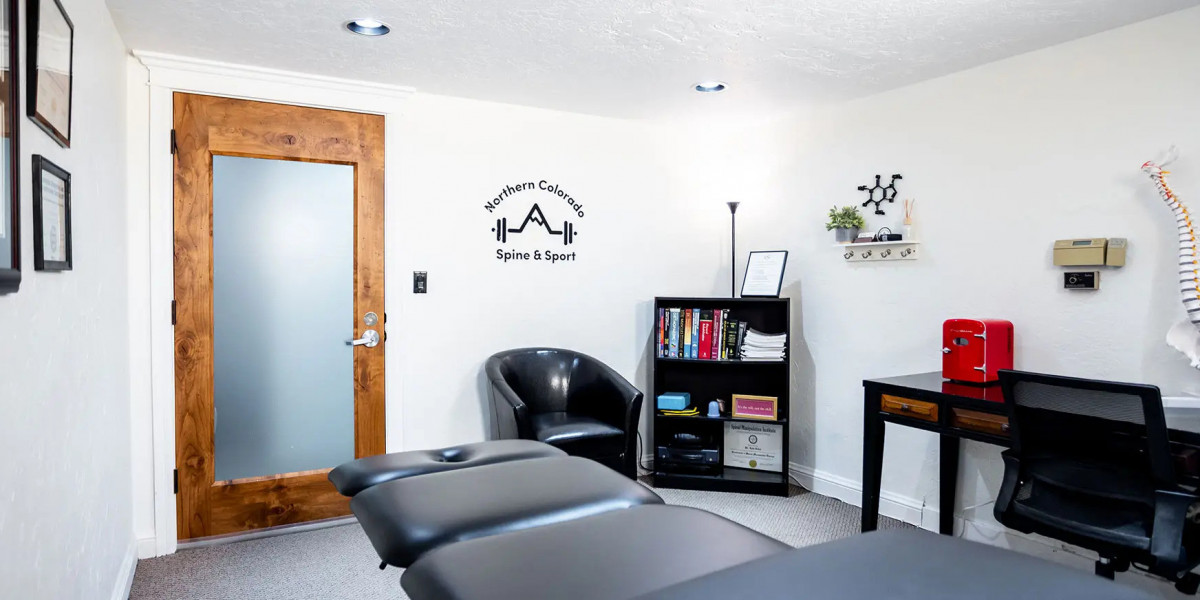

Physical discomfort can make everyday life more challenging than it needs to be. Muscle tightness, joint stiffness, and limited movement may affect how you work, exercise, sleep, and enjoy your favorite activities. Even simple tasks such as reaching for something on a shelf, bending down, or taking a walk can become uncomfortable when your body is not moving properly.
These problems can develop for many reasons, including previous injuries, repetitive movements, prolonged sitting, and physical strain. Finding the right treatment can help you address these concerns and improve your ability to stay active.
Manual therapy is a hands on treatment approach used by physical therapists to help manage certain types of pain and movement restrictions. It focuses on muscles, joints, and surrounding soft tissues through specific techniques. For individuals exploring manual therapy in Loveland, CO, understanding the treatment process and its potential benefits can help them make informed decisions about their physical health.
What Is Manual Therapy in Physical Therapy?
Manual therapy is a treatment method that involves hands on techniques performed by a trained physical therapist. The therapist uses controlled movements and pressure to work with muscles, joints, and soft tissues.
The purpose is to improve comfortable movement, address stiffness, and help manage certain types of musculoskeletal discomfort. Treatment techniques are selected according to the patient's condition, symptoms, and physical abilities.
Manual therapy is often combined with therapeutic exercises and movement education. This allows patients to work on flexibility, strength, and coordination while addressing specific movement limitations.
Common Manual Therapy Techniques
Different techniques may be used depending on the area being treated and the patient's needs.
Joint mobilization: Gentle, controlled movements are applied to joints to help improve mobility and reduce stiffness.
Soft tissue mobilization: The therapist applies specific pressure to muscles and surrounding tissues to address tightness and movement restrictions.
Therapeutic massage: Hands on movements may help relax tense muscles and provide short term comfort.
Myofascial release: Gentle pressure is applied to connective tissues surrounding muscles to address areas of tightness.
Not every technique is appropriate for every patient. A physical therapist first evaluates the condition and determines which methods may be beneficial.
How Manual Therapy Can Help Improve Daily Movement
Muscle and joint problems can affect how comfortably a person moves throughout the day. When certain areas become stiff or painful, normal activities may require more effort.
Manual therapy may help address some of these physical limitations and support better movement.
Reducing Muscle Tension
Muscle tension can develop from sitting for extended periods, performing repetitive tasks, exercising, or placing repeated stress on certain body areas.
Tight muscles may make it difficult to bend, reach, turn, or change positions comfortably. Manual therapy techniques may help relax affected tissues and improve short term comfort.
However, maintaining better movement often requires additional steps, such as stretching, strengthening, and regular physical activity.
Improving Joint Mobility
Joints allow the body to move through different positions. When they become stiff, everyday activities such as walking, reaching overhead, and climbing stairs may become more difficult.
Manual therapy may help improve joint mobility in certain musculoskeletal conditions. A physical therapist can also recommend exercises that strengthen surrounding muscles and support better joint movement.
Supporting Pain Management
Pain can result from muscle strain, overuse, injuries, or joint irritation. Manual therapy may help manage certain types of discomfort by addressing muscle tension and movement restrictions.
Treatment outcomes vary depending on the underlying condition and the patient's overall health. For many people, hands on treatment works best when combined with an active rehabilitation program.
Encouraging Better Movement Patterns
When movement becomes uncomfortable, people sometimes change how they perform everyday tasks. For example, someone with lower back discomfort may avoid bending, while someone with shoulder stiffness may limit reaching.
A physical therapist can assess these movement patterns and recommend appropriate exercises and techniques. This may help patients gradually return to more comfortable activities.
Conditions That May Benefit From Manual Therapy
Manual therapy may be included in treatment plans for different muscle and joint conditions. However, the right treatment depends on an individual's symptoms and professional evaluation.
Back and Neck Pain
Back and neck discomfort can develop from prolonged sitting, repetitive movements, physical strain, or certain joint conditions.
These problems may interfere with work, exercise, sleep, and household activities. Manual therapy may help improve mobility and provide short term relief for some types of back and neck pain.
A physical therapist may also recommend strengthening exercises and posture education to address contributing factors.
Sports and Exercise Injuries
Running, cycling, weightlifting, and recreational sports place physical demands on muscles and joints. Repeated stress or sudden movements can sometimes lead to injuries and movement restrictions.
Manual therapy may be used during rehabilitation to address stiffness and improve comfort. A complete treatment program may also include strengthening, balance exercises, and gradual increases in physical activity.
Shoulder and Hip Stiffness
The shoulders and hips play an important role in everyday movement. Stiffness in these areas may make reaching, walking, bending, and climbing stairs more difficult.
A physical therapist can assess joint movement and surrounding muscles to identify possible limitations. Depending on the condition, manual techniques and targeted exercises may help improve comfortable movement.
Muscle Discomfort From Daily Activities
Long hours at a desk, repetitive work, and limited physical activity can contribute to muscle discomfort. These problems may develop gradually and become more noticeable over time.
Manual therapy may help address certain areas of tightness. Therapists can also recommend practical changes to daily routines to reduce unnecessary physical strain.
Why Manual Therapy Should Be Combined With Exercise
Hands on treatment is only one part of a complete physical therapy program. While manual techniques may help improve comfort and mobility, exercises help develop the strength and flexibility needed for everyday activities.
Strengthening Exercises
Strong muscles help support joints and allow the body to handle physical demands. Weakness in certain muscle groups may affect posture, balance, and movement.
A physical therapist may recommend exercises for the back, abdomen, hips, shoulders, and legs. These exercises should match the patient's current physical abilities and gradually become more challenging as strength improves.
Stretching and Flexibility Training
Limited flexibility can make everyday movements uncomfortable. Stretching exercises help improve the movement of certain muscles and joints.
A therapist can demonstrate appropriate stretches and explain how to perform them safely at home. Regular practice may help maintain flexibility and support physical function.
Posture and Movement Education
Daily habits can influence physical comfort. Sitting in one position for too long, lifting objects incorrectly, or repeating the same movements may contribute to physical strain.
Physical therapists can explain proper lifting techniques, recommend movement breaks, and provide guidance on improving posture during everyday activities.
What to Expect During a Manual Therapy Appointment
Understanding the treatment process can make your first physical therapy appointment more comfortable.
Initial Physical Evaluation
The first appointment generally begins with a discussion about your symptoms, medical history, previous injuries, and daily activities.
The therapist may assess posture, flexibility, muscle strength, balance, and joint movement. This information helps identify physical limitations and determine whether manual therapy is suitable.
Developing a Treatment Plan
After the evaluation, the therapist can recommend a treatment plan based on your physical condition and recovery goals.
The plan may include hands on techniques, therapeutic exercises, stretching, and movement education. Treatment methods can change as your physical abilities improve.
Evaluating Your Progress
Recovery takes time, and every patient responds differently. Follow up appointments allow the therapist to evaluate improvements in mobility, strength, and comfort.
Patients should communicate openly about their progress and mention any new or worsening symptoms. This helps the therapist make appropriate adjustments to the treatment approach.
How to Choose the Right Physical Therapist Near Me
Finding a qualified provider is an important step toward managing discomfort and improving physical movement. When searching for a physical therapist near me, consider the provider's professional qualifications, experience, and approach to patient care.
Here are five factors to consider:
Professional qualifications: Look for a licensed physical therapist with appropriate education and clinical training.
Relevant experience: Consider experience treating conditions similar to yours, including muscle injuries, joint stiffness, and sports related problems.
Available treatments: Ask about manual therapy, strengthening exercises, mobility training, and other rehabilitation services.
Communication: Choose a provider who explains treatment recommendations clearly and answers your questions.
Progress monitoring: Look for a therapist who evaluates your recovery and adjusts treatment when needed.
It is also helpful to ask about appointment availability, insurance coverage, and treatment costs before beginning care.
When Should You Consider Professional Physical Therapy?
Occasional muscle soreness may improve with rest and gentle movement. However, ongoing discomfort or difficulty performing normal activities may require professional attention.
Consider arranging an evaluation if you experience persistent muscle tension, recurring joint stiffness, limited movement after an injury, or discomfort that interferes with work and exercise.
Sudden severe pain, new weakness or numbness, and symptoms following a serious injury should receive prompt medical attention. New bowel or bladder control problems associated with back pain require emergency evaluation.
A physical therapist can assess your symptoms and determine whether manual therapy or another treatment approach may be appropriate.
Conclusion
Taking care of your muscles and joints is important for maintaining an active and comfortable lifestyle. Manual therapy may help address certain types of muscle tension, joint stiffness, and movement restrictions. When combined with strengthening exercises, stretching, and movement education, it can support a well rounded approach to physical recovery.
Finding a qualified physical therapist can help you understand your condition and explore appropriate treatment options. If you are researching manual therapy in Loveland, CO, Northern Colorado Spine and Sport is a provider to consider when exploring physical therapy services. Taking the first step toward a professional evaluation can help you work toward better mobility, improved comfort, and greater confidence in your everyday activities.





