
Every car owner who values comfort, privacy, and protection has likely considered window tinting. The choice, however, often boils down to an important question: ceramic tint or regular tint? While both types offer benefits, understanding their differences is key to making a well-informed decision. This guide will provide clarity, discuss the pros and cons of each option, and help you choose the best tint for your needs.
Understanding the Basics of Window Tinting
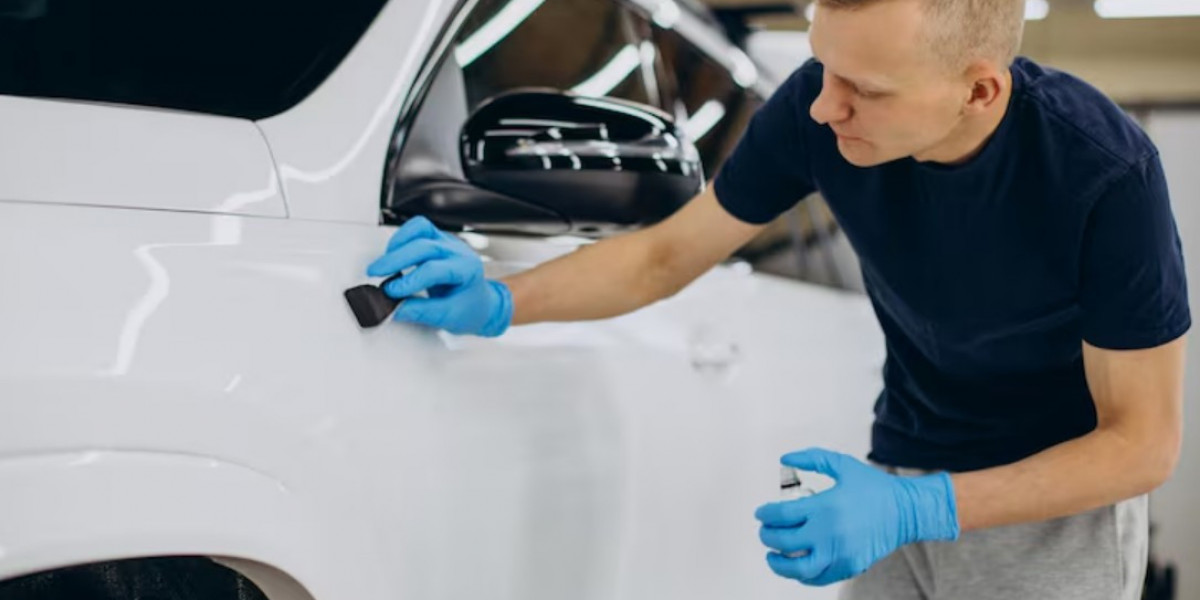
Window tinting involves applying a thin film to the windows of your vehicle. This film serves multiple purposes, improving the aesthetics of your car, reducing glare from sunlight, providing privacy, and offering a degree of protection from harmful ultraviolet (UV) rays.
While all tints perform some of these basic functions, the materials and technologies used can vary wildly between types. At the heart of the decision is how much performance, durability, and comfort you want from your tint.
What is Regular Tint?
Regular tint, more formally known as dyed film, is one of the earliest and most popular types of window tint. The process involves layering a dye between an adhesive and a protective polyester coating. This solution darkens the glass and shields your privacy while blocking a portion of sunlight.
Pros of Regular Tint
Cost-effective: Dyed tints are typically the most affordable window tinting option.
Effective for privacy: They do a good job of obscuring the interior of your car from onlookers.
Aesthetic enhancement: Dyed films give a uniform, attractive look to windows.
Cons of Regular Tint
Limited heat rejection: Regular tints absorb some heat but do not block as much infrared radiation as advanced films.
May fade over time: Exposure to strong sunlight over the years can cause the dye to fade, leading to a lighter or even purplish color.
Glare reduction but less UV protection: While it cuts glare, it does not deliver the highest UV or heat protection.
Introducing Ceramic Tint
Ceramic window tint represents the new frontier in automotive window film technology. Instead of dye, these films are crafted using ceramic particles that are invisible to the naked eye. Ceramic tints offer remarkable benefits in terms of heat rejection, UV protection, and clarity.
Standout Features of Ceramic Tint
Exceptional heat rejection: Ceramic film blocks up to 50 percent of solar heat energy, significantly reducing the temperature inside your car.
Superior UV protection: High-grade ceramic tints keep out over 99 percent of harmful ultraviolet rays.
No signal interference: Unlike some metallic tints, ceramic options do not affect radio, GPS, or cell signals.
Clarity and visibility: Enjoy the tint’s high visibility even at darker shades. Day or night, you get a crystal-clear view out.
Durability: Ceramic tints resist fading, bubbling, and discoloration far longer than regular dyed films.
Considerations with Ceramic Tint
Higher initial investment: Ceramic films can cost significantly more than regular dyed tints.
Professional installation required: Advanced films demand greater expertise to achieve optimal performance.
Ceramic Tint versus Regular Tint: A Direct Comparison
When comparing ceramic and regular tints, it is evident that ceramic films offer substantial technological advancements. Regular tints remain popular for budget-conscious drivers primarily interested in looks or basic privacy. However, for those who care about heat reduction, skin protection, lasting performance, and enhanced clarity, ceramic tints provide far superior value.
Heat and UV Protection
Ceramic tints excel at heat rejection and UV blocking. Drivers in hot climates or anyone sensitive to heat will appreciate the notable temperature difference ceramic tint makes. Protecting your vehicle’s interior and your skin from the sun’s rays is not just a comfort issue, it can also extend the life of your upholstery and reduce your long-term healthcare risks.
Appearance and Longevity
Over time, regular tints may fade and bubble, sometimes taking on a purple hue. Ceramic tints, however, are engineered to look as good as new for years, even in harsh sunlight. This not only maintains your car’s attractive appearance but also preserves the value you invested.
Technology and Connectivity
Modern drivers rely on uninterrupted cell, GPS, and radio signals. Some tint types with metallic components may disrupt these signals. Ceramic tint uses advanced, non-conductive materials, ensuring there’s no interference whatsoever.
Frequently Asked Questions
What’s the main reason to choose ceramic tint over regular tint?
Ceramic tint is chosen for its superior heat and UV rejection, as well as its long-lasting color stability and its ability to reject heat without darkening the window excessively.
Is ceramic tint worth the higher price?
If you value comfort, safety, and long-lasting results, ceramic tint’s cost reflects its advanced technology and durable performance. The benefits in heat reduction and UV protection alone can make it worthwhile for many drivers.
Does ceramic tint make it harder to see out of my car at night?
No. In fact, one of the key advantages of ceramic tint is its high clarity, even at darker shade levels. You will enjoy reduced glare without sacrificing your nighttime visibility.
Will either type of tint affect my electronic devices?
No, neither regular nor ceramic tint will block or degrade your electronic signals. However, ceramic tint is specifically engineered to have zero impact on device or radio reception.
Conclusion
The choice between ceramic and regular tint ultimately depends on your personal needs and budget. For those seeking attractive appearance and privacy at a lower price, regular tint remains a tried-and-true option. For drivers who demand the latest technology, optimal protection, and long-term value, ceramic tint sets a new standard. Whichever you choose, professional installation is crucial for ensuring your investment pays off for years to come.