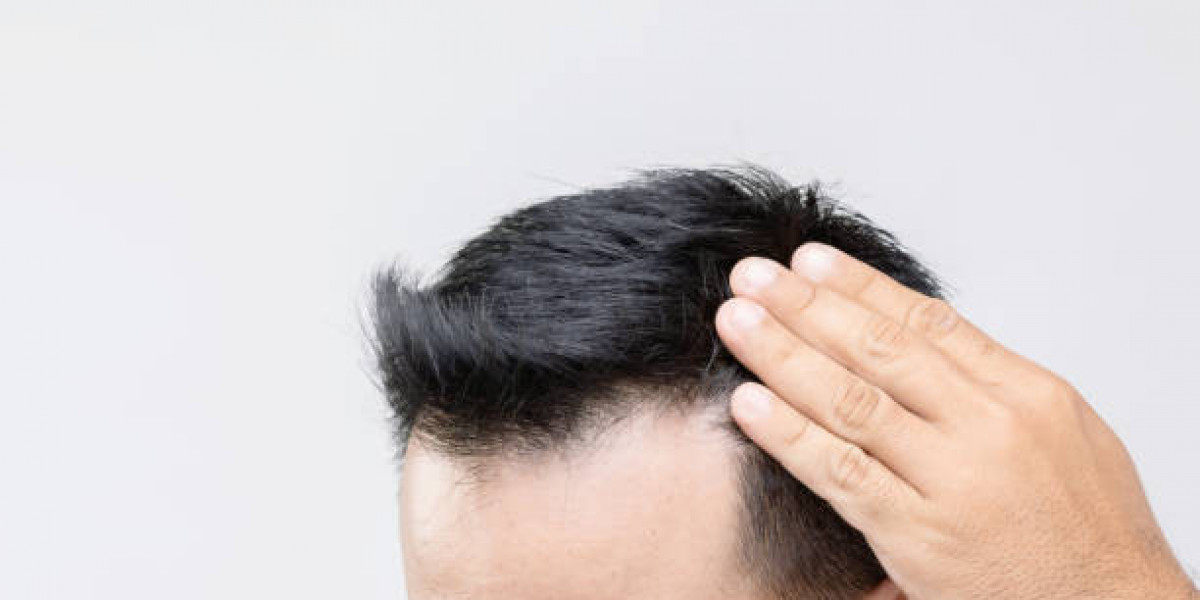

Maintaining healthy hair density is an important concern for people experiencing gradual thinning or noticing changes in their hairline and scalp coverage. Even when significant hair loss has not occurred, weakened follicles may gradually produce finer strands, making the hair appear less full over time. Platelet-rich plasma (PRP) therapy is one option being explored to support existing hair follicles and improve hair quality. For individuals considering PRP Hair Treatment in Riyadh, understanding how this procedure may help maintain existing hair density can provide useful insight into its potential benefits and limitations.
PRP therapy uses concentrated platelets obtained from a small sample of the patient's own blood. These platelets contain growth factors and signaling proteins involved in cellular communication and tissue repair. After the blood is processed, the prepared plasma is injected into selected areas of the scalp. The aim of PRP Hair Treatment in Riyadh is to support the biological environment around existing follicles, potentially helping suitable patients maintain or improve hair thickness and density.
What Does Existing Hair Density Mean?
Hair density refers to the number of hair strands growing within a particular area of the scalp. It contributes to the overall fullness and appearance of the hair. When follicles produce thick strands, the scalp generally appears more covered. However, when follicles become smaller or produce finer hair, density may appear reduced even if some follicles remain active.
Several factors can influence hair density, including genetics, hormonal changes, ageing, nutritional deficiencies, medical conditions, and scalp health. Identifying the reason behind thinning is important before selecting a treatment.
How Does PRP Therapy Work?
PRP treatment usually begins with collecting a small amount of blood from the patient. The sample is placed in a centrifuge, which separates its components and concentrates the platelets within a portion of plasma. This prepared solution is then injected into selected areas of the scalp using fine needles.
When activated, platelets release growth factors that participate in tissue repair and cellular signaling. Researchers are studying how these substances may influence cells around hair follicles and support their activity. PRP is generally considered a treatment for selected types of hair thinning rather than a solution for every cause of hair loss.
How PRP May Help Maintain Existing Hair Density
Supporting Active Hair Follicles
Hair follicles contain specialised cells that help regulate the production of hair strands. PRP growth factors may influence communication between these cells and the surrounding scalp tissue. This potential effect may support follicles that remain active but are producing thinner hair.
Maintaining follicle activity is important because weakened follicles may gradually produce less noticeable strands. However, individual responses vary, and PRP cannot reliably restore follicles that have been permanently destroyed.
Supporting Hair Thickness
Some individuals experience follicular miniaturisation, particularly with hereditary hair loss. During this process, follicles gradually become smaller and produce finer strands. PRP is being studied for its potential to support follicle activity and improve hair thickness in selected patients.
When existing strands become thicker, the overall appearance of the scalp may look fuller. However, results depend on the condition of the follicles and the underlying cause of hair thinning.
Influencing the Hair Growth Cycle
Hair naturally moves through three main stages: anagen (growth), catagen (transition), and telogen (resting). In certain types of hair loss, the growth phase may become shorter, while more follicles enter the resting stage.
PRP may influence biological signals associated with follicle activity and the hair growth cycle. Some patients may experience improvements in hair thickness or density, although further research is needed to establish how consistently these effects occur.
Supporting the Scalp Environment
The surrounding scalp tissue plays an important role in maintaining healthy follicles. Platelets release growth factors, including platelet-derived growth factor (PDGF) and vascular endothelial growth factor (VEGF), which participate in cellular communication and tissue-related processes.
Researchers are investigating whether these signals help create a more supportive environment around existing follicles. This may contribute to the potential benefits of PRP, but it does not guarantee improved scalp circulation or prevent every form of hair loss.
Can PRP Prevent Further Hair Thinning?
PRP may help selected individuals manage certain types of hair thinning, particularly when follicles remain active. However, it should not be considered a guaranteed method of preventing future hair loss. Hereditary hair loss, hormonal changes, and other underlying conditions may continue to affect follicle function.
A professional assessment can help identify the cause of thinning and determine whether PRP should be considered alone or alongside other evidence-based treatments. PRP Hair Treatment in Riyadh is most appropriately planned according to the individual's scalp condition, medical history, and restoration goals.
Who May Benefit From PRP for Hair Density?
People experiencing early-stage hair thinning, reduced volume, or gradual changes in hair thickness may be considered for PRP. It may be particularly relevant when existing follicles are still producing hair but have become weaker.
However, people with sudden shedding, patchy hair loss, active scalp infections, or scarring conditions may require further medical evaluation. A dermatologist or qualified hair restoration practitioner can examine the scalp and recommend an appropriate treatment approach.
How Long Does It Take to Notice Changes?
PRP does not produce immediate results because hair follicles need time to respond and generate new strands. Some patients may notice reduced shedding before seeing visible improvements in thickness or density. Changes, when they occur, generally develop gradually over several months.
The number of sessions and the need for maintenance depend on individual needs and the treatment protocol. PRP Hair Treatment in Riyadh should involve realistic expectations and follow-up assessments to evaluate the response.
Book a Hair Restoration Consultation at Royal Clinic Saudia
Maintaining existing hair density begins with understanding the condition of your follicles and identifying the cause of thinning. Royal Clinic Saudia offers consultations to assess hair concerns, discuss suitable restoration options, and explain realistic treatment expectations. Book an appointment to receive professional guidance based on your scalp condition and hair goals.
FAQs:
Can PRP therapy help maintain existing hair density?
PRP may support existing follicles and improve hair thickness in selected individuals. However, results vary, and it cannot guarantee that future hair loss will be prevented.
Is PRP suitable for people with early hair thinning?
It may be considered for individuals whose follicles remain active but produce finer strands. A professional assessment helps determine whether the treatment is appropriate.
How many PRP sessions are needed to maintain hair density?
The number of sessions depends on the individual's hair condition, response, and treatment protocol. A qualified practitioner can recommend a suitable schedule.
Can PRP maintain hair density permanently?
PRP does not provide guaranteed permanent results. Some patients may require maintenance sessions, and ongoing hair loss may need additional treatment depending on its cause.