
Healthy, smooth, and glowing skin is something many people strive for, but everyday exposure to sunlight, pollution, dust, and other environmental factors can gradually affect the skin's appearance. Dead skin cells can accumulate on the surface, pores may become congested, and uneven texture, dullness, and minor pigmentation can become more noticeable. Although regular skincare helps maintain skin health, sometimes the skin needs additional support to look fresh and renewed.
This is where microdermabrasion comes in. It is a popular non-invasive skin resurfacing treatment designed to exfoliate the outermost layer of the skin, remove accumulated dead skin cells, and encourage a smoother-looking complexion. People considering Microdermabrasion in Oman often want to understand what actually happens to their skin during the procedure, how the treatment works, and what kind of results they can expect.
Microdermabrasion offers a practical approach to improving skin texture and brightness without surgery or extensive downtime. However, understanding the treatment process, its benefits, and its limitations is important before making a decision. From the initial exfoliation to the skin's recovery afterward, every stage plays a role in achieving a refreshed appearance.
1. Understanding What Microdermabrasion Does to the Skin
Microdermabrasion is a non-invasive cosmetic exfoliation procedure that removes dead skin cells from the outermost layer of the skin, known as the stratum corneum. This layer naturally sheds old cells as part of the skin's renewal process. However, dead cells can sometimes accumulate, contributing to a rough texture, dull appearance, and uneven complexion.
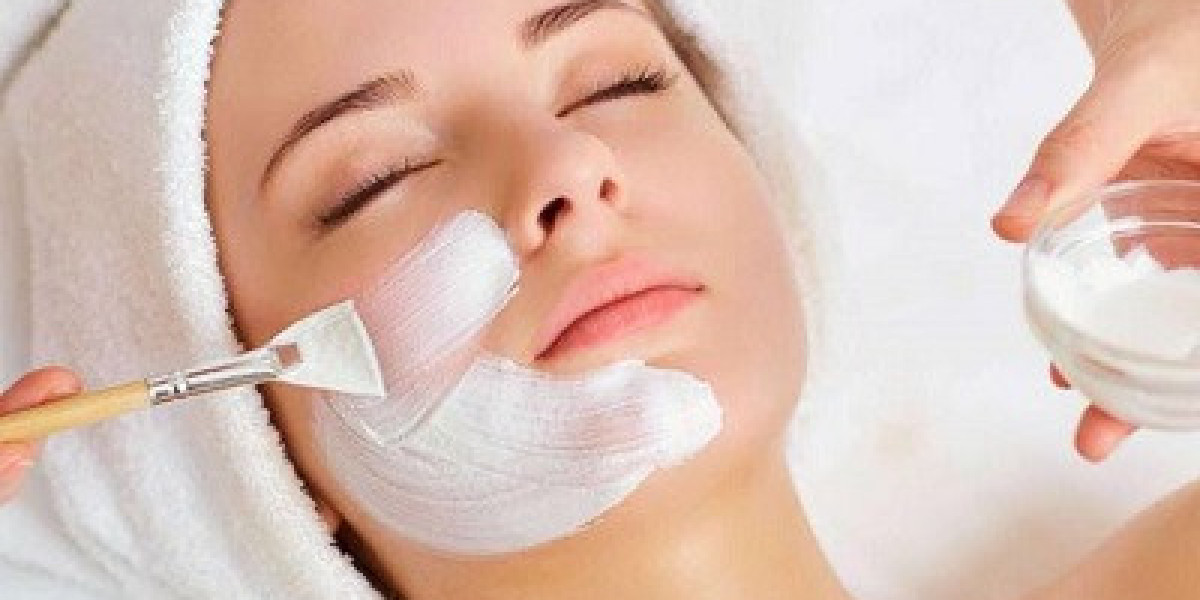
The treatment uses a specialized handheld device to gently exfoliate the skin. Depending on the technology, the device may use fine crystals or a diamond-tipped applicator to loosen and remove surface cells. A gentle vacuum mechanism may also collect the exfoliated material.
During the procedure, the device moves across the skin in controlled passes. This helps remove superficial dead cells while leaving deeper skin structures largely unaffected.
The treatment generally focuses on improving concerns such as:
Dull or tired-looking skin.
Uneven skin texture.
Mild superficial pigmentation.
Rough patches and dry surface skin.
Congested pores and certain types of superficial blemishes.
Fine lines associated with surface skin changes.
Mild acne-related textural concerns.
One important point is that microdermabrasion primarily works on the skin's surface. It does not significantly penetrate deeper skin layers or treat deep wrinkles, severe acne scars, or substantial pigmentation problems.
For individuals considering Microdermabrasion in Oman, understanding these treatment capabilities helps establish realistic expectations and determine whether the procedure is appropriate for their skin concerns.
2. What Happens to Your Skin During the Microdermabrasion Procedure?
The most interesting aspect of microdermabrasion is how the skin responds during each stage of treatment. Although the procedure is relatively straightforward, several processes take place on the skin's surface.
Initial Skin Cleansing
Before the procedure begins, the skin is thoroughly cleansed to remove makeup, sunscreen, excess oil, and environmental impurities. Clean skin allows the treatment device to make better contact with the surface.
The treatment provider may also examine the skin to identify sensitive areas, active breakouts, irritation, or other conditions that could affect treatment suitability.
Exfoliation of Dead Skin Cells
Once the skin is prepared, the microdermabrasion device is gently moved across the treatment area.
The device creates controlled mechanical exfoliation, loosening dead skin cells from the outermost layer. These cells are then removed through the device's collection system or vacuum mechanism.
As the treatment progresses, the skin's surface becomes more evenly exfoliated. Removing accumulated dead cells can help reveal the fresher-looking skin underneath.
Increased Surface Circulation
The gentle mechanical stimulation associated with the procedure can temporarily increase blood flow near the treated skin surface.
This may contribute to a mild pink or flushed appearance immediately afterward. The temporary redness is generally a normal response, although its intensity varies depending on skin sensitivity and treatment settings.
Improved Skin Smoothness
As the outer layer of accumulated dead cells is removed, the skin may feel softer and smoother.
Areas that previously felt rough or uneven can become more refined. This is one reason microdermabrasion is commonly selected by individuals looking to improve overall skin texture.
The procedure usually takes approximately 20 to 40 minutes, depending on the treatment area and individual requirements. Most people describe the sensation as gentle scratching, light suction, or mild vibration rather than significant discomfort.
3. How Microdermabrasion Improves Skin Texture, Tone, and Appearance
Microdermabrasion does more than simply remove visible dead skin cells. By improving the condition of the skin's outer surface, it can help create a healthier-looking and more balanced complexion.
Removes Surface Buildup
Dead skin cells, excess oil, and everyday impurities can make the complexion appear uneven or lifeless. Regular exfoliation helps remove this surface buildup.
Microdermabrasion provides controlled exfoliation that can improve the appearance of rough or congested skin.
Promotes a Brighter Complexion
A buildup of dead cells can make skin look dull. Once these cells are removed, the surface may reflect light more evenly, giving the complexion a fresher appearance.
This improvement is particularly noticeable in people whose skin looks tired because of dryness or accumulated surface debris.
Refines the Appearance of Pores
Although microdermabrasion cannot permanently shrink pores, it can remove surface debris and dead cells that contribute to their visible appearance.
With cleaner-looking pores and smoother surrounding skin, the complexion may appear more refined.
Softens the Appearance of Fine Lines
Fine lines can sometimes appear more noticeable when the skin is dry or rough. Removing accumulated dead skin cells may help improve the appearance of these superficial lines.
However, microdermabrasion does not replace treatments designed to address deeper wrinkles or significant loss of skin elasticity.
Supports a More Even Skin Tone
The procedure can improve certain types of superficial discoloration by exfoliating the outermost layer of the skin.
It may be helpful for mild unevenness caused by surface pigmentation, although deeper melasma, pronounced sun damage, and stubborn pigmentation usually require a different treatment approach.
People exploring Microdermabrasion in Oman should understand that results depend on skin condition, treatment technique, and individual response. A professional skin assessment can help determine whether the procedure matches their goals.
4. What Happens to Your Skin Immediately After Microdermabrasion?
After the treatment, the skin may look and feel different because the outermost layer has undergone controlled exfoliation.
Some changes are immediately noticeable, while others develop over the following days.
Temporary Redness
Mild redness or pinkness is common immediately after treatment. This happens because the skin has experienced mechanical stimulation.
For most people, this settles within several hours, although sensitive skin may take longer to return to its usual appearance.
Slight Tightness or Sensitivity
The skin may feel slightly tight, dry, or sensitive after exfoliation. This is because the protective outer surface has been temporarily affected.
Using a gentle moisturizer can help maintain hydration and improve comfort.
A Softer Surface
One of the most noticeable changes is the feeling of smoother skin. Removing accumulated dead cells can make the surface feel softer and less rough.
Some people also notice that their complexion looks brighter shortly after the procedure.
Temporary Dryness
Mild dryness or flaking may occur, particularly in people with naturally dry or sensitive skin.
This is why proper aftercare is essential. Gentle cleansing, regular moisturizing, and sun protection help support the skin while it recovers.
It is important to avoid aggressive exfoliation, strong skincare products, and unnecessary friction immediately after treatment.
5. Recovery, Aftercare, and How to Maintain Your Results
Microdermabrasion is generally associated with minimal downtime, but the skin still needs appropriate care after the procedure. Since the treatment removes some of the outermost dead skin cells, the skin may temporarily become more sensitive to environmental factors.
A simple skincare routine can help maintain comfort and support recovery.
Use a Gentle Cleanser
After treatment, the skin should be cleaned with a mild, fragrance-free cleanser. Harsh soaps, exfoliating cleansers, and abrasive facial scrubs should be avoided until the skin has fully settled.
Gentle cleansing helps remove impurities without causing unnecessary irritation.
Keep the Skin Moisturized
Hydration is particularly important after exfoliation. A gentle moisturizer can help reduce dryness and support the skin barrier.
Products containing ingredients such as hyaluronic acid, ceramides, or glycerin may help maintain moisture.
Apply Sunscreen Daily
Sun protection is one of the most important parts of post-treatment care.
Freshly exfoliated skin can be more vulnerable to irritation from ultraviolet exposure. Applying broad-spectrum SPF 30 or higher and reapplying as directed helps protect the skin.
This is especially relevant in Oman, where strong sunlight and high temperatures can increase everyday UV exposure.
Avoid Strong Active Ingredients Temporarily
Products containing retinoids, exfoliating acids, benzoyl peroxide, or strong vitamin C formulations may cause additional irritation immediately after treatment.
The timing for restarting these products depends on individual skin sensitivity and the treatment provider's instructions.
Avoid Excessive Heat and Friction
Hot showers, steam rooms, saunas, intense heat exposure, and vigorous exercise may worsen temporary redness or irritation.
It is generally advisable to allow the skin to settle before returning to activities that cause excessive heat or friction.
Maintain a Suitable Treatment Schedule
Microdermabrasion results are not permanent because the skin continues its natural renewal process.
Some individuals may benefit from a series of treatments, while others may only need occasional sessions. Treatment frequency should depend on skin type, sensitivity, and the specific concern being addressed.
A qualified skincare professional can recommend an appropriate schedule without over-exfoliating the skin.
6. Who Is a Suitable Candidate for Microdermabrasion in Oman?
Microdermabrasion may be suitable for individuals who want to improve mild surface-level skin concerns without undergoing an invasive procedure.
It is commonly considered by people experiencing:
Dullness and uneven skin texture.
Mild superficial pigmentation.
Rough or dry surface patches.
Minor congestion and blackheads.
Early superficial signs of skin ageing.
A generally uneven-looking complexion.
However, not everyone is an ideal candidate.
People with active inflammatory acne, rosacea flare-ups, eczema, psoriasis, open wounds, skin infections, or severely irritated skin may need to avoid the treatment until their condition is properly managed.
Individuals with darker skin tones should also receive an appropriate assessment. Although microdermabrasion is generally a superficial treatment, excessive mechanical irritation can trigger post-inflammatory hyperpigmentation in susceptible individuals.
People who have recently undergone chemical peels, laser procedures, or other resurfacing treatments should discuss suitable waiting periods before scheduling microdermabrasion.
Pregnant individuals and those using prescription skincare treatments should also discuss their circumstances with a qualified healthcare professional before proceeding.
For anyone considering Microdermabrasion in Oman, selecting a qualified treatment provider and receiving an individualized skin assessment are important steps toward achieving safe and satisfactory results.
Frequently Asked Questions About Microdermabrasion
1. Does microdermabrasion hurt?
Microdermabrasion is generally considered a comfortable procedure. Most people experience mild scratching, vibration, or suction sensations during treatment. Significant pain is not expected. However, individuals with sensitive skin may experience temporary discomfort or redness.
2. How long does a microdermabrasion session take?
A typical session takes approximately 20 to 40 minutes, depending on the treatment area and individual skin requirements. Additional time may be needed for cleansing, skin assessment, and post-treatment care.
3. How soon can someone see results after microdermabrasion?
Some people notice softer skin and a brighter appearance immediately after their first session. Improvements in overall texture may become more noticeable with repeated treatments. Results vary according to skin condition and the concern being addressed.
4. Is microdermabrasion suitable for sensitive skin?
Microdermabrasion may not be appropriate for everyone with sensitive skin. Individuals who experience frequent irritation, redness, rosacea, or skin barrier damage should receive a professional assessment before considering treatment. Gentler skincare alternatives may be more suitable.
5. How often should microdermabrasion be performed?
Treatment frequency depends on skin type, sensitivity, and desired results. Sessions are often spaced several weeks apart to allow the skin to recover. A qualified professional can recommend a schedule based on individual skin needs.
6. Can microdermabrasion remove acne scars and dark spots?
Microdermabrasion may improve mild surface irregularities and some superficial pigmentation. However, it cannot reliably remove deep acne scars, pitted scars, or deeper pigmentation concerns. These conditions may require other dermatological treatments following an appropriate assessment.
Final Thoughts
Microdermabrasion is a popular non-invasive treatment that helps improve the appearance of skin by removing accumulated dead cells and encouraging a smoother surface. During the procedure, controlled mechanical exfoliation removes superficial buildup, while the skin may experience temporary redness, mild sensitivity, and a refreshed appearance afterward.
With appropriate aftercare, moisturizing, and consistent sun protection, many individuals can maintain the benefits of the treatment while supporting overall skin health.
For those exploring Microdermabrasion in Oman, understanding the procedure, its benefits, limitations, and recovery requirements can make the decision-making process easier. The most suitable approach always depends on individual skin needs, and a professional assessment can help determine whether microdermabrasion is the right option.
Healthy-looking skin is not achieved through a single treatment alone. Consistent skincare habits, sun protection, hydration, and appropriate professional treatments all contribute to maintaining a smoother, brighter, and more balanced complexion.
Read More About Microdermabrasion: https://gracebook.app/blogs/232286/Is-Microdermabrasion-a-Good-Choice-Before-a-Photoshoot