
A finished office chair looks like a single object, but it is really the sum of several distinct manufacturing processes layered on top of one another. Each process has its own equipment, its own skilled operators, and its own quality checkpoints, and weakness in any one of them shows up in the final product no matter how strong the others are. MSDA runs six core production processes under one roof, which gives the company control over every stage rather than assembling parts sourced from unknown suppliers. Understanding what each process contributes explains why some office chair manufacturer hold up for a decade while others start failing within a year.
Foam Molding and Cushion Formation
The first process shapes the materials that users feel most directly. Foam arrives as raw blocks and gets cut, molded, and contoured into seat cushions and backrests with different densities across different zones. Softer foam near the front edge relieves pressure behind the knees, while firmer foam toward the rear supports the pelvis. Molds ensure consistency so that the thousandth cushion matches the first. Operators monitor density and curing conditions throughout, since foam that cures incorrectly loses resilience prematurely. This process rarely gets attention in product marketing, yet it determines whether a chair still feels supportive after three years of daily use or has flattened into a hard platform.
Metal Frame Fabrication and Welding
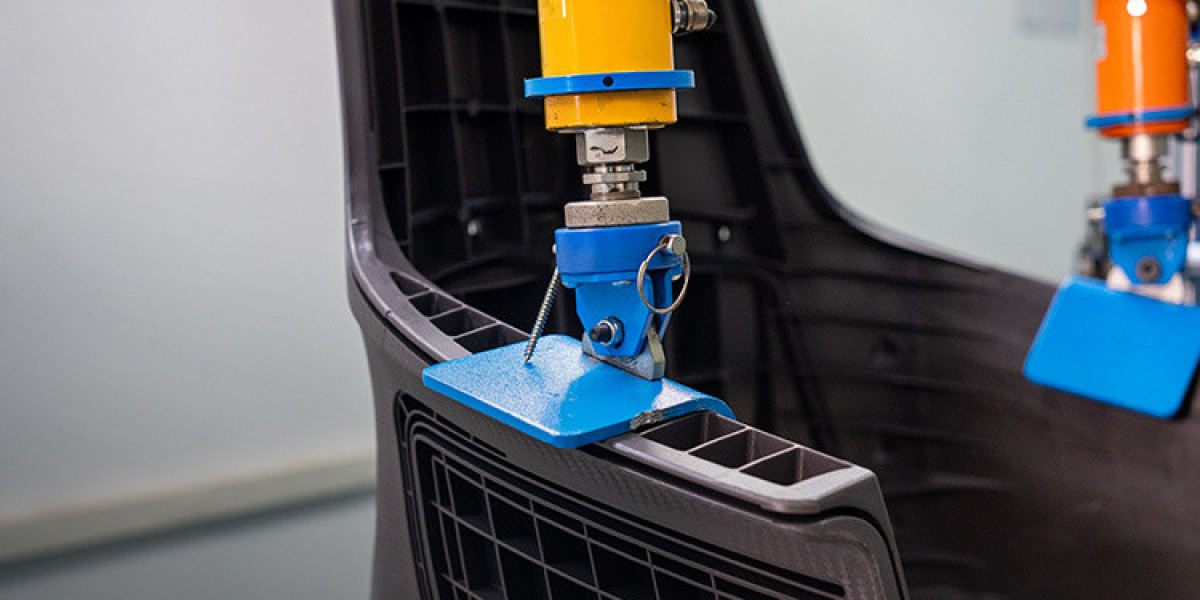
Beneath the foam and fabric sits the frame that carries every load the chair will ever bear. MSDA's fabrication shop cuts, bends, and welds metal components to precise tolerances, with particular attention to joints where stress concentrates. Welds are inspected rather than assumed, because a poor weld can fail suddenly under load with no warning. Frames are treated and finished to resist corrosion, and dimensional checks confirm that components will align correctly during assembly. This process produces the skeleton that makes everything else possible, and shortcuts here produce chairs that wobble, creak, or worse. Buyers evaluating any manufacturer should ask how frames are fabricated and inspected.
Precision Plastic Injection Molding
Modern office chairs rely heavily on engineered plastics for bases, armrests, mechanism housings, and countless smaller components. MSDA operates injection molding equipment that produces these parts to tight specifications, using glass-filled nylon and other engineering-grade polymers where strength matters. Mold maintenance receives ongoing attention, since worn tooling produces parts with flash and dimensional drift. Each production run is sampled and checked against specifications. This process allows complex shapes that would be expensive or impossible to produce in metal, while maintaining the strength needed for structural components. Consistent molding is what lets a chair's many plastic parts fit together properly.
Upholstery Cutting and Stitching
Fabric and leather transform a structural frame into something people want to sit in, and the upholstery process demands both precision and craft. Patterns are cut according to templates that minimize waste while ensuring grain direction and pattern alignment remain consistent. Stitching is performed by skilled operators who understand how seams affect both appearance and durability. Seams must be strong enough to survive years of use, straight enough to look professional, and positioned to avoid creating pressure points. For branded orders, embroidery and logo application happen at this stage. Sloppy upholstery undermines even the best frame, which is why MSDA treats it as a craft rather than an afterthought.
Mechanism Assembly and Testing
The mechanism, the collection of levers, springs, and cylinders that controls height, tilt, and recline, is the most complex assembly in any office chair. MSDA assembles mechanisms from precision components and tests each unit before it enters the main production line. Gas lifts are checked for smooth operation and correct pressure ratings. Tilt tension adjustments are verified through their full range. Recline locks engage and release properly. Mechanisms that fail testing get pulled rather than passed along in hope. This process demands patience, because a mechanism that works perfectly in the factory may behave differently after installation, and thorough testing catches problems while fixes remain inexpensive.
Final Assembly and Quality Verification
The last production process brings everything together. Frames, foam, upholstery, mechanisms, bases, and casters converge at assembly stations where workers combine them into finished chairs. Each station performs defined verification before passing units forward, checking fit, alignment, and completeness. Torque settings on fasteners are standardized and audited. Any chair showing irregularity gets pulled for review. Sampling protocols confirm batch consistency, and records trace every unit back to its production date and component lots. This final process is where the preceding five either pay off or reveal their weaknesses, and it is the stage where MSDA's commitment to doing things properly becomes a physical product ready for shipping.
Why Integrated Production Matters for Buyers
Running all six processes under one roof gives MSDA advantages that buyers feel directly. Quality problems can be traced to their source rather than blamed on an anonymous supplier. Production schedules coordinate across processes, so a delay in one stage gets communicated and managed rather than discovered at the end. Custom orders can be accommodated by adjusting specific processes without disrupting the whole system. Most importantly, the company owns responsibility for the entire chair, which means warranty claims and quality issues get addressed without finger-pointing. For buyers, this integration provides assurance that the chair they receive reflects genuine manufacturing control from raw material to finished product.