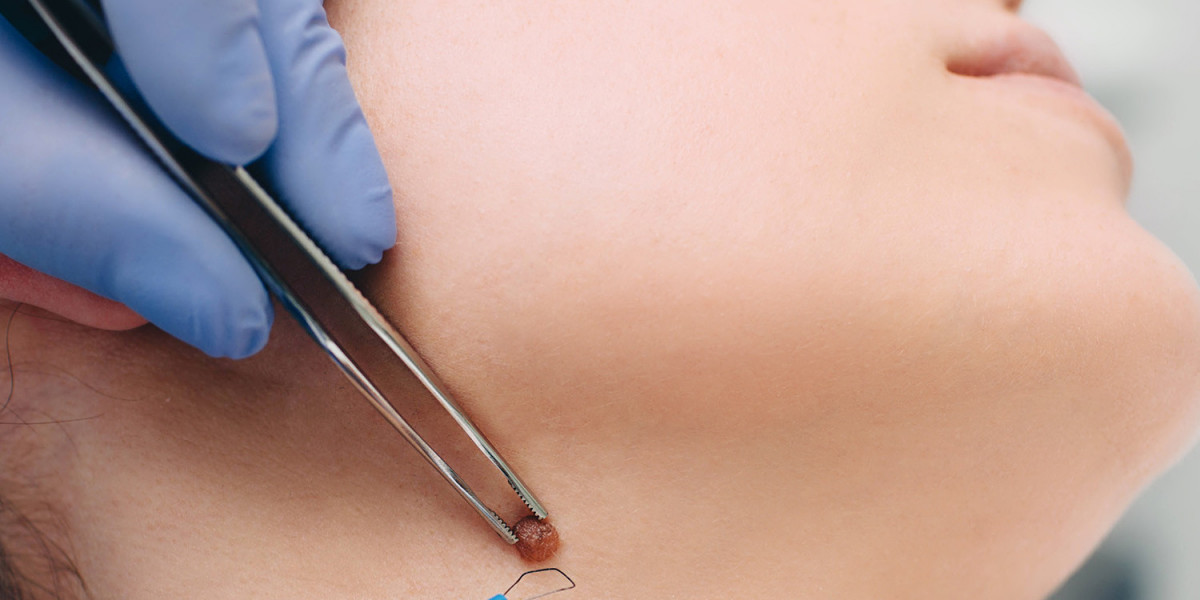

Moles are common skin growths that can appear anywhere on the body, including the face, neck, shoulders, and back. Some are flat and blend into the skin, while others are raised, textured, or slightly darker than the surrounding area. Although most moles are harmless, some people consider removing them for cosmetic reasons, especially when they affect the appearance of the skin or become irritated by clothing, shaving, or everyday activities. Understanding how Mole Removal in Dubai works can help individuals make informed decisions about their skin health.
The treatment approach depends on several factors, including the mole's size, depth, location, appearance, and whether it shows any suspicious changes. Flat moles may require a different approach from raised moles because their pigment and tissue can extend to different depths within the skin. A qualified medical professional can assess these characteristics and recommend an appropriate method.
Common removal techniques include surgical excision, shave removal, and selected laser procedures. However, laser treatment is not suitable for every mole, particularly when a lesion needs laboratory examination to rule out skin cancer. A proper assessment is therefore an important part of the process.
People exploring treatment options can also consider the consultation process, practitioner qualifications, hygiene standards, and the availability of follow-up care. Clinics such as Dynamic Life Clinic, Tajmeels Clinic, and Enfield Royal Clinic, alongside other healthcare providers, may be considered when researching aesthetic skin services. The priority should always be medical suitability and safety rather than appearance alone.
Understanding the Difference Between Raised and Flat Moles
Raised and flat moles differ in their appearance and the way their tissue sits within the skin. These differences can influence which removal technique a medical professional recommends.
Flat moles usually appear as small, pigmented spots that remain level with the surrounding skin. Their colour may range from light brown to dark brown, and some develop gradually over time. Depending on their characteristics, a professional may recommend monitoring, surgical removal, or another suitable approach.
Raised moles extend above the skin's surface and may feel smooth, soft, or slightly rough. Some contain deeper tissue, which can affect how completely they can be removed. Shave removal or surgical excision may be considered after assessment.
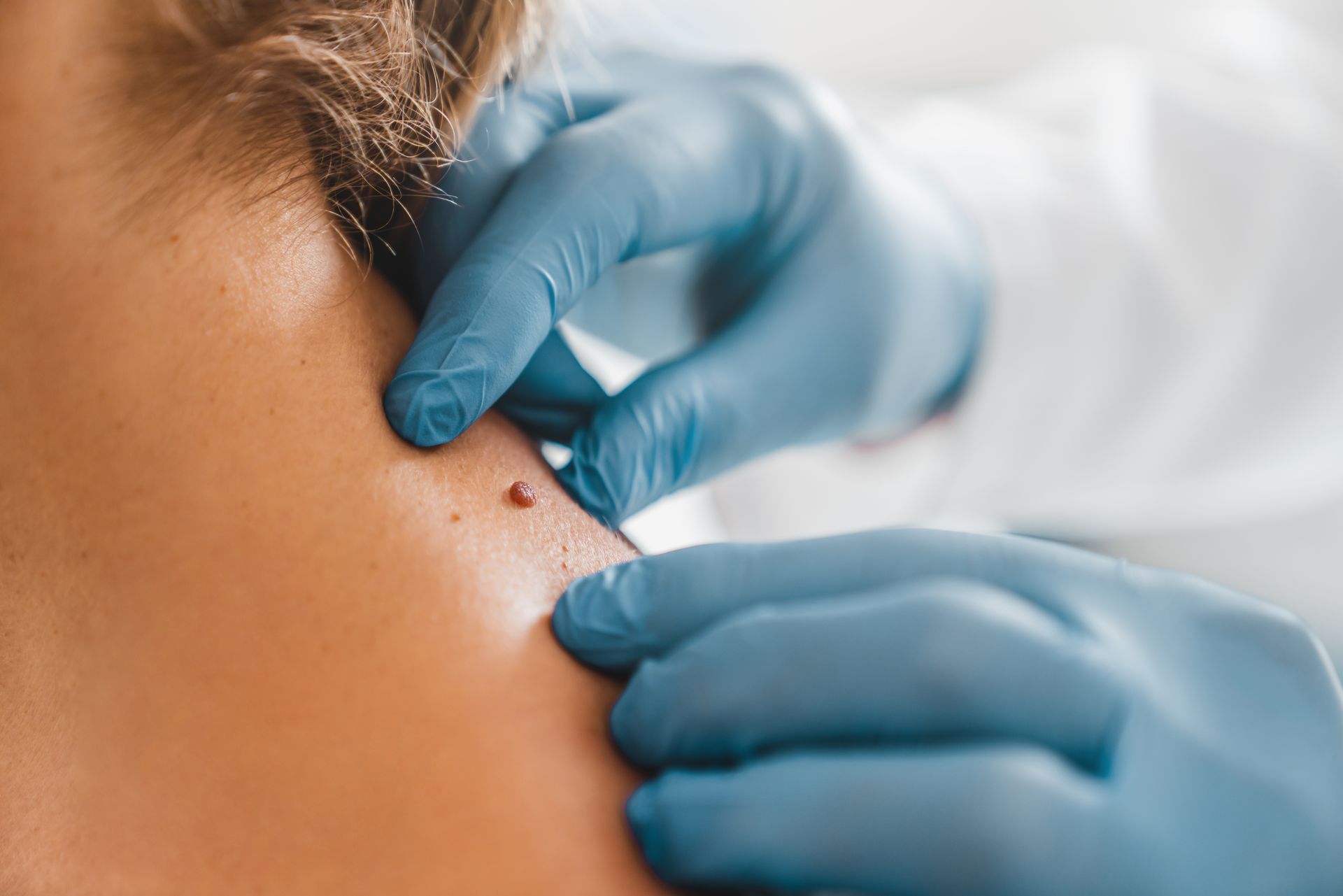
It is important to remember that a mole's appearance alone cannot establish whether it is harmless. Moles that change in size, shape, or colour, or that bleed, itch persistently, or develop irregular borders, should be medically evaluated before cosmetic treatment is considered.
How Does Mole Removal Work?
The procedure begins with an examination of the mole and the surrounding skin. The practitioner considers its size, colour, depth, location, and medical history before discussing the available options.
Local anaesthesia may be used for minor surgical procedures to reduce discomfort. The selected technique depends on the mole's characteristics and whether a tissue sample needs to be examined.
Shave Removal for Selected Raised Moles
Shave removal involves using a sterile surgical instrument to remove a raised portion of the mole. It may be suitable for certain raised, benign lesions that do not require removal of the full depth of tissue.
The area is cleaned and numbed before the practitioner carefully removes the targeted tissue. The resulting wound is generally left to heal naturally, with aftercare instructions provided to help protect the skin.
Although this technique can produce a relatively quick procedure, the mole may recur if deeper cells remain. A small scar or change in pigmentation is also possible.
Surgical Excision for Deeper or Suspicious Moles
Surgical excision involves removing the mole and, when appropriate, a margin of surrounding skin. The wound may then be closed with stitches.
This approach is often considered when a mole is deeper, when complete removal is needed, or when the practitioner wants the tissue examined under a microscope. Laboratory analysis can help identify abnormal cells and determine whether further treatment is necessary.
Healing time depends on the location, size of the wound, and individual skin characteristics. Some scars may remain even after the area has healed.
Laser Treatment for Carefully Selected Lesions
Certain laser procedures target pigment or specific skin structures. They may be considered for selected benign pigmented lesions after a qualified professional has assessed the area.
However, laser treatment is not appropriate for every mole. It can alter or destroy tissue that might otherwise be needed for a laboratory diagnosis, and pigmentation may return if the lesion is not completely treated.
For this reason, suspicious or changing moles should be evaluated medically rather than treated solely for cosmetic reasons.
Clinics to Consider for Mole Removal Services
When researching providers, individuals should look beyond promotional claims and consider practitioner qualifications, consultation standards, available techniques, and the suitability of the proposed treatment.
Tajmeels Clinic
Tajmeels Clinic may be included in the research process for individuals exploring aesthetic skin services. Before proceeding with a mole-related procedure, prospective patients should confirm whether the clinic offers the specific treatment required and whether a qualified medical professional can assess the lesion.
A useful consultation should explain the differences between removing a raised mole and treating a flat pigmented lesion. Patients should also ask whether the tissue needs laboratory examination and what kind of scarring or pigmentation changes may occur.
Grand European Clinic
Grand European Clinic is another provider that individuals may investigate when comparing aesthetic treatment options. Anyone considering a mole procedure should confirm the availability of an appropriate medical assessment and the practitioner's experience with the relevant removal technique.
The consultation should cover the mole's characteristics, its location, the expected healing process, and possible complications. Patients should also understand whether the proposed method allows tissue analysis when clinically necessary.
Enfield Royal Clinic
Enfield Royal Clinic can be considered by individuals researching aesthetic skin procedures and consultation options. When discussing Mole Removal, patients should ask about the available techniques, the assessment process, and whether the recommended approach is suitable for the mole's depth and appearance.
A thorough discussion should include possible scarring, temporary redness, pigmentation changes, infection risks, and the possibility that a mole may recur. If a lesion appears suspicious, medical evaluation and appropriate tissue testing should take priority over cosmetic treatment.
Patients should confirm the practitioner's qualifications, the services currently available, and the follow-up arrangements before booking a procedure.
Dynamic Life Clinic
Dynamic Life Clinic may also be considered when researching skin-related aesthetic services. Individuals should verify whether the clinic provides the particular mole assessment or removal procedure they need.
A suitable consultation should address whether the mole is flat or raised, how deeply it extends into the skin, and which technique may provide the safest outcome. Patients should also ask about wound care, healing expectations, and the management of any resulting scar.
Fresha
Fresha can help individuals research beauty and personal care providers, compare service listings, and explore appointment options where available. However, a booking platform listing should not be treated as proof that a provider is medically qualified to diagnose or remove moles.
Anyone considering a mole procedure should independently verify the practitioner's medical credentials, the clinic's regulatory status, and whether the service includes a proper assessment. A mole that changes in appearance or has other concerning features should be evaluated by an appropriately qualified medical professional before any cosmetic procedure.
How to Choose the Right Clinic for Mole Removal
Selecting a suitable provider involves more than comparing available procedures. The quality of the assessment, the practitioner's qualifications, and the clinic's approach to safety all contribute to the decision.
Experience and Qualifications
Look for a qualified medical professional with relevant experience in skin assessment and the proposed removal technique. Ask who will perform the procedure and whether the practitioner can recognise features that require further investigation.
Technology and Techniques
Different moles may require different approaches. Ask whether the clinic offers appropriate surgical techniques and whether laser treatment is suitable for the specific lesion. The method should be selected according to clinical findings rather than convenience alone.
Safety Standards
The treatment area should be prepared using appropriate hygiene and sterilisation procedures. The clinic should explain potential complications, including bleeding, infection, scarring, pigmentation changes, and recurrence.
Consultation Process
A proper consultation should include an examination of the mole, relevant medical history, and a discussion of treatment options. If a lesion is suspicious, the practitioner should explain why further assessment or a biopsy may be necessary before removal.
Patient Experience
Clear communication is important throughout the process. Patients should receive understandable information about the procedure, expected discomfort, healing time, and follow-up arrangements. Reviews may provide general insights into service experiences, but they cannot replace medical qualifications or an individual assessment.
Expected Results
Results depend on the mole's size, depth, location, removal technique, and the person's healing response. Complete removal does not guarantee that no visible mark will remain. Ask about realistic outcomes and the possibility of recurrence before making a decision.
Frequently Asked Questions
Can flat moles be removed differently from raised moles?
Yes. Flat moles may require an approach that addresses pigment within the skin, while raised moles may be suitable for shave removal or surgical excision. The correct technique depends on the mole's depth, appearance, and medical characteristics.
Is mole removal painful?
Most minor removal procedures can be performed using local anaesthesia, which helps minimise discomfort during treatment. Some tenderness, redness, or sensitivity may occur afterward as the area heals.
Will mole removal leave a scar?
A scar is possible with any removal technique. Its appearance depends on the procedure, the size and location of the mole, the depth of removal, and individual healing characteristics. Following wound-care instructions can help support healing.
How long does the skin take to heal after mole removal?
Healing time varies according to the technique and the location of the treated area. A small wound may heal within a couple of weeks, while deeper surgical wounds can take longer. The resulting scar may continue to mature over several months.
Can a mole grow back after removal?
Yes, recurrence is possible, particularly when some mole cells remain in the skin. If a mole returns, changes in appearance, or develops new symptoms, it should be assessed by a qualified medical professional rather than treated again without evaluation.
Conclusion
Understanding the differences between raised and flat moles helps individuals make more informed decisions about their skin. The appropriate removal method depends on the mole's depth, size, location, and medical characteristics. While shave removal, surgical excision, and selected laser procedures may be options in different circumstances, not every technique is suitable for every lesion.
When exploring Mole Removal prioritise a professional assessment, appropriate treatment methods, clear information about risks, and realistic expectations regarding healing and scarring. Comparing providers such as Tajmeels Clinic, Grand European Clinic, Enfield Royal Clinic, Dynamic Life Clinic, and services listed through Fresha can be part of the research process, provided qualifications and treatment availability are independently verified.
Most importantly, any mole that changes in size, shape, or colour, or begins bleeding or itching persistently, should be medically evaluated before cosmetic removal is considered. A safety-focused approach supports better decision-making and helps ensure that skin health remains the priority throughout treatment.