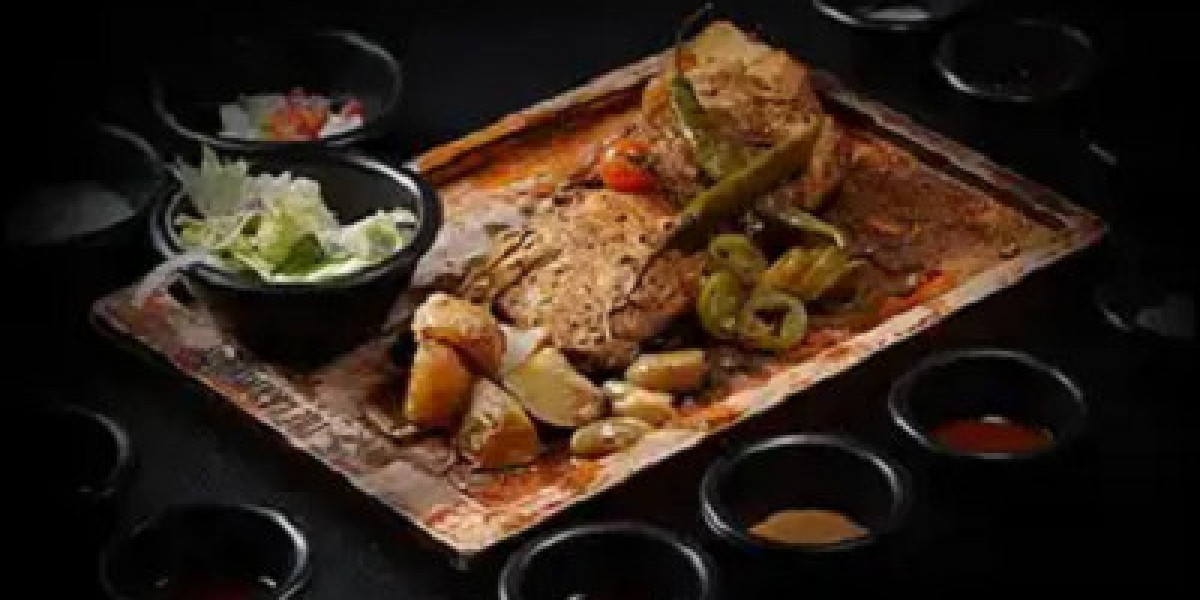

A luxury dining experience is about much more than enjoying a delicious meal. It brings together elegant surroundings, attentive service, carefully prepared dishes, and thoughtful details that make every visit memorable. For guests exploring a Fine Dine Restaurant in Riyadh, the experience often begins the moment they arrive and continues through every course until the final goodbye.
Riyadh has developed a vibrant dining culture that combines international culinary influences with Saudi hospitality and contemporary lifestyle preferences. Luxury restaurants appeal to guests celebrating special occasions, arranging business dinners, planning romantic evenings, or simply looking for an exceptional meal. These establishments focus on quality, presentation, comfort, and personalized attention to create an experience that feels distinct from everyday dining.
Understanding what to expect can help guests feel more comfortable, choose a suitable restaurant, and make the most of their visit. From sophisticated interiors to expertly presented dishes, several elements contribute to the appeal of fine dining. Here are seven important things guests can expect when visiting a luxury restaurant in Riyadh.
1. Elegant Ambience and Sophisticated Interiors
One of the first things guests notice at a luxury restaurant is its atmosphere. Fine dining establishments pay close attention to interior design because the surroundings play an important role in shaping the overall experience.
The interiors may feature tasteful lighting, comfortable seating, refined table settings, carefully selected artwork, and coordinated color schemes. Some restaurants embrace modern minimalism, while others prefer classic elegance or designs inspired by regional culture. The goal is to create an environment that feels welcoming, comfortable, and visually appealing.
Lighting is particularly important. Soft illumination can create a relaxed atmosphere for romantic dinners, while brighter arrangements may suit social gatherings or business meetings. Comfortable seating and sufficient space between tables also help guests enjoy their meals without unnecessary distractions.
In Riyadh, luxury dining venues may offer settings suited to different occasions, including intimate dining areas, stylish contemporary spaces, and private rooms for special gatherings.
Guests choosing a restaurant should consider the atmosphere they prefer. A quiet setting may be ideal for meaningful conversations, whereas a more vibrant environment might suit celebrations with friends and family.
Ultimately, an elegant ambience is not simply about expensive furniture or decorative features. It is about creating a balanced environment in which guests can relax, enjoy their food, and feel well cared for throughout the visit.
2. Personalized Hospitality and Attentive Service
Exceptional hospitality is one of the defining features of a luxury fine dining experience. Guests can generally expect a professional team that understands the importance of courtesy, timing, and attention to detail.
Service often begins with a warm welcome and assistance with seating. Staff members may explain the menu, answer questions about ingredients, and provide recommendations based on individual preferences. Their role is to make the dining experience comfortable without making guests feel rushed or constantly interrupted.
In a high-quality restaurant, attentive service involves recognizing when assistance is needed while allowing guests to enjoy their conversations. Water refills, course timing, table arrangements, and special requests are handled with care.
Personalization can also make a visit more memorable. For example, staff may help accommodate a celebration, suggest suitable dishes for a particular preference, or explain available alternatives for guests with dietary requirements.
For visitors who are unfamiliar with fine dining, knowledgeable staff can make the experience easier to navigate. They can explain unfamiliar culinary terms, describe portion sizes, and recommend combinations that complement the meal.
Guests can also contribute to a smoother experience by communicating their preferences clearly. Mentioning food allergies, dietary restrictions, or special arrangements when making a reservation allows the restaurant to prepare appropriately.
The best hospitality feels natural rather than overly formal. It combines professional standards with genuine warmth, ensuring that guests feel respected and comfortable throughout their visit.
3. Carefully Crafted Menus and Premium Ingredients
Food is at the heart of any fine dining experience. Luxury restaurants often distinguish themselves through thoughtful menu development, ingredient selection, culinary expertise, and attention to flavor.
Rather than offering an overwhelming number of dishes, some establishments focus on a carefully selected menu that reflects the chef's approach and the restaurant's overall identity. The selection may include contemporary international cuisine, regional specialties, modern interpretations of traditional recipes, or a combination of culinary influences.
Ingredient quality is especially important. Depending on the menu, chefs may select fresh vegetables, seasonal produce, premium cuts of meat, seafood, herbs, spices, and carefully sourced specialty ingredients.
The cooking techniques also contribute to the final result. Slow cooking, precise grilling, careful seasoning, and balanced sauces can bring out the natural qualities of individual ingredients. A successful dish combines these elements without allowing any single component to overpower the others.
Guests may also encounter tasting menus, which feature several smaller courses designed to introduce different flavors and textures. Other restaurants offer à la carte dining, allowing guests to select individual starters, main courses, and desserts according to their preferences.
When visiting a Fine Dine Restaurant in Riyadh, guests should take time to review the menu before ordering. Asking about signature dishes, preparation methods, or seasonal recommendations can help them discover options that suit their tastes.
Those with specific dietary needs should confirm ingredient details directly with the restaurant. This is especially important for food allergies, religious dietary requirements, and restrictions involving dairy, gluten, nuts, or particular cooking ingredients.
A well-designed menu offers more than variety. It reflects careful planning and culinary creativity, helping turn an ordinary meal into a distinctive dining experience.
4. Beautiful Food Presentation and Attention to Detail
In luxury dining, presentation is an important part of the culinary experience. Before tasting a dish, guests often notice its colors, arrangement, textures, and decorative details.
Chefs may use carefully positioned ingredients, complementary colors, edible garnishes, and thoughtfully selected serving plates to create a visually balanced presentation. These details are intended to enhance the food rather than distract from its flavor.
Presentation can also communicate the chef's approach to a dish. A traditional recipe might be served with a contemporary arrangement, while a modern creation could feature contrasting textures and carefully layered components.
However, attractive presentation should not come at the expense of taste. The strongest dishes combine visual appeal with satisfying flavors, appropriate seasoning, and textures that work well together.
Attention to detail extends beyond the plate. Clean glassware, polished cutlery, neatly arranged table settings, and well-maintained dining spaces contribute to the overall impression.
Guests may also notice that different courses arrive with distinct serving styles. A starter might emphasize freshness, a main course may focus on richness and depth, and a dessert could provide a lighter or more refreshing finish.
For guests who enjoy food photography, beautifully presented dishes can be an appealing part of the visit. Nevertheless, allowing food to be enjoyed at its intended temperature helps preserve its flavor and texture.
Ultimately, thoughtful presentation demonstrates the care invested in the entire dining experience. It helps guests appreciate the creativity, precision, and skill involved in preparing each course.
5. A Curated Beverage Selection and Thoughtful Pairings
Beverages can complement the flavors of a meal and contribute to a more complete dining experience. Luxury restaurants often offer carefully selected options that suit different dishes, preferences, and occasions.
Depending on the establishment, the beverage menu may include specialty coffees, premium teas, freshly prepared juices, sparkling drinks, mocktails, and creative non-alcoholic combinations. Some venues may also offer curated beverage pairings designed to complement specific courses.
Pairing is about finding a balance between the flavors of a drink and the food being served. For instance, a refreshing citrus-based beverage may complement a seafood dish, while a lightly spiced drink might work well with richer flavors.
Tea and coffee can also be an important part of the experience, particularly toward the end of a meal. A carefully prepared coffee or aromatic tea may provide a satisfying finish alongside dessert.
In Riyadh, guests may appreciate restaurants that combine international beverage trends with familiar regional flavors. Ingredients such as mint, citrus, dates, cardamom, and other aromatic spices can create distinctive combinations when used thoughtfully.
Guests do not need specialized knowledge to choose suitable beverages. Restaurant staff can explain the available options and recommend combinations based on the selected dishes.
Anyone who prefers non-alcoholic drinks can ask about the full range of available alternatives rather than assuming that beverage pairings are limited to particular categories.
A thoughtful beverage menu adds variety and helps create a more balanced meal, allowing guests to explore different flavor combinations throughout their visit.
6. Comfortable Dining Pace and a Relaxed Experience
Unlike quick-service restaurants, fine dining establishments often place greater emphasis on the pace of the meal. Guests are encouraged to enjoy each course, appreciate the flavors, and spend time with their companions.
A multi-course meal may include several stages, such as an appetizer, a main course, and dessert. In some restaurants, additional courses or tasting menus extend the experience further. The timing between dishes can allow guests to finish one course comfortably before the next arrives.
This approach can make luxury dining particularly suitable for anniversaries, birthday celebrations, business dinners, and occasions when conversation is just as important as the food.
Comfort also depends on practical details. Appropriate seating, reasonable noise levels, clean surroundings, and well-coordinated service help guests enjoy a longer meal without unnecessary discomfort.
Reservations can be useful, especially during busy dining periods, weekends, and holidays. Booking ahead gives guests an opportunity to confirm seating preferences, communicate special requests, and check whether the restaurant can accommodate a particular occasion.
Guests should also consider their schedules. A leisurely multi-course meal may take longer than a casual lunch, so allowing enough time can prevent the experience from feeling rushed.
For those attending a business meeting, it may be helpful to select a setting that supports conversation and to communicate any timing requirements when booking.
A relaxed dining pace is not simply about spending more time at the table. It is about enjoying each stage of the meal without feeling hurried, creating space for conversation, and appreciating the care behind the service.
7. Memorable Desserts and a Thoughtful Final Impression
The final stage of a luxury meal can leave a lasting impression. Desserts, coffee service, and the way guests are treated before departure all contribute to how they remember the experience.
Fine dining desserts often combine creativity with careful technique. Guests may find delicate pastries, chocolate-based creations, fruit-forward desserts, layered textures, or contemporary interpretations of familiar sweets.
Some restaurants incorporate regional ingredients into their dessert menus. Dates, pistachios, cardamom, saffron, and other distinctive flavors can provide a connection to local culinary traditions while allowing for modern presentation.
The best desserts balance sweetness, texture, and portion size. After a rich main course, a lighter fruit-based option may feel refreshing, while a chocolate dessert can appeal to guests who prefer a more indulgent finish.
Coffee and tea may accompany dessert or be served afterward, depending on the restaurant's style and the guest's preference.
The overall experience also depends on how the visit concludes. Courteous assistance, clear billing, and a warm farewell can reinforce the impression created by the food and service.
Guests celebrating a special occasion may remember small details long after leaving, such as a thoughtful acknowledgment of the event, a carefully prepared dessert, or staff members who made the evening feel comfortable.
When evaluating a luxury restaurant, it is worth considering the entire experience rather than judging it solely by the main course. A satisfying conclusion can bring the different elements of the meal together and encourage guests to return.
How to Choose the Right Fine Dine Restaurant in Riyadh
Selecting the right restaurant depends on the occasion, personal preferences, and the type of experience a guest wants to enjoy. Although luxury venues may share certain characteristics, their atmospheres, menus, and service styles can differ considerably.
A few practical considerations can help narrow the options.
Consider the occasion. A romantic dinner may call for an intimate setting, while a family celebration may benefit from spacious seating or private dining arrangements.
Review the menu in advance. Checking the available dishes helps guests determine whether the restaurant suits their culinary preferences and dietary requirements.
Look at the overall atmosphere. Restaurant photographs, recent guest feedback, and descriptions of the dining environment can provide useful insights into the setting.
Check reservation arrangements. Confirming availability, seating preferences, and expected dining duration can help prevent last-minute inconvenience.
Ask about accessibility and dietary needs. Guests who require particular accommodations should contact the restaurant before arriving to confirm what can be provided.
Evaluate the complete experience. Service quality, comfort, food consistency, presentation, and attention to detail all contribute to a restaurant's overall appeal.
Choosing carefully can help guests find a venue that matches their expectations and makes the occasion more enjoyable.
Frequently Asked Questions
1. What makes a fine dining restaurant different from a regular restaurant?
A fine dining restaurant generally emphasizes attentive service, carefully prepared dishes, refined presentation, comfortable surroundings, and a more structured dining experience. The combination of these elements distinguishes it from more casual dining options.
2. What should guests wear to a luxury fine dining restaurant in Riyadh?
Dress expectations vary by restaurant. Smart casual clothing is suitable for many venues, while some establishments may recommend more formal attire. Guests should check the restaurant's dress guidelines before visiting, particularly for special occasions.
3. Is it necessary to make a reservation at a fine dining restaurant?
Reservations are often recommended, especially on weekends, during holidays, and for celebrations. Booking ahead can help secure a preferred time and allow the restaurant to prepare for seating or special requests.
4. Can fine dining restaurants accommodate dietary restrictions?
Many restaurants can accommodate certain dietary preferences and restrictions, but the available options vary. Guests should communicate food allergies, religious dietary requirements, and other restrictions in advance and confirm ingredient details with the restaurant.
5. How long does a fine dining experience usually take?
The duration depends on the menu, number of courses, service style, and pace of the meal. A simple dinner may take less time than a multi-course tasting menu. Guests planning around other commitments should ask the restaurant about the expected duration.
6. Is a fine dining restaurant in Riyadh suitable for special occasions?
Yes. Luxury dining venues can be suitable for anniversaries, birthdays, business dinners, family celebrations, and romantic evenings. Guests can check whether the restaurant offers private seating, celebration arrangements, or other services that suit the occasion.
Conclusion
A luxury dining experience brings together food, hospitality, atmosphere, and thoughtful details to create something more memorable than an ordinary meal. From elegant interiors and personalized service to carefully crafted menus and beautifully presented desserts, every element can contribute to a guest's overall impression.
For anyone considering a Fine Dine Restaurant in Riyadh, understanding these seven features can make the selection process easier and help set realistic expectations. Reviewing the menu, considering the occasion, checking reservation arrangements, and communicating dietary needs can further improve the experience.
Ultimately, the most rewarding fine dining experience is one in which quality, comfort, and hospitality work together. Whether the occasion involves a celebration, an important meeting, or simply a desire to explore exceptional cuisine, the right restaurant can turn a meal into a memorable part of the day.