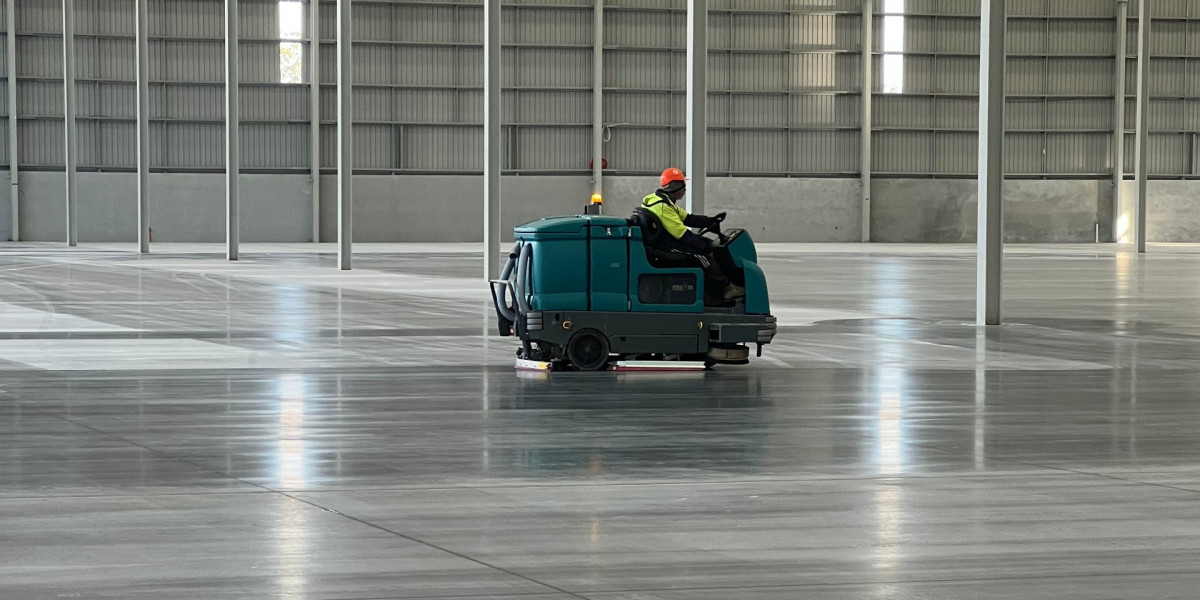

Clean commercial spaces create a positive impression, support workplace safety, and help businesses maintain a professional environment. From shopping centers and office buildings to warehouses and industrial facilities, regular floor care and outdoor cleaning are important parts of property maintenance. Dust, dirt, grease, and debris can build up quickly in busy areas, making routine cleaning essential.
Professional scrubbing services and commercial sweeping help businesses manage these challenges. While sweeping removes loose dirt and debris, scrubbing helps address stubborn marks and grime that ordinary cleaning may leave behind. Together, these services help maintain cleaner floors, improve the appearance of commercial properties, and support a more comfortable environment for employees, customers, and visitors.
Why Clean Commercial Properties Matter
Commercial properties experience different cleaning challenges depending on their size, purpose, and daily activity. Retail stores deal with constant foot traffic, warehouses collect dust from deliveries and equipment, and office buildings need clean floors to maintain a welcoming atmosphere.
When cleaning is delayed, dirt can accumulate and become more difficult to remove. Wet or greasy floors may also increase the risk of slips, while debris in outdoor areas can affect the appearance of entrances, walkways, and parking lots.
A consistent cleaning routine helps businesses manage these issues before they become larger problems. It also supports the condition of flooring and other surfaces, which may reduce the need for intensive cleaning or early replacement.
Understanding Professional Scrubbing Services
Scrubbing is a deeper cleaning process designed to remove dirt, stains, and residue from suitable floor surfaces. Depending on the facility, cleaning professionals may use automatic floor scrubbers, specialized brushes, suitable cleaning solutions, and equipment designed for different flooring materials.
Unlike basic sweeping, which primarily collects loose particles, scrubbing uses mechanical action and cleaning products to address dirt that has settled onto the floor.
How Floor Scrubbing Works
The process generally begins with an inspection of the floor. Cleaning professionals identify the surface type, the level of dirt, and any areas that require special attention. This helps them select an appropriate cleaning method and avoid damaging sensitive materials.
Loose debris is usually removed before scrubbing begins. The floor is then cleaned with suitable equipment and products, followed by the collection of dirty water when the equipment supports this process. Depending on the surface and cleaning method, additional drying or finishing steps may be required.
The exact procedure can vary between concrete, sealed floors, tile, and other commercial flooring materials. Choosing the right method is important for achieving good results without causing unnecessary wear.
Where Scrubbing Is Most Useful
Floor scrubbing can benefit many types of commercial environments, including:
Retail stores, supermarkets, and shopping centers with heavy customer traffic.
Warehouses and distribution facilities where dust and dirt collect during daily operations.
Office buildings, schools, and other shared indoor spaces that require regular floor maintenance.
In industrial settings, scrubbing may also help remove certain types of residue from suitable surfaces. However, chemical spills, hazardous substances, and specialized industrial contamination require appropriate safety procedures and trained personnel.
The Role of Commercial Sweeping
Commercial sweeping focuses on removing loose dirt, dust, leaves, litter, and other debris from large areas. It is particularly useful for outdoor spaces, including parking lots, loading areas, access roads, sidewalks, and commercial entrances.
Depending on the site, sweeping may be performed manually or with mechanical equipment. Larger properties often benefit from mechanical sweepers because they can cover extensive areas more efficiently than manual methods alone.
Keeping Parking Lots and Outdoor Areas Clean
Parking lots and access roads collect debris from vehicles, nearby trees, wind, and everyday business activity. If this material is left in place, it can spread into buildings or accumulate around drains and entrances.
Regular sweeping helps remove loose material before it becomes harder to manage. It also supports the appearance of the property and helps keep outdoor areas more orderly for customers, staff, and delivery drivers.
For properties with frequent vehicle movement, sweeping schedules should reflect traffic levels and the amount of debris generated each day.
Supporting Safer and More Organized Workplaces
Loose gravel, litter, and other debris can create problems in pedestrian and vehicle areas. Keeping these spaces clean helps reduce certain avoidable hazards and makes it easier to identify issues that require additional attention.
Sweeping can also help prevent debris from being carried indoors, reducing the amount of dirt that enters lobbies, corridors, and other interior spaces.
However, sweeping alone cannot resolve every maintenance issue. Oil leaks, standing water, damaged pavement, and blocked drainage systems may require separate cleaning, repairs, or specialist attention.
Key Differences Between Scrubbing and Sweeping
Although both services support commercial cleanliness, they serve different purposes.
Sweeping removes loose material from surfaces, making it a practical choice for parking lots, walkways, loading bays, and areas where dust and debris regularly accumulate. Scrubbing focuses on deeper floor cleaning, helping remove embedded dirt and surface residue from suitable hard floors.
Many commercial properties benefit from both methods. Sweeping can keep exterior areas under control, while scrubbing can maintain indoor floors that experience frequent foot traffic or equipment movement.
Using the appropriate service for each area creates a more complete cleaning plan and helps avoid relying on one method to solve every cleaning problem.
How Often Should Commercial Cleaning Be Scheduled?
There is no single schedule that works for every property. The right frequency depends on foot traffic, weather, the type of business, flooring materials, and the amount of dirt produced during daily operations.
Busy retail locations may need frequent sweeping and regular floor scrubbing, while smaller offices may require less intensive maintenance. Warehouses and industrial sites should consider dust levels, vehicle movement, operational requirements, and any relevant safety procedures.
Factors That Influence Cleaning Frequency
Several factors can help determine an appropriate schedule:
Traffic levels: Busy entrances, corridors, and loading areas usually need more frequent attention.
Environmental conditions: Rain, wind, nearby construction, and seasonal leaf fall can increase the amount of debris.
Surface type: Different flooring materials require specific cleaning methods and suitable products.
Business operations: Food preparation, manufacturing, and vehicle maintenance may create cleaning needs that differ from those of ordinary offices.
A regular inspection can help property managers adjust the schedule when conditions change. Keeping a record of cleaning activities can also make it easier to identify areas that need additional attention.
Choosing the Right Commercial Cleaning Provider
Selecting a suitable cleaning provider involves more than comparing prices. Businesses should look for a company that understands their property, uses appropriate equipment, and can work around normal operating hours.
Experience with similar facilities is useful because a warehouse, retail store, and office building may require different cleaning approaches. Clear communication also matters, particularly when cleaning must take place around employees, customers, vehicles, or sensitive equipment.
What to Look for in a Cleaning Service
Before hiring a provider, consider the following points:
Equipment and methods: Confirm that the provider has suitable equipment for the surfaces and areas being cleaned.
Safety practices: Ask about staff training, appropriate cleaning products, and procedures for managing wet floors or restricted areas.
Scheduling flexibility: Choose a service that can work with your operating hours and minimize unnecessary disruption.
Clear service details: Make sure the agreed scope explains which areas are included, how often cleaning will occur, and what results can reasonably be expected.
It is also helpful to request a site assessment before agreeing to a long-term cleaning schedule. This allows the provider to understand the property's size, surface conditions, access requirements, and specific maintenance concerns.
Building a Long-Term Commercial Floor Care Plan
A successful cleaning plan combines routine maintenance with periodic deeper cleaning. Daily or frequent sweeping can manage loose debris, while scheduled scrubbing can address dirt that builds up over time. The frequency of each task should reflect the property's actual needs rather than follow an inflexible timetable.
Property managers should also consider cleaning during quieter business hours when possible. This can reduce interruptions and provide staff with enough time to complete the work safely.
Regular monitoring helps identify recurring problems, such as areas that become dirty unusually quickly or floors that need a different cleaning method. Addressing these issues early can improve the consistency of maintenance and help businesses make better use of their cleaning budgets.
Conclusion
Maintaining a clean commercial property requires the right combination of routine care, suitable equipment, and a consistent maintenance schedule. Professional scrubbing services help remove stubborn dirt from appropriate floor surfaces, while commercial sweeping keeps parking lots, walkways, loading areas, and other outdoor spaces free from loose debris. Together, these methods support a cleaner appearance, help manage certain safety risks, and contribute to the long-term care of commercial facilities.
Businesses that want a practical approach to property maintenance should assess their cleaning needs, consider their busiest areas, and choose methods that suit their surfaces and daily operations. Sweep & Scrub can be considered by businesses looking to maintain cleaner commercial environments through appropriate sweeping and scrubbing solutions.