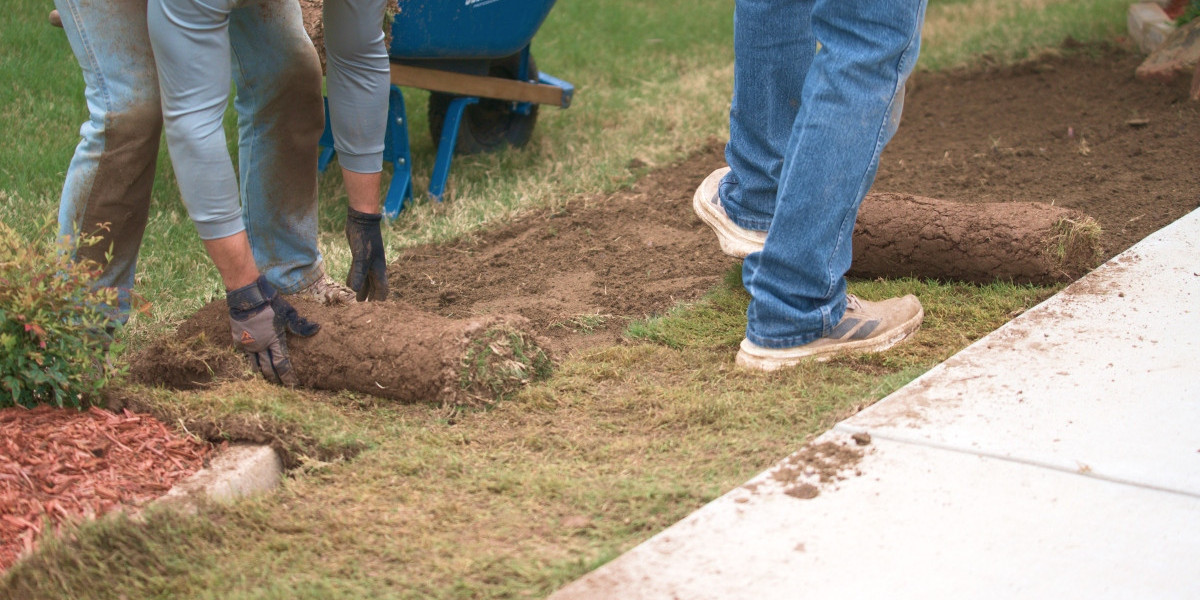

A healthy, green lawn can make a home look more welcoming and improve the appearance of outdoor spaces. Zoysia grass is a popular choice for homeowners who want a lawn that can handle warm weather, provide a dense surface, and maintain an attractive appearance with proper care. However, successful results depend on more than choosing the right grass. The timing of installation, soil preparation, watering, and ongoing maintenance all play important roles.
Understanding the best time to install zoysia sod can help homeowners establish a stronger lawn with fewer problems. Choosing the right season gives the grass a better opportunity to develop roots before facing extreme heat or cold. Homeowners who want reliable results may also consider professional sod installation near me to find experienced local contractors who understand the soil and climate conditions in their area.
Understanding Zoysia Grass and Its Growing Needs
Zoysia is a warm season grass that grows actively during warmer months. It is known for its dense growth, comfortable feel underfoot, and ability to tolerate periods of moderate drought once established. Its growth habit can also help create a thick lawn that resists some common weed problems.
Although zoysia can be a good choice for many residential lawns, it does not grow equally well in every condition. It generally performs best in areas with warm summers, suitable soil, and enough sunlight. Some varieties can tolerate partial shade, but grass growing in deep shade may become thin.
Before installing sod, homeowners should consider how much sunlight the lawn receives, whether water drains properly, and how the grass will be used. These factors help determine whether zoysia is a suitable option for the property.
What Is the Best Time to Install Zoysia Sod?
The best time to install zoysia sod is generally during late spring and early summer, when temperatures are warm and the grass is entering its active growing period. Warm soil encourages root development, helping the sod connect with the ground beneath it.
Spring Installation
Spring is often an excellent time to install zoysia sod, especially after the risk of freezing weather has passed. The grass has a long growing season ahead, allowing it to establish roots before cooler weather returns.
Installing sod in spring can also help homeowners avoid some of the challenges associated with intense summer heat. However, the soil should be warm enough to support active growth. Installing too early, when the ground is still cold, may slow root development.
Early Summer Installation
Early summer is another suitable period for installing zoysia sod. Warm soil and longer days support active growth, provided the lawn receives enough water during establishment.
The main challenge is managing heat and moisture. Newly installed sod has a limited root system and can dry out quickly during hot weather. Homeowners should prepare for regular watering and avoid letting the soil beneath the sod become dry.
Can You Install Zoysia Sod in Fall or Winter?
Fall installation may be possible in areas with a long warm season, but it usually provides less time for the grass to establish before cooler temperatures slow growth. The results depend on local weather, the sod variety, and the condition of the soil.
Winter is generally less suitable for installing zoysia sod in regions where temperatures regularly fall below its preferred growing range. The grass may remain dormant, delaying root development until warmer weather returns.
For the best results, schedule installation when the grass can grow actively for several weeks and establish a strong connection with the soil.
Preparing Your Lawn Before Installing Zoysia Sod
Proper preparation is one of the most important steps in creating a healthy lawn. Even high quality sod may struggle if it is placed over compacted soil, uneven ground, or an area with poor drainage.
Remove Existing Grass and Weeds
Begin by removing unwanted grass, weeds, and other plant material from the installation area. Leaving existing vegetation underneath the new sod can interfere with soil contact and create an uneven surface.
Clear away stones, roots, and debris that could prevent the sod from sitting flat. The goal is to create a clean area where the roots can reach the soil without unnecessary obstacles.
Check Soil Quality and Drainage
Healthy roots need access to air, water, and nutrients. Soil that is heavily compacted can restrict root growth, while poorly drained soil may hold too much moisture and contribute to root problems.
A soil test can help identify the soil's pH and nutrient levels. Based on the results, homeowners can decide whether amendments are needed. Avoid adding fertilizer or other products without considering the actual condition of the soil.
Level the Ground
A smooth surface helps sod fit together evenly and reduces the risk of low spots where water collects. Fill depressions, remove high areas, and make sure water can drain away from the home's foundation.
The ground should be firm enough to support the sod but not so compacted that roots cannot grow into it.
How to Install Zoysia Sod Correctly
Once the soil is ready, the sod should be installed as soon as possible after delivery. Fresh sod can lose moisture quickly, especially during warm and dry weather. Texas A&M AgriLife Extension recommends installing fresh sod promptly and ensuring good contact between the sod and the prepared soil.
Lay the Sod in Straight Rows
Start along a straight edge, such as a driveway or sidewalk. Place each piece tightly against the next one, avoiding gaps and overlapping edges. Stagger the seams between rows, similar to the pattern of bricks in a wall.
After laying the sod, gently roll the surface if appropriate for the soil conditions. This helps remove air pockets and improves contact between the roots and the soil.
Water the New Lawn Immediately
Water the entire area thoroughly after installation. The goal is to moisten the soil beneath the sod, not simply wet the grass blades.
During the first couple of weeks, check the sod and soil regularly. The watering schedule should depend on temperature, rainfall, drainage, and how quickly the ground dries. Hot weather may require more frequent watering, while rainy conditions may require less.
Caring for Zoysia Sod After Installation
Good maintenance helps new grass develop a healthy root system and prepares the lawn for normal use. The first few weeks are particularly important because the roots have not yet fully connected with the underlying soil.
Follow a Suitable Watering Schedule
New sod needs consistent moisture, but too much water can also cause problems. Waterlogged soil may limit oxygen around the roots and encourage disease.
As the roots become established, gradually reduce watering frequency while applying enough water to moisten the soil more deeply. Adjust your schedule according to local weather rather than following a fixed routine without checking the lawn.
Know When to Mow
Avoid mowing immediately after installation. Give the sod time to develop roots and become firmly attached to the ground. You can gently lift a corner to check for resistance, but avoid pulling hard enough to damage developing roots.
Once the grass is rooted and has reached the recommended mowing height for its variety, use a sharp mower blade and avoid removing too much grass at once.
Limit Foot Traffic During Establishment
Walking, playing, or placing heavy equipment on new sod can disturb the roots before they become established. Keep foot traffic to a minimum during the initial growing period.
The exact establishment time varies with temperature, soil conditions, sod quality, and watering practices. Check the lawn regularly and resume normal use only when the grass is firmly rooted.
Why Consider Professional Sod Installation Near Me?
Installing sod may appear simple, but preparing the ground and managing the early stages of growth require careful attention. Homeowners who search for professional sod installation near me are often looking for a convenient way to achieve a smooth, healthy lawn without handling every part of the project themselves.
Experienced installers can assess the lawn, prepare the soil, arrange proper grading, and place the sod evenly. They can also recommend a suitable grass variety based on the property's sunlight, drainage, and local climate.
What to Look for in a Sod Installation Company
Before hiring a contractor, consider the following factors:
Experience with zoysia grass and other warm season turf varieties.
A clear explanation of soil preparation, grading, and installation methods.
Recommendations for watering, mowing, and early lawn maintenance.
A written estimate that explains the work included and any additional charges.
Local references, customer reviews, and examples of completed projects.
A reliable contractor should explain what your lawn needs rather than promise immediate, perfect results. Asking questions before work begins can help you understand the process and avoid unexpected costs.
Common Mistakes to Avoid When Installing Zoysia Sod
Even good quality sod can struggle when basic installation and maintenance steps are overlooked.
Installing During Extreme Weather
Very hot, dry conditions can increase moisture loss, while cold soil can slow root development. Although sod can sometimes be installed outside the ideal season, timing the project around favorable weather can make establishment easier.
Skipping Soil Preparation
Laying sod over uneven, compacted, or poorly drained ground can create long term problems. Proper preparation gives roots a better chance to grow and helps the lawn develop a more uniform appearance.
Watering Too Much or Too Little
Both underwatering and overwatering can damage new sod. Check the moisture beneath the grass instead of relying only on the surface appearance. Adjust watering as the roots grow and the weather changes.
Expecting Instant Root Growth
New sod provides immediate green coverage, but that does not mean the grass is fully established. Allow enough time for the roots to connect with the soil before mowing regularly or using the lawn heavily.
Conclusion
The best time to install zoysia sod is generally late spring through early summer, when warm soil and favorable growing conditions support healthy root development. With proper soil preparation, careful installation, and consistent watering, homeowners can establish a dense, attractive lawn that provides lasting value. Local weather and soil conditions should always guide the final timing.
For homeowners planning a new lawn or replacing damaged grass, Texas Sod Pros can be a starting point for exploring professional sod installation options. Taking time to assess the property, choose suitable sod, and understand the installation process can help you make a more informed decision and work toward a healthier lawn.





