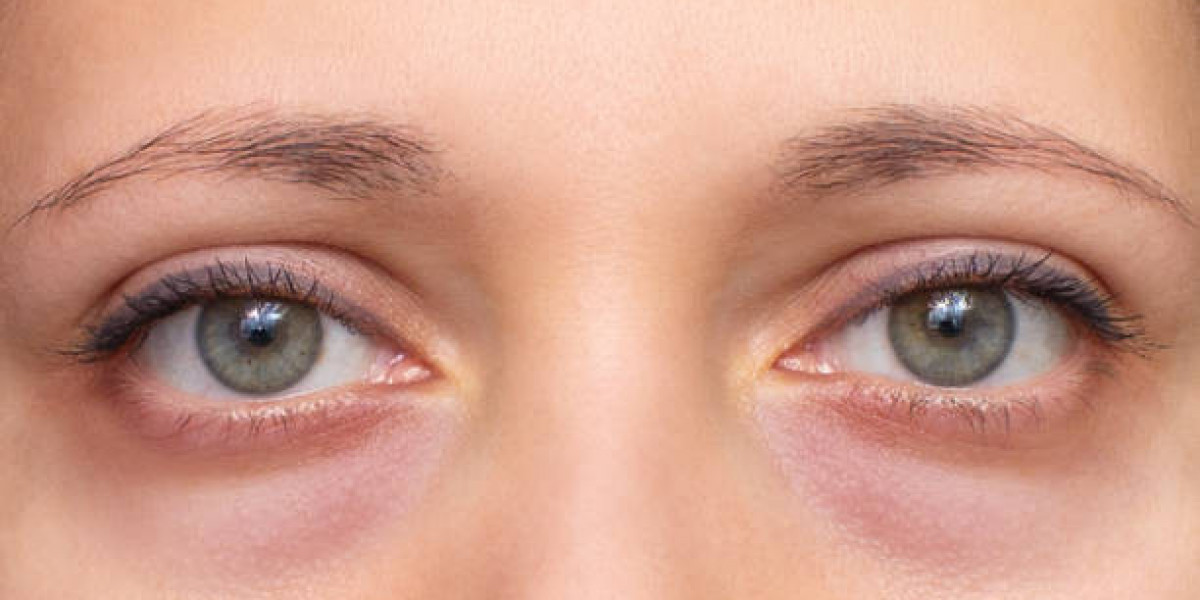

Some dark circles respond well to lifestyle changes and basic skincare. Others resist everything—creams, sleep, hydration—and persist for years. These stubborn cases often require a dermatologist's eye, because the cause is frequently structural, pigmentary, or vascular rather than lifestyle-related. Dark Circles Treatment in Riyadh Dermatologists approach stubborn dark circles systematically, identifying the underlying cause and matching treatment accordingly. If you're considering Dark Circles Treatment in Riyadh, here's how dermatologists tackle the cases that don't respond to ordinary measures.
Why Some Dark Circles Are Stubborn
Multiple Causes
Most stubborn cases involve a combination of pigmentation, vascular visibility, and hollowing—each requiring different treatment.
Structural Components
Volume loss and bone structure create shadows that creams can't address.
Dermal Pigmentation
Pigment located deep in the dermis is harder to treat than surface pigmentation.
Underlying Conditions
Allergies, thyroid issues, and other conditions may contribute.
Genetic Factors
Some people are simply predisposed to darker under-eye appearance.
The Dermatologist's Approach
Detailed Assessment
Dermatologists examine the under-eye area to determine whether dark circles are pigmented, vascular, hollowed, or mixed.
Skin Type Evaluation
Fitzpatrick classification guides treatment selection, particularly for laser and peel treatments.
Medical History
Allergies, medications, and underlying conditions are reviewed.
Diagnostic Considerations
In some cases, further evaluation may be needed to rule out systemic causes.
Personalised Treatment Plan
Combination approaches are often needed for stubborn cases.
Treatment Options for Stubborn Dark Circles
Dermal Fillers
How they work: Restore volume in hollow areas, reducing shadows.
Best for: Hollowing and tear troughs.
Considerations: Hyaluronic acid fillers are reversible. Technique matters in the delicate eye area.
Laser Treatments
How they work: Target pigmentation and improve skin quality.
Best for: Pigmentation and skin texture.
Considerations: Settings must be adjusted for skin type. Darker skin tones carry higher risk of pigmentation changes.
Chemical Peels
How they work: Exfoliate and resurface the skin.
Best for: Superficial pigmentation.
Considerations: Only gentle peels are appropriate for the eye area.
Microneedling
How it works: Stimulates collagen and enhances delivery of brightening ingredients.
Best for: Pigmentation and skin quality.
Considerations: Multiple sessions required.
Prescription Brighteners
How they work: Ingredients like hydroquinone and tretinoin target pigmentation.
Best for: Stubborn pigmentation.
Considerations: Require medical supervision.
Fat Grafting
How it works: Restores volume using your own fat.
Best for: Significant hollowing.
Considerations: Surgical procedure with longer recovery.
Lower Eyelid Surgery
How it works: Removes excess skin and fat, addressing structural causes.
Best for: Significant puffiness or laxity.
Considerations: Surgical procedure with longer recovery. People researching dark circles treatment cost should understand that different options involve different commitments.
Combining Treatments
Why Combination Often Works Best
Stubborn cases usually have multiple causes. Addressing one component may not produce satisfactory results.
Common Combinations
Fillers for hollowing plus lasers for pigmentation. Microneedling with brightening ingredients. Surgery for structural issues combined with skin treatments.
Staged Approaches
Treatments may be staged over time to allow healing and assessment.
What to Expect
Gradual Improvement
Results develop over weeks to months.
Multiple Sessions
Most treatments require a series of sessions.
Maintenance
Some treatments, like fillers, require periodic maintenance.
Realistic Expectations
Improvement, not elimination, is the goal.
Risks and Considerations
Post-Inflammatory Hyperpigmentation
Aggressive treatments can worsen pigmentation, particularly in darker skin tones.
Irritation
The eye area is delicate. Gentle approaches are essential.
Vascular Risks
Fillers in the tear trough carry rare but serious risks. Experienced practitioners reduce this risk.
Choosing a Qualified Practitioner
Dermatologists and experienced aesthetic practitioners are best equipped to treat stubborn dark circles safely.
Questions to Ask During Consultation
About Diagnosis
"What's causing my dark circles?"
About Treatment
"Which treatments suit my cause and skin type?"
About Combinations
"Would combining treatments produce better results?"
About Risks
"What complications are possible for my skin?"
About Maintenance
"What maintenance will I need?"
Book an Appointment Consultation Clinic
For those seeking expert guidance and customized aesthetic care, you can book an appointment consultation at the Enfield Royal Riyadh. A personalised consultation determines which treatment approach best suits your stubborn dark circles.
FAQs
Why are some dark circles stubborn?
They often involve multiple causes—pigmentation, vascular visibility, and hollowing—that require combination treatment.
How do dermatologists treat stubborn dark circles?
Through detailed assessment and combination approaches, including fillers, lasers, peels, and prescription treatments.
Are lasers safe for all skin types?
They can be, but settings must be adjusted. Darker skin tones carry higher risk of pigmentation changes.
How long until I see results?
Gradual improvement over weeks to months.
When should I see a dermatologist?
If dark circles persist despite good skincare. A Dark Circles Treatment in Riyadh consultation ensures accurate assessment. People researching dark circles treatment cost should prioritise suitability.