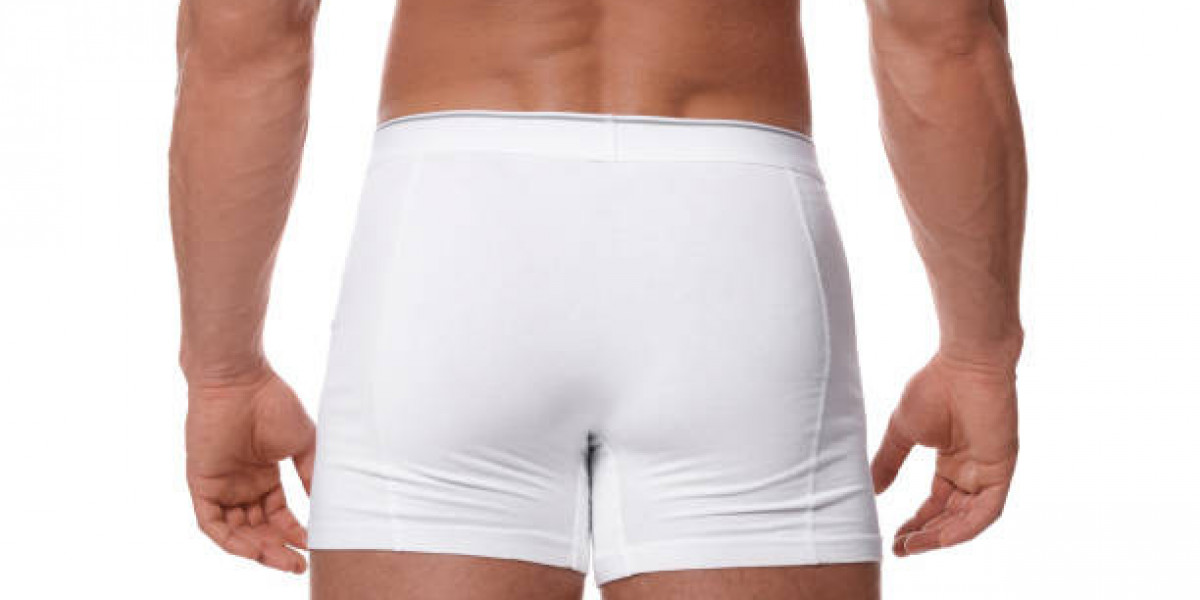

Exercise can't spot-reduce buttock fat—but it remains a powerful tool for body contouring when used correctly. A balanced workout plan supports overall fat loss, builds proportionate muscle, and enhances the masculine silhouette that butt reduction aims to create. Butt Reduction for Men in Riyadh (تصغير الأرداف للرجال في الرياض) The key is understanding what exercise can and cannot do, then designing a plan that supports your goals rather than working against them. For anyone considering Butt Reduction for Men in Riyadh, building a smart workout plan before and after treatment maximizes your results and protects your investment.
Understanding What Exercise Can and Cannot Do
What It Can Do
Support overall fat loss through calorie expenditure
Build and maintain muscle tone
Improve cardiovascular health
Enhance posture and body composition
Support recovery and long-term results after surgery
What It Cannot Do
Target fat loss in specific areas (spot reduction)
Reduce muscle size significantly
Tighten loose skin
Replace surgery for significant concerns
Why This Matters
Understanding these limits prevents wasted effort and frustration. Exercise is a complement to treatment—not a substitute. For Large buttocks in men, appropriate exercise choices matter enormously.
Pre-Surgery: Building a Foundation
Focus on Overall Fat Loss
If you're carrying excess weight, a calorie deficit through diet and exercise supports overall fat loss. Where fat is lost is genetically determined—but reducing overall body fat improves surgical planning and outcomes.
Avoid Glute-Building Exercises
If your concern is muscle-related, avoid heavy squats, lunges, and glute-focused training. These can increase muscle size, worsening the concern.
Build Upper-Body Strength
Developing shoulders, chest, and back creates a broader upper body—enhancing the contrast with your hips and buttocks. This contributes to a more masculine, proportionate silhouette.
Strengthen Your Core
A strong core supports posture and stability, enhancing overall body composition.
Prioritize Cardiovascular Health
Cardio supports fat loss and heart health, preparing you for surgery and recovery.
Post-Surgery: Returning to Exercise Safely
Follow Your Surgeon's Timeline
Walking from day one; light cardio around week three; light strength training around weeks four to six; full activity by eight to twelve weeks—always with surgeon clearance.
Start Gradually
Begin with walking, then light cardio, then strength training. Progress slowly, listening to your body.
Avoid Direct Pressure on the Buttocks
Cycling, rowing, and exercises requiring prolonged sitting should wait longest—often eight weeks or more.
Protect Your Results
Wear compression garments during early exercise if instructed. Avoid activities that strain or stretch the surgical area.
Monitor for Warning Signs
Increased swelling, pain, or discomfort after exercise warrants stopping and consulting your surgeon.
Building a Balanced Workout Plan
Cardiovascular Exercise
Aim for at least 150 minutes of moderate cardio weekly—walking, jogging, cycling (once cleared), swimming, or elliptical training. Cardio supports fat loss and overall health.
Upper-Body Strength Training
Focus on shoulders, chest, back, and arms. Exercises like push-ups, rows, shoulder presses, and pull-ups build the upper body that balances your silhouette.
Core Training
Planks, dead bugs, and rotational exercises strengthen the core, supporting posture and stability.
Lower-Body Training (Modified)
Once cleared, include moderate lower-body work that supports tone without excessive glute development. Avoid heavy squats and lunges if muscle hypertrophy is a concern. For Butt Reduction for Men in Riyadh, modified lower-body training supports proportion.
Flexibility and Mobility
Stretching and mobility work support recovery and overall function. Yoga and Pilates—once cleared—can be valuable.
Sample Weekly Structure
Monday: Upper-Body Strength
Push-ups, rows, shoulder presses, pull-ups—focusing on shoulders, chest, and back.
Tuesday: Cardiovascular Exercise
30-45 minutes of moderate cardio—brisk walking, jogging, or cycling (once cleared).
Wednesday: Core and Mobility
Planks, dead bugs, stretching, and mobility work.
Thursday: Upper-Body Strength
Repeat Monday's focus with variation—different exercises, different angles.
Friday: Cardiovascular Exercise
30-45 minutes of moderate cardio.
Saturday: Light Activity
Walking, swimming, or gentle yoga.
Sunday: Rest
Recovery is part of the plan. Rest supports healing and performance.
Nutrition for Body Contouring
Protein
Supports muscle tone and recovery. Include lean meats, fish, eggs, dairy, and legumes.
Balanced Meals
Vegetables, whole grains, and healthy fats support overall health and weight management.
Hydration
Supports performance and recovery.
Limit Alcohol and Processed Foods
Both affect weight and overall health. For Butt Reduction for Men in Riyadh, nutrition complements exercise.
Understanding the Cost of Butt Reduction for Men in Riyadh
Understanding the Cost of Butt Reduction for Men in Riyadh helps patients plan. But a balanced workout plan—supporting results before and after treatment—protects your investment more than any cost consideration. Choosing a qualified provider ensures appropriate guidance.
Conclusion
A balanced workout plan supports body contouring by promoting overall fat loss, building proportionate muscle, and enhancing the masculine silhouette. For those considering Butt Reduction for Men in Riyadh, exercise is a complement to treatment—not a substitute. The Cost of Butt Reduction for Men in Riyadh matters for planning, but appropriate exercise choices and realistic expectations determine satisfaction. Build a plan that supports your goals, follow your surgeon's guidance, and your results will reward your effort.
Book Your Consultation Today
For those seeking expert guidance and customized aesthetic care, you can book an appointment consultation at the 'Enfield Royal Riyadh(إنفيلد رويال الرياض).
FAQs
Can exercise reduce buttock size in men?
It supports overall fat loss but cannot target specific areas; results depend on genetics.
What exercises should I avoid if I want smaller buttocks?
Heavy squats, lunges, and glute-focused training can increase muscle size—avoid if muscle hypertrophy is a concern.
When can I exercise after butt reduction?
Walking from day one; light cardio around week three; full activity by eight to twelve weeks with clearance.
How does exercise support body contouring?
It promotes fat loss, builds proportionate muscle, and enhances the masculine silhouette.
What does the Cost of Butt Reduction for Men in Riyadh include?
Pricing varies by procedure and provider; appropriate exercise and qualified care matter more than cost.