
Menopause can change daily life in ways that are hard to ignore. Hot flashes, broken sleep, shifting moods, and brain fog often push women to look for answers, and a quick online search leads to dozens of clinics that all promise relief. Some of those clinics are thoughtful and thorough. Others cut corners in ways that can affect your safety, your wallet, and your results.
If you are weighing hormone replacement therapy for menopause, the quality of the clinic matters as much as the treatment itself. A good provider evaluates you as an individual, orders appropriate testing, explains risks honestly, and follows up over time. This guide explains what quality care looks like, which warning signs to watch for, and which questions to ask before you commit to anything in San Antonio, TX.
What Is Hormone Replacement Therapy for Menopause?
Hormone replacement therapy is a treatment that supplies hormones such as estrogen, and sometimes progesterone, when the body’s natural levels decline during perimenopause and menopause. Many people know it as HRT for menopause. It may be offered as pills, patches, gels, creams, or other forms, depending on the patient’s health history and goals.
The treatment is designed to help manage symptoms like hot flashes, night sweats, sleep disruption, and mood changes. It is not right for everyone, and the decision should be made with a qualified healthcare professional who understands your medical background. A reputable clinic will treat HRT as one possible option, not a universal fix.
How Does Menopause Hormone Therapy Work?
Menopause hormone therapy works by replacing some of the hormones the body no longer produces in the same amounts. When estrogen levels fall, the body’s temperature regulation, sleep patterns, and mood balance can be affected. Supplementing those hormones may ease symptoms for some patients, though responses vary from person to person.
A quality provider will not hand out a standard prescription. Dosage, delivery method, and duration are typically tailored to your symptoms, age, lab results, and personal and family health history. Regular follow-up lets your provider adjust the plan as your body responds.
Who May Consider Hormone Therapy?
Women experiencing bothersome menopause symptoms that affect their quality of life may consider hormone therapy. Others may be exploring it because of early menopause or the surgical removal of the ovaries. A healthcare professional can help determine whether it is appropriate based on your overall health.
Hormone therapy may not be suitable for people with certain medical histories, including some types of cancer, blood clotting disorders, or unexplained bleeding. This is exactly why a careful medical review matters. A clinic that skips this step is a clinic to think twice about.
What Does a High-Quality Clinic Look Like?
Before looking at red flags, it helps to know what good care looks like. A trustworthy clinic generally does the following:
- Reviews your full medical and family history before recommending treatment
- Orders appropriate lab testing rather than guessing at hormone levels
- Explains benefits, risks, and alternatives in plain language
- Schedules follow-up visits to monitor how you are doing
- Is transparent about costs from the start
Clinics offering hormone therapy San Antonio TX patients can trust tend to focus on education and long-term monitoring rather than quick sales. If you leave a consultation feeling informed instead of pressured, that is a good sign.
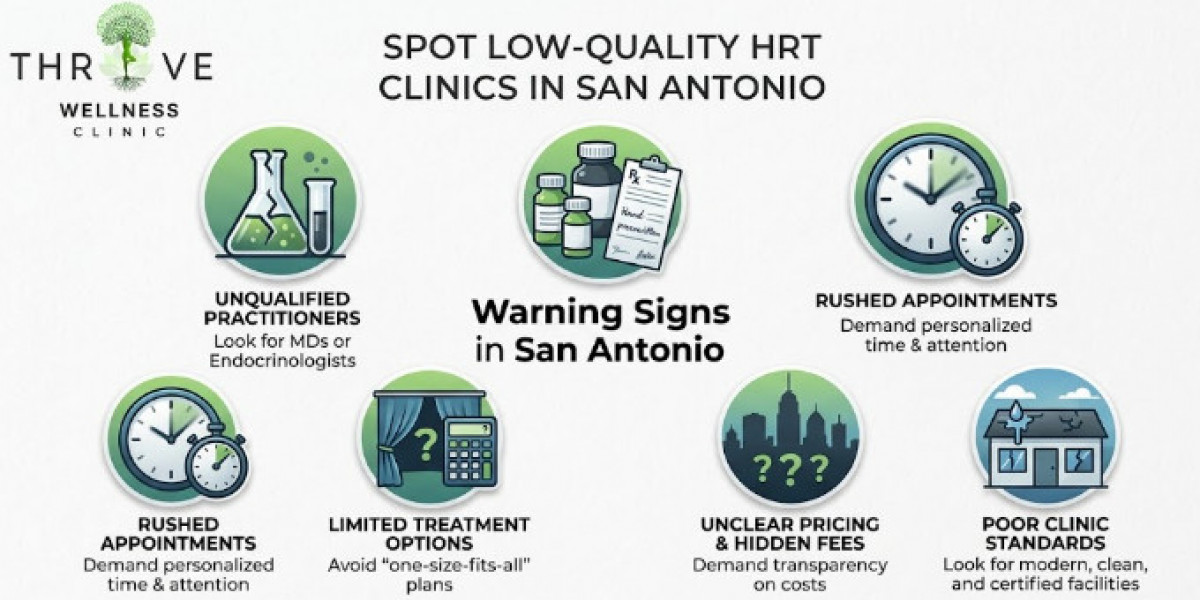
Red Flags of a Low-Quality Menopause Clinic
No Real Evaluation Before Treatment
One of the biggest warning signs is a clinic that recommends hormones without a proper evaluation. If a provider prescribes a plan after a brief chat, with no review of your history and no lab work, the care may not be personalized or safe. Menopause symptoms can overlap with thyroid problems, nutrient deficiencies, and other health issues that deserve attention first.
Thorough clinics often rely on biomarker panels to get a clearer picture of what is happening inside the body. Lab testing does not replace clinical judgment, but it gives your provider objective information to work with. A clinic that dismisses testing entirely should raise questions.
Guaranteed Results and Miracle Claims
No ethical provider can promise that therapy will work perfectly for you. Language like “guaranteed relief,” “reverse aging,” or “cure menopause” is a red flag. Menopause is a natural life stage, and treatment is about managing symptoms and supporting wellbeing, not erasing a biological process.
Be cautious with any clinic that makes dramatic claims without discussing possible side effects. Honest providers talk about what therapy may help with and where its limits are.
One-Size-Fits-All Treatment Plans
If every patient seems to receive the same protocol, the clinic is not practicing individualized medicine. Hormone needs differ widely. A plan that works well for one woman may not suit another, and a good provider adjusts accordingly.
Ask whether the plan changes based on your lab results, symptoms, and health history. If the answer is vague, keep looking.
Pressure to Sign Up Immediately
High-pressure sales tactics have no place in healthcare. Limited-time offers, prepaid multi-month packages pushed on the first visit, or discouragement from getting a second opinion are all warning signs. You should feel free to take time, ask questions, and compare options.
A reputable clinic respects that this is your decision. Pressure often signals that revenue matters more than your care.
Unclear or Hidden Costs
Confusing fee structures are another common problem. If you cannot get a straight answer about what a consultation, lab work, and ongoing treatment will cost, that is a concern. Quality clinics make their pricing easy to understand so you can plan without surprises.
Ask what is included in a visit, what is billed separately, and whether there are recurring membership or follow-up fees. Clear answers upfront usually reflect a clinic that operates with integrity.
Unqualified or Unclear Provider Credentials
You should know who is treating you. A trustworthy clinic is open about its providers’ licenses, training, and experience with menopause care. If you cannot find this information or the staff avoid the question, consider it a reason to look elsewhere.
Experience with women’s hormonal health matters. A provider who regularly manages menopause care is more likely to recognize individual risks and adjust therapy appropriately.
No Follow-Up Plan
Hormone therapy is not a one-time event. Symptoms and hormone needs can change, and your provider should monitor how you respond. A clinic that prescribes treatment and then disappears leaves you without guidance if side effects or concerns come up.
Look for a clear plan for check-ins, repeat lab testing when appropriate, and dose adjustments. Ongoing communication is a hallmark of quality care.
What Should You Expect From a Good First Visit?
A solid first appointment usually includes a detailed conversation about your symptoms, your cycle history, your medical background, and your goals. Your provider may ask about family history of conditions such as heart disease, blood clots, or certain cancers, since these can influence which options are appropriate.
From there, your provider may recommend lab work. Some clinics make this easier through mobile phlebotomy, where a trained professional collects your blood sample at a location that is convenient for you. This can be especially helpful for busy patients who want to avoid extra trips across the city.
After testing, you should receive a clear explanation of the results and a discussion of treatment options, including non-hormonal approaches when they fit. You should leave knowing what the plan is, what to watch for, and when your next check-in will happen.
Can You Get Menopause Care Through Telemedicine?
Yes, many parts of menopause care can be handled through telemedicine, including initial consultations, symptom reviews, and follow-up visits. For patients in San Antonio who have demanding schedules or limited mobility, virtual appointments can make ongoing care more accessible.
Telemedicine still needs to meet the same standards as in-person care. Your provider should take a full history, review your lab results, and explain your options carefully. If a virtual clinic offers to prescribe hormones with no evaluation at all, treat that as a serious warning sign.
Questions to Ask Before Choosing a Clinic
Going into your consultation with questions can help you quickly separate quality providers from low-quality ones. Consider asking:
- What testing will you do before recommending treatment?
- How do you personalize therapy for each patient?
- What are the risks and limitations I should know about?
- How often will I have follow-up appointments?
- What will my total costs look like?
- Are there non-hormonal options we should discuss?
A confident, patient-focused provider will welcome these questions. If answers feel evasive or rushed, it may be a sign to keep searching.
Lifestyle Habits That May Support Menopause Wellbeing
Medical treatment is only one part of feeling better. Regular physical activity, balanced nutrition, consistent sleep routines, and stress management can all support overall wellbeing during menopause. Strength training and weight-bearing exercise may also help support bone health, which becomes more important after menopause.
These habits do not replace medical care, but a good clinic will discuss them alongside any treatment plan. In a warm climate like San Antonio’s, staying hydrated and managing heat exposure may also make hot flashes easier to handle for some women.
Choosing Menopause Care in San Antonio, TX With Confidence
Finding the right provider takes a little homework, but it pays off. Look for a clinic that listens, tests thoughtfully, explains clearly, and follows up consistently. Be wary of guaranteed outcomes, pressure tactics, unclear costs, and cookie-cutter protocols.
When you are exploring hormone replacement therapy for menopause in Tx, remember that you are entitled to clear information and respectful care. Ask questions, compare options, and take the time you need. The right clinic will support your decision instead of rushing it.
Frequently Asked Questions
How do I know if a menopause clinic is trustworthy?
A trustworthy clinic reviews your health history, orders appropriate testing, explains risks and benefits honestly, and is open about provider credentials and costs. It also schedules follow-up care instead of treating you once and moving on.
Is hormone therapy safe for everyone going through menopause?
No. Hormone therapy may not be appropriate for people with certain medical histories, such as some cancers or clotting disorders. A qualified healthcare professional can help you decide whether it fits your situation.
Do I need lab testing before starting HRT?
Many providers recommend lab testing and a full health review before beginning treatment, since it helps guide safe and personalized decisions. A clinic that skips evaluation entirely may not be following good care practices.
Can I start menopause hormone therapy through a virtual visit?
Often, yes. Many clinics offer virtual consultations and follow-ups, as long as the provider completes a proper evaluation and monitors your progress. The same standards should apply as with an in-person visit.
What should I do if I am unsure about a clinic’s recommendations?
Take your time and consider getting a second opinion. A reputable provider will not pressure you to decide on the spot and will be glad to answer any questions you have.
How can I find hormone therapy in San Antonio, TX that fits my needs?
Start by searching for clinics that focus on menopause and hormone health, then compare how they evaluate patients, explain treatment, and handle follow-up. Asking about testing, provider experience, and transparent costs can help you narrow down your options.