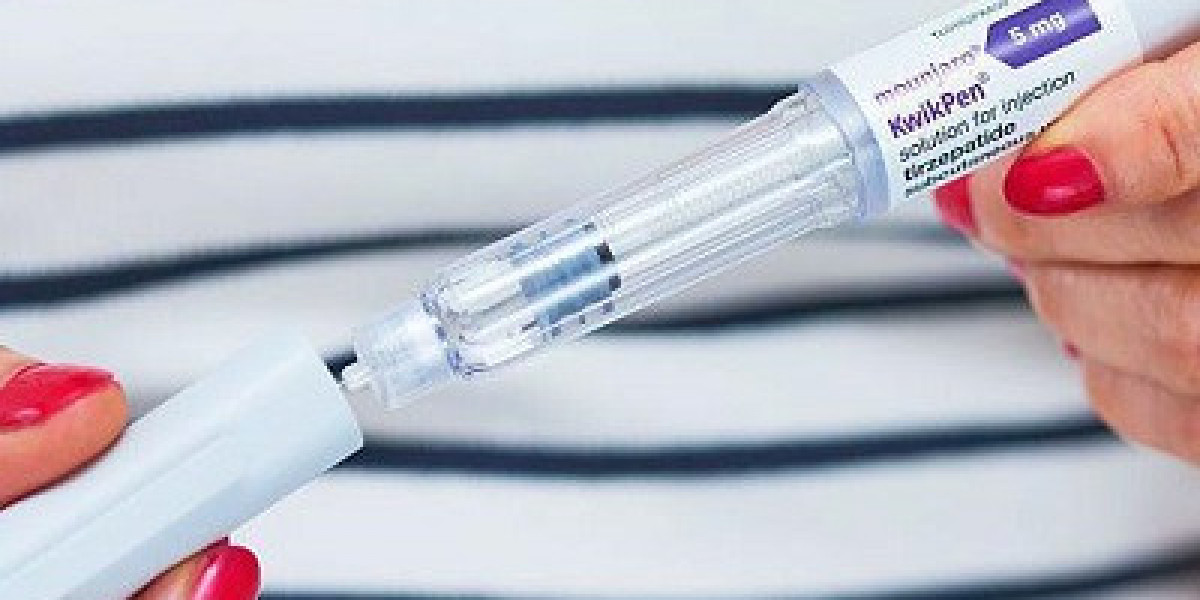

Mounjaro Injection has become a widely discussed treatment because of its effects on blood sugar regulation, appetite control, and weight management. Although it was initially developed to help adults with type 2 diabetes manage their blood glucose levels, it has also attracted attention from people who do not have diabetes but want to lose excess weight.
This has led many people to ask whether Mounjaro Injection can be used without a diabetes diagnosis and whether it is a safe and effective option for weight management.
The answer depends on the person's medical history, weight-related health concerns, treatment goals, and the approved uses of the medication in their country. Mounjaro contains tirzepatide, a prescription medicine that acts on hormones involved in blood sugar regulation and appetite. It may help eligible individuals lose weight, but it is not suitable for everyone and should not be used without appropriate medical supervision.
Understanding how Mounjaro Injection works, who may qualify for treatment, its possible benefits, and its associated risks can help individuals make informed decisions about their health.
1. What Is Mounjaro Injection and How Does It Work?
Mounjaro Injection is a prescription medication containing tirzepatide. It is primarily approved in the United States to improve blood sugar control in adults with type 2 diabetes, alongside diet and exercise. Depending on the country and product, tirzepatide may also be available under a different brand name for chronic weight management.
The medication works by activating two hormone receptors known as GIP and GLP-1. These receptors are involved in the body's response to food, insulin release, appetite regulation, and digestion.
Mounjaro Injection can influence the body in several ways:
Blood sugar regulation: It helps the body release insulin when blood glucose levels are elevated.
Appetite control: It acts on pathways involved in hunger and fullness, potentially reducing the desire to eat.
Slower stomach emptying: It can slow the movement of food from the stomach into the intestine, helping some people feel full for longer.
Weight management: By reducing appetite and supporting smaller food portions, it may help eligible individuals maintain the calorie deficit needed for weight loss.
Mounjaro is generally administered as a subcutaneous injection, meaning it is injected under the skin once a week according to the prescribed treatment schedule.
One important point is that its effects on appetite are not limited to people with diabetes. However, this does not mean everyone without diabetes should use it. The decision depends on whether the medication is appropriate for the individual's medical needs and whether the intended use is approved locally.
2. Can Someone Take Mounjaro Injection Without Diabetes?
Yes, some adults without diabetes may be eligible for tirzepatide treatment for weight management. However, the distinction between Mounjaro and other tirzepatide products is important.
In the United States, Mounjaro is approved for type 2 diabetes, while Zepbound, which contains the same active ingredient, is approved for certain weight-management indications. Other countries may have different approvals, product names, and prescribing rules.
Therefore, a person without diabetes should not assume that Mounjaro is automatically approved for weight loss in their location.
Prescription weight-management treatment may be considered for adults who meet specific eligibility criteria, which commonly include:
A body mass index (BMI) of 30 or higher, indicating obesity.
A BMI of 27 or higher alongside at least one weight-related medical condition, such as high blood pressure or abnormal cholesterol levels.
These thresholds are commonly used in adult weight-management guidance, although exact eligibility requirements vary by product and country.
A healthcare professional will generally consider more than BMI alone. Medical history, previous weight-management efforts, current medicines, and existing health conditions may all influence whether treatment is appropriate.
For example, someone with obesity and a weight-related health condition may have a medical reason to consider prescription weight-management treatment. In contrast, someone with a healthy weight who wants to lose a small amount for cosmetic reasons may not be an appropriate candidate.
The key takeaway is that not having diabetes does not automatically prevent someone from receiving tirzepatide for an approved weight-management indication, but eligibility must be assessed individually.
3. How Can Mounjaro Injection Help With Weight Loss?
Mounjaro Injection has attracted interest among people without diabetes because tirzepatide can affect appetite and food intake. These effects may help eligible individuals manage their weight more effectively when combined with healthy lifestyle habits.
One of the main effects of tirzepatide is a reduction in appetite for some people. A person may feel satisfied after eating a smaller meal, experience less persistent hunger, or find it easier to reduce frequent snacking.
The medication can also slow stomach emptying, particularly during the early stages of treatment. This may contribute to feelings of fullness, although the effect varies between individuals and can also cause digestive discomfort.
Clinical research has demonstrated substantial weight loss among adults with overweight or obesity who did not have diabetes. In a major 72-week clinical trial, participants receiving tirzepatide experienced average weight reductions of approximately 15% to 21% of their starting body weight across the studied doses. The placebo group experienced an average reduction of approximately 3%.
These findings illustrate the potential benefits of tirzepatide, but they do not guarantee similar results for every individual. The amount of weight lost can depend on several factors, including the prescribed dose, treatment duration, starting weight, eating habits, physical activity, and individual response.
Some people may experience significant weight loss, while others may lose less weight or discontinue treatment because of side effects.
A balanced approach remains important throughout treatment. Eating nutritious meals, maintaining adequate protein intake, drinking enough fluids, and participating in regular physical activity can support overall health during weight loss.
Resistance exercise may also help preserve muscle mass as body weight decreases. This is particularly important because rapid or substantial weight loss can involve the loss of both fat and lean tissue.
Mounjaro Injection should therefore be viewed as a potential component of a medically supervised weight-management plan rather than a substitute for healthy habits.
4. What Are the Possible Side Effects of Mounjaro Injection?
Mounjaro Injection can cause side effects in people with or without diabetes. Many of the most common reactions involve the digestive system because tirzepatide affects appetite and stomach emptying.
Common side effects include:
Nausea, especially when starting treatment or increasing the dose.
Diarrhea or constipation.
Vomiting.
Abdominal discomfort or bloating.
Indigestion and belching.
Reduced appetite and feeling full sooner than usual.
These symptoms are often mild to moderate and may improve as the body adjusts. However, persistent digestive symptoms can interfere with daily activities and may lead to dehydration if fluids cannot be retained.
More serious complications can also occur, although they are less common. These include inflammation of the pancreas, gallbladder problems, kidney complications related to dehydration, and severe gastrointestinal reactions.
Tirzepatide carries a boxed warning in the United States concerning thyroid C-cell tumors observed in animal studies. It is not known whether this risk applies to humans. Under US prescribing information, tirzepatide should not be used by people with a personal or family history of medullary thyroid carcinoma or by those with multiple endocrine neoplasia syndrome type 2 (MEN2).
People with a history of pancreatitis, gallbladder disease, significant digestive disorders, or kidney problems should discuss the potential risks with a qualified healthcare professional before starting treatment.
Low blood sugar is generally less likely when tirzepatide is used alone in someone without diabetes than when it is combined with insulin or certain other diabetes medicines. Nevertheless, the risk depends on the person's circumstances and other medications.
Severe, persistent abdominal pain, repeated vomiting, signs of dehydration, or symptoms of a serious allergic reaction require prompt medical attention.
Understanding these risks is an important part of deciding whether Mounjaro Injection is appropriate. The potential benefits should always be weighed against the possibility of side effects and the individual's overall health needs.
5. Who Should Avoid Mounjaro Injection or Seek Medical Advice First?
Although tirzepatide may benefit eligible individuals without diabetes, it is not suitable for everyone. A medical assessment is necessary before treatment begins.
People with a personal or family history of medullary thyroid carcinoma or a diagnosis of MEN2 should not use tirzepatide under US prescribing guidance. Anyone who has experienced a serious allergic reaction to tirzepatide or its ingredients should also avoid it.
Additional caution is necessary for people with certain medical conditions, including a history of pancreatitis, gallbladder problems, severe gastrointestinal disease, or kidney problems that could become worse with dehydration.
Pregnancy is another important consideration. Tirzepatide is not recommended for weight loss during pregnancy. Anyone who becomes pregnant while using a weight-management medication should contact a healthcare professional promptly to discuss appropriate next steps.
The medication may also affect oral contraceptive absorption. Under US prescribing information, people using oral hormonal contraceptives are advised to consider switching to a non-oral method or adding a barrier method for four weeks after starting tirzepatide and for four weeks after each dose increase.
Anyone scheduled for surgery or a procedure involving general anesthesia or deep sedation should inform the healthcare team that they use tirzepatide. Because the medication can delay stomach emptying, additional precautions may be necessary to reduce the risk of complications during the procedure.
Another consideration is the possibility of weight regain after stopping treatment. Appetite may increase again, and maintaining previous weight-loss results may become more challenging. A long-term management plan can help address this possibility.
Using the medication without a prescription, increasing the dose independently, or purchasing injections from unverified sellers can create avoidable risks. A qualified prescriber can assess eligibility, review potential interactions, and explain whether another treatment would be more suitable.
6. How to Use Mounjaro Injection Safely for Weight Management
For eligible individuals without diabetes, safe use begins with an appropriate medical assessment. This typically includes reviewing weight-related health concerns, current medicines, allergies, relevant medical conditions, and the person's treatment goals.
When prescribed, Mounjaro is generally injected under the skin of the abdomen, thigh, or upper arm once weekly. Injection sites should be rotated, and the product should be stored and handled according to its official instructions.
Treatment generally begins with a low dose, followed by gradual increases when appropriate. This approach helps the body adjust and may improve tolerability. The prescribed schedule should always be followed rather than changed to achieve faster weight loss.
Several practical measures can support treatment.
Choose balanced meals. Smaller meals may be easier to tolerate, especially when nausea or early fullness occurs. A nutritious eating pattern should include appropriate amounts of protein, vegetables, fruit, whole grains, and healthy fats.
Maintain hydration. Drinking enough fluids is particularly important if nausea, vomiting, or diarrhea develops. Persistent symptoms may require medical review.
Stay physically active. Regular walking, aerobic activity, and strength training can support cardiovascular health and help preserve muscle during weight loss.
Attend follow-up appointments. Regular monitoring allows the prescriber to assess progress, side effects, nutritional intake, and changes in overall health. The need for blood tests or other investigations depends on individual circumstances.
Set realistic expectations. Weight loss generally occurs over time, and progress varies. Increasing the dose without medical guidance does not guarantee better results and may increase the risk of adverse effects.
Plan for long-term weight maintenance. Sustainable eating habits, physical activity, behavioral support, and ongoing medical guidance may help maintain progress if treatment is changed or discontinued.
The purpose of treatment should extend beyond achieving a lower number on the scale. For eligible individuals, successful weight management may also involve improving mobility, supporting metabolic health, and reducing the impact of weight-related medical conditions.
Frequently Asked Questions About Mounjaro Injection
1. Can Mounjaro Injection be taken without diabetes?
Yes, some adults without diabetes may qualify for tirzepatide treatment for weight management. Eligibility depends on the product's approved indications, the person's BMI, related health conditions, and medical history. A healthcare professional can determine whether treatment is appropriate.
2. Does Mounjaro Injection lower blood sugar in people without diabetes?
Tirzepatide influences blood sugar regulation even in people who do not have diabetes. However, significant low blood sugar is generally less likely when it is used alone than when combined with insulin or certain other glucose-lowering medications. Individual risks should be reviewed before treatment.
3. How much weight can someone lose with Mounjaro Injection without diabetes?
Results vary between individuals. In a major 72-week clinical trial involving adults with overweight or obesity without diabetes, average weight reductions ranged from approximately 15% to 21% across the studied tirzepatide doses. These figures are study averages rather than guaranteed results.
4. Is Mounjaro Injection safe for weight loss?
It may be appropriate for eligible individuals when prescribed and monitored correctly. However, possible side effects include nausea, diarrhea, constipation, and abdominal discomfort. More serious complications can occur, so medical assessment is essential before starting treatment.
5. Can someone use Mounjaro Injection if they only want to lose a few kilograms?
People with a healthy weight who want to lose a small amount for cosmetic reasons are generally not the intended population for prescription weight-management medication. Treatment is usually considered for eligible adults with obesity or overweight accompanied by weight-related health concerns.
6. Will the weight return after stopping Mounjaro Injection?
Some people regain weight after discontinuing tirzepatide because appetite may increase and maintaining a calorie deficit can become more difficult. The amount of weight regained varies. A sustainable eating pattern, regular exercise, and a long-term weight-management strategy can help support maintenance.
Final Thoughts
Mounjaro Injection may be an option for certain people who do not have diabetes, particularly adults who meet the criteria for prescription weight-management treatment. Its active ingredient, tirzepatide, affects appetite and blood sugar regulation and has demonstrated meaningful weight-loss benefits in clinical studies involving adults with overweight or obesity.
However, treatment eligibility, safety considerations, and expected outcomes vary according to individual health needs and the medication's approved indications in the relevant country. Potential side effects,
Mounjaro Injection has become a widely discussed treatment because of its effects on blood sugar regulation, appetite control, and weight management. Although it was initially developed to help adults with type 2 diabetes manage their blood glucose levels, it has also attracted attention from people who do not have diabetes but want to lose excess weight.
This has led many people to ask whether Mounjaro Injection can be used without a diabetes diagnosis and whether it is a safe and effective option for weight management.
The answer depends on the person's medical history, weight-related health concerns, treatment goals, and the approved uses of the medication in their country. Mounjaro contains tirzepatide, a prescription medicine that acts on hormones involved in blood sugar regulation and appetite. It may help eligible individuals lose weight, but it is not suitable for everyone and should not be used without appropriate medical supervision.
Understanding how Mounjaro Injection works, who may qualify for treatment, its possible benefits, and its associated risks can help individuals make informed decisions about their health.
1. What Is Mounjaro Injection and How Does It Work?
Mounjaro Injection is a prescription medication containing tirzepatide. It is primarily approved in the United States to improve blood sugar control in adults with type 2 diabetes, alongside diet and exercise. Depending on the country and product, tirzepatide may also be available under a different brand name for chronic weight management.
The medication works by activating two hormone receptors known as GIP and GLP-1. These receptors are involved in the body's response to food, insulin release, appetite regulation, and digestion.
Mounjaro Injection can influence the body in several ways:
Blood sugar regulation: It helps the body release insulin when blood glucose levels are elevated.
Appetite control: It acts on pathways involved in hunger and fullness, potentially reducing the desire to eat.
Slower stomach emptying: It can slow the movement of food from the stomach into the intestine, helping some people feel full for longer.
Weight management: By reducing appetite and supporting smaller food portions, it may help eligible individuals maintain the calorie deficit needed for weight loss.
Mounjaro is generally administered as a subcutaneous injection, meaning it is injected under the skin once a week according to the prescribed treatment schedule.
One important point is that its effects on appetite are not limited to people with diabetes. However, this does not mean everyone without diabetes should use it. The decision depends on whether the medication is appropriate for the individual's medical needs and whether the intended use is approved locally.
2. Can Someone Take Mounjaro Injection Without Diabetes?
Yes, some adults without diabetes may be eligible for tirzepatide treatment for weight management. However, the distinction between Mounjaro and other tirzepatide products is important.
In the United States, Mounjaro is approved for type 2 diabetes, while Zepbound, which contains the same active ingredient, is approved for certain weight-management indications. Other countries may have different approvals, product names, and prescribing rules.
Therefore, a person without diabetes should not assume that Mounjaro is automatically approved for weight loss in their location.
Prescription weight-management treatment may be considered for adults who meet specific eligibility criteria, which commonly include:
A body mass index (BMI) of 30 or higher, indicating obesity.
A BMI of 27 or higher alongside at least one weight-related medical condition, such as high blood pressure or abnormal cholesterol levels.
These thresholds are commonly used in adult weight-management guidance, although exact eligibility requirements vary by product and country.
A healthcare professional will generally consider more than BMI alone. Medical history, previous weight-management efforts, current medicines, and existing health conditions may all influence whether treatment is appropriate.
For example, someone with obesity and a weight-related health condition may have a medical reason to consider prescription weight-management treatment. In contrast, someone with a healthy weight who wants to lose a small amount for cosmetic reasons may not be an appropriate candidate.
The key takeaway is that not having diabetes does not automatically prevent someone from receiving tirzepatide for an approved weight-management indication, but eligibility must be assessed individually.
3. How Can Mounjaro Injection Help With Weight Loss?
Mounjaro Injection has attracted interest among people without diabetes because tirzepatide can affect appetite and food intake. These effects may help eligible individuals manage their weight more effectively when combined with healthy lifestyle habits.
One of the main effects of tirzepatide is a reduction in appetite for some people. A person may feel satisfied after eating a smaller meal, experience less persistent hunger, or find it easier to reduce frequent snacking.
The medication can also slow stomach emptying, particularly during the early stages of treatment. This may contribute to feelings of fullness, although the effect varies between individuals and can also cause digestive discomfort.
Clinical research has demonstrated substantial weight loss among adults with overweight or obesity who did not have diabetes. In a major 72-week clinical trial, participants receiving tirzepatide experienced average weight reductions of approximately 15% to 21% of their starting body weight across the studied doses. The placebo group experienced an average reduction of approximately 3%.
These findings illustrate the potential benefits of tirzepatide, but they do not guarantee similar results for every individual. The amount of weight lost can depend on several factors, including the prescribed dose, treatment duration, starting weight, eating habits, physical activity, and individual response.
Some people may experience significant weight loss, while others may lose less weight or discontinue treatment because of side effects.
A balanced approach remains important throughout treatment. Eating nutritious meals, maintaining adequate protein intake, drinking enough fluids, and participating in regular physical activity can support overall health during weight loss.
Resistance exercise may also help preserve muscle mass as body weight decreases. This is particularly important because rapid or substantial weight loss can involve the loss of both fat and lean tissue.
Mounjaro Injection should therefore be viewed as a potential component of a medically supervised weight-management plan rather than a substitute for healthy habits.
4. What Are the Possible Side Effects of Mounjaro Injection?
Mounjaro Injection can cause side effects in people with or without diabetes. Many of the most common reactions involve the digestive system because tirzepatide affects appetite and stomach emptying.
Common side effects include:
Nausea, especially when starting treatment or increasing the dose.
Diarrhea or constipation.
Vomiting.
Abdominal discomfort or bloating.
Indigestion and belching.
Reduced appetite and feeling full sooner than usual.
These symptoms are often mild to moderate and may improve as the body adjusts. However, persistent digestive symptoms can interfere with daily activities and may lead to dehydration if fluids cannot be retained.
More serious complications can also occur, although they are less common. These include inflammation of the pancreas, gallbladder problems, kidney complications related to dehydration, and severe gastrointestinal reactions.
Tirzepatide carries a boxed warning in the United States concerning thyroid C-cell tumors observed in animal studies. It is not known whether this risk applies to humans. Under US prescribing information, tirzepatide should not be used by people with a personal or family history of medullary thyroid carcinoma or by those with multiple endocrine neoplasia syndrome type 2 (MEN2).
People with a history of pancreatitis, gallbladder disease, significant digestive disorders, or kidney problems should discuss the potential risks with a qualified healthcare professional before starting treatment.
Low blood sugar is generally less likely when tirzepatide is used alone in someone without diabetes than when it is combined with insulin or certain other diabetes medicines. Nevertheless, the risk depends on the person's circumstances and other medications.
Severe, persistent abdominal pain, repeated vomiting, signs of dehydration, or symptoms of a serious allergic reaction require prompt medical attention.
Understanding these risks is an important part of deciding whether Mounjaro Injection is appropriate. The potential benefits should always be weighed against the possibility of side effects and the individual's overall health needs.
5. Who Should Avoid Mounjaro Injection or Seek Medical Advice First?
Although tirzepatide may benefit eligible individuals without diabetes, it is not suitable for everyone. A medical assessment is necessary before treatment begins.
People with a personal or family history of medullary thyroid carcinoma or a diagnosis of MEN2 should not use tirzepatide under US prescribing guidance. Anyone who has experienced a serious allergic reaction to tirzepatide or its ingredients should also avoid it.
Additional caution is necessary for people with certain medical conditions, including a history of pancreatitis, gallbladder problems, severe gastrointestinal disease, or kidney problems that could become worse with dehydration.
Pregnancy is another important consideration. Tirzepatide is not recommended for weight loss during pregnancy. Anyone who becomes pregnant while using a weight-management medication should contact a healthcare professional promptly to discuss appropriate next steps.
The medication may also affect oral contraceptive absorption. Under US prescribing information, people using oral hormonal contraceptives are advised to consider switching to a non-oral method or adding a barrier method for four weeks after starting tirzepatide and for four weeks after each dose increase.
Anyone scheduled for surgery or a procedure involving general anesthesia or deep sedation should inform the healthcare team that they use tirzepatide. Because the medication can delay stomach emptying, additional precautions may be necessary to reduce the risk of complications during the procedure.
Another consideration is the possibility of weight regain after stopping treatment. Appetite may increase again, and maintaining previous weight-loss results may become more challenging. A long-term management plan can help address this possibility.
Using the medication without a prescription, increasing the dose independently, or purchasing injections from unverified sellers can create avoidable risks. A qualified prescriber can assess eligibility, review potential interactions, and explain whether another treatment would be more suitable.
6. How to Use Mounjaro Injection Safely for Weight Management
For eligible individuals without diabetes, safe use begins with an appropriate medical assessment. This typically includes reviewing weight-related health concerns, current medicines, allergies, relevant medical conditions, and the person's treatment goals.
When prescribed, Mounjaro is generally injected under the skin of the abdomen, thigh, or upper arm once weekly. Injection sites should be rotated, and the product should be stored and handled according to its official instructions.
Treatment generally begins with a low dose, followed by gradual increases when appropriate. This approach helps the body adjust and may improve tolerability. The prescribed schedule should always be followed rather than changed to achieve faster weight loss.
Several practical measures can support treatment.
Choose balanced meals. Smaller meals may be easier to tolerate, especially when nausea or early fullness occurs. A nutritious eating pattern should include appropriate amounts of protein, vegetables, fruit, whole grains, and healthy fats.
Maintain hydration. Drinking enough fluids is particularly important if nausea, vomiting, or diarrhea develops. Persistent symptoms may require medical review.
Stay physically active. Regular walking, aerobic activity, and strength training can support cardiovascular health and help preserve muscle during weight loss.
Attend follow-up appointments. Regular monitoring allows the prescriber to assess progress, side effects, nutritional intake, and changes in overall health. The need for blood tests or other investigations depends on individual circumstances.
Set realistic expectations. Weight loss generally occurs over time, and progress varies. Increasing the dose without medical guidance does not guarantee better results and may increase the risk of adverse effects.
Plan for long-term weight maintenance. Sustainable eating habits, physical activity, behavioral support, and ongoing medical guidance may help maintain progress if treatment is changed or discontinued.
The purpose of treatment should extend beyond achieving a lower number on the scale. For eligible individuals, successful weight management may also involve improving mobility, supporting metabolic health, and reducing the impact of weight-related medical conditions.
Frequently Asked Questions About Mounjaro Injection
1. Can Mounjaro Injection be taken without diabetes?
Yes, some adults without diabetes may qualify for tirzepatide treatment for weight management. Eligibility depends on the product's approved indications, the person's BMI, related health conditions, and medical history. A healthcare professional can determine whether treatment is appropriate.
2. Does Mounjaro Injection lower blood sugar in people without diabetes?
Tirzepatide influences blood sugar regulation even in people who do not have diabetes. However, significant low blood sugar is generally less likely when it is used alone than when combined with insulin or certain other glucose-lowering medications. Individual risks should be reviewed before treatment.
3. How much weight can someone lose with Mounjaro Injection without diabetes?
Results vary between individuals. In a major 72-week clinical trial involving adults with overweight or obesity without diabetes, average weight reductions ranged from approximately 15% to 21% across the studied tirzepatide doses. These figures are study averages rather than guaranteed results.
4. Is Mounjaro Injection safe for weight loss?
It may be appropriate for eligible individuals when prescribed and monitored correctly. However, possible side effects include nausea, diarrhea, constipation, and abdominal discomfort. More serious complications can occur, so medical assessment is essential before starting treatment.
5. Can someone use Mounjaro Injection if they only want to lose a few kilograms?
People with a healthy weight who want to lose a small amount for cosmetic reasons are generally not the intended population for prescription weight-management medication. Treatment is usually considered for eligible adults with obesity or overweight accompanied by weight-related health concerns.
6. Will the weight return after stopping Mounjaro Injection?
Some people regain weight after discontinuing tirzepatide because appetite may increase and maintaining a calorie deficit can become more difficult. The amount of weight regained varies. A sustainable eating pattern, regular exercise, and a long-term weight-management strategy can help support maintenance.
Final Thoughts
Mounjaro Injection may be an option for certain people who do not have diabetes, particularly adults who meet the criteria for prescription weight-management treatment. Its active ingredient, tirzepatide, affects appetite and blood sugar regulation and has demonstrated meaningful weight-loss benefits in clinical studies involving adults with overweight or obesity.
However, treatment eligibility, safety considerations, and expected outcomes vary according to individual health needs and the medication's approved indications in the relevant country. Potential side effects, existing medical conditions, and the possibility of weight regain after discontinuation should all be considered before starting treatment.
A qualified healthcare professional can help determine whether tirzepatide is suitable and explain the safest approach to treatment. With realistic expectations, appropriate monitoring, and sustainable lifestyle habits, eligible individuals can make informed decisions about their long-term weight-management goals.
Read More About Mounjaro Injection: https://gracebook.app/blogs/229916/Mounjaro-Injection-Results-How-Long-Do-They-Last
existing medical conditions, and the possibility of weight regain after discontinuation should all be considered before starting treatment.
A qualified healthcare professional can help determine whether tirzepatide is suitable and explain the safest approach to treatment. With realistic expectations, appropriate monitoring, and sustainable lifestyle habits, eligible individuals can make informed decisions about their long-term weight-management goals.
Read More About Mounjaro Injection: https://gracebook.app/blogs/229916/Mounjaro-Injection-Results-How-Long-Do-They-Last