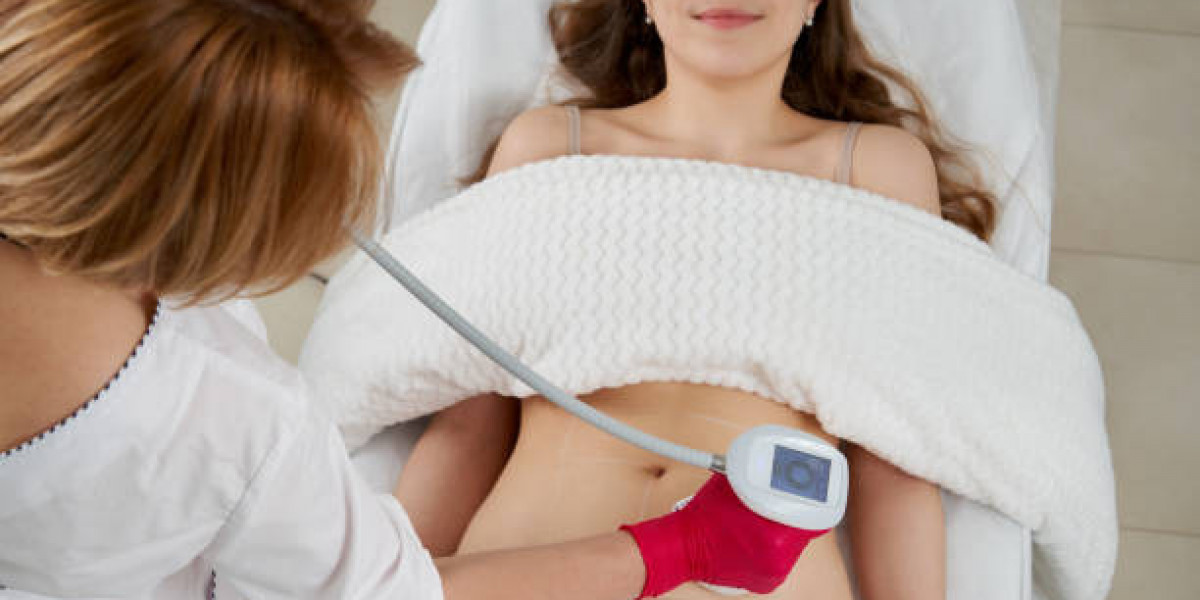

Choosing an aesthetic treatment requires understanding both its benefits and its safety for your individual skin. People with different skin tones often wonder whether radiofrequency-based procedures are suitable for them, particularly if they have darker complexions or a history of pigmentation concerns. Venus Legacy in Riyadh (فينوس ليجاسي في الرياض) is a non-invasive treatment that combines radiofrequency energy with pulsed electromagnetic fields to support skin tightening and improve the appearance of cellulite. Its radiofrequency technology is promoted as suitable for a broad range of skin tones, but individual suitability depends on more than skin color alone. A professional assessment is essential before starting treatment.
Is Venus Legacy Suitable for Different Skin Tones?
Venus Legacy uses controlled radiofrequency energy rather than the light-based energy used in many laser treatments. Radiofrequency skin treatments are generally less dependent on skin pigment, which can make them an option for people with a range of complexions, including darker skin tones. The manufacturer describes its radiofrequency technology as suitable for all skin tones. However, treatment indications can differ by applicator and intended use, so patients should confirm that the specific treatment is appropriate for them. Skin tone alone does not determine whether the procedure is safe or whether it will produce the desired results.
How Does Venus Legacy Work?
Venus Legacy combines multi-polar radiofrequency energy with pulsed electromagnetic fields to deliver controlled heat to targeted tissue. The treatment is designed to support collagen remodeling and improve the appearance of skin firmness and cellulite in selected areas. During a session, a trained practitioner moves an applicator over the treatment area while monitoring warmth and skin response. Many patients describe the sensation as a warm massage. The procedure is non-surgical and typically involves little downtime, although temporary redness, warmth, or sensitivity may occur. Proper technique and suitable treatment settings remain important for people of every skin tone.
Does Darker Skin Require Special Considerations?
People with darker complexions may be concerned about post-inflammatory hyperpigmentation, which is darkening that can develop after skin irritation or injury. Radiofrequency treatments generally carry a different pigmentation risk profile from some laser and light-based procedures, but no treatment is completely risk-free. Excessive heat or skin injury can potentially cause changes in pigmentation. Tell your practitioner if you have previously developed dark marks after irritation, have sensitive skin, or have experienced complications from cosmetic procedures. A qualified provider can assess these factors and determine whether additional precautions or an alternative treatment would be more appropriate.
Who May Not Be a Suitable Candidate?
Although Venus Legacy may suit many people, certain medical conditions and circumstances can make treatment inappropriate. Suitability should be checked against the specific device instructions and your medical history.
Active Skin Problems
Treatment may need to be postponed if the intended area has an active infection, open wound, significant irritation, or other skin condition that could be aggravated by heat. Tell your provider about any recent skin changes before your appointment.
Implanted Devices or Metal Implants
Certain implanted electronic devices, such as pacemakers or internal defibrillators, and some metal implants in the treatment area may be contraindications. Discuss all implants with your practitioner before treatment.
Pregnancy and Other Medical Conditions
Pregnancy and certain medical conditions may mean that treatment should be avoided or delayed. Your provider should review relevant health concerns, medications, and the manufacturer’s contraindications rather than relying on a general skin-type assessment.
What Side Effects Should You Know About?
Possible temporary reactions include redness, warmth, mild swelling, and sensitivity in the treated area. Less common complications can include burns, blistering, or changes in skin pigmentation. The likelihood of side effects depends on individual circumstances, treatment settings, and the practitioner’s technique. Tell your provider if you experience excessive heat or pain during the session. After treatment, seek medical advice if you notice severe pain, blistering, worsening swelling, or persistent skin discoloration. Understanding these potential reactions can help you make an informed decision and recognize when professional attention may be needed.
How to Prepare for a Safe Treatment
Before your appointment, provide a complete medical history and mention any allergies, medications, implants, previous cosmetic procedures, and skin sensitivities. Arrive with clean skin and follow the clinic’s instructions about skincare products and sun exposure. Ask your practitioner which applicator will be used, what precautions apply to your skin, and how your response will be monitored. Do not undergo treatment over irritated or damaged skin without professional assessment. Following these steps can help reduce avoidable risks, although they cannot guarantee that side effects will not occur.
What Results Can Different Skin Types Expect?
Skin tone does not necessarily predict how much improvement someone will experience from Venus Legacy. Results depend on the concern being treated, the degree of skin laxity, individual tissue response, and the recommended treatment plan. Some patients may notice gradual improvements in firmness or the appearance of cellulite, while others may see more modest changes. The treatment cannot guarantee complete cellulite removal, significant weight loss, or correction of substantial excess skin. A practitioner should explain realistic outcomes for your particular goals and discuss alternatives if Venus Legacy is unlikely to provide the improvement you want.
Book a Consultation at Royal Clinic Saudia
If you are considering Venus Legacy in Riyadh, Royal Clinic Saudia (عيادات رويال كلينك) can be a starting point for discussing your skin concerns and treatment suitability. During your consultation, ask the practitioner to review your medical history, assess the intended area, and explain potential risks based on your skin characteristics. You can also ask about the device applicator, safety precautions, expected results, and alternative treatments. A personalized assessment is particularly important if you have sensitive skin, a history of pigmentation changes, or an underlying medical condition.
FAQs:
Can people with dark skin have Venus Legacy treatment?
The manufacturer describes its radiofrequency technology as suitable for all skin tones, including darker complexions. Individual suitability still depends on medical history, the treatment area, and the device’s specific instructions.
Can Venus Legacy cause pigmentation changes?
Pigmentation changes are possible, although they are not expected in every patient. Excessive heat or skin injury can contribute to changes in skin color, so report previous pigmentation concerns to your practitioner.
Is Venus Legacy safe for sensitive skin?
Sensitive skin does not automatically rule out treatment, but the cause and severity of the sensitivity should be assessed. Your practitioner can determine whether treatment is appropriate or should be postponed.
What should I discuss before my first session?
Share your medical history, medications, allergies, skin conditions, and information about implants or previous cosmetic procedures. Ask about contraindications, possible side effects, and realistic treatment outcomes.