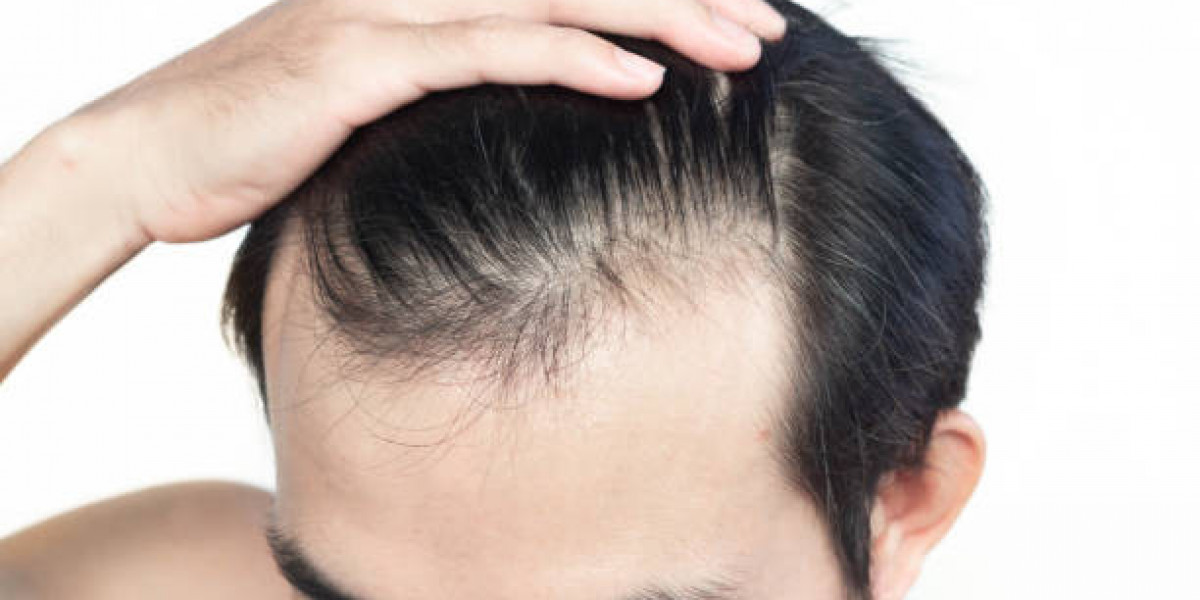

Thinning hair can affect the overall appearance of your hairstyle and make the scalp more visible, especially around the crown, temples, or parting. Many people look for treatments that may help improve hair thickness and support natural growth without undergoing surgery. PRP Hair Treatment in Riyadh is one option that uses platelet-rich plasma prepared from the patient's own blood to support hair follicles. Understanding how the procedure works, who may benefit, and what results are realistic can help you make an informed decision about your hair restoration options.
Hair density refers to the amount of hair growing within a particular area of the scalp. It can decrease because of hereditary hair loss, hormonal changes, nutritional deficiencies, stress, or certain medical conditions. PRP Hair Treatment in Riyadh may help improve hair density in some individuals, particularly those experiencing early pattern hair loss. However, results vary from person to person, and treatment cannot guarantee thicker hair. Identifying the underlying cause of thinning is an important first step before deciding whether PRP is suitable.
What Is PRP Hair Treatment?
Platelet-rich plasma, commonly known as PRP, is a preparation made from a small sample of the patient's blood. The blood is processed to concentrate platelets in the plasma. Platelets contain growth factors and signaling substances involved in the body's natural repair processes.
During the procedure, a qualified practitioner injects the prepared plasma into selected areas of the scalp. PRP is used in some hair restoration plans because it may support follicle activity and improve hair density in certain patients. It is a nonsurgical procedure, but it still involves injections and requires appropriate medical assessment and preparation.
How Can PRP Improve Hair Density?
Hair follicles naturally go through growth, transition, and resting phases. Certain forms of hair loss can shorten the growth phase or cause individual hairs to become progressively finer. PRP is intended to support the follicular environment and may help some follicles produce thicker-looking hair.
Supporting Hair Follicle Activity
Growth factors found in platelets participate in cellular signaling and tissue repair. Researchers are studying how these substances may influence hair follicles and their surrounding tissues. Some clinical studies have reported improvements in hair density among people receiving PRP for pattern hair loss, although study methods and outcomes differ.
Helping Hair Appear Fuller
When treatment is effective, some people may notice improved thickness or reduced visibility of the scalp. The degree of change depends on the original condition of the follicles, the cause of hair loss, and individual response. PRP cannot reliably restore hair in areas where follicles have been permanently destroyed.
Who May Benefit From PRP Hair Treatment?
PRP may be considered for adults experiencing certain forms of early or moderate pattern hair loss, particularly when follicles remain active. People who notice gradual thinning may benefit from an assessment to determine whether PRP could be part of a broader treatment plan.
However, not every type of hair loss responds in the same way. Sudden shedding, patchy hair loss, scalp inflammation, or thinning caused by an untreated medical condition may require a different approach. A practitioner may recommend a medical examination or blood tests to investigate possible causes, including iron deficiency or thyroid problems.
What Happens During a PRP Session?
A typical appointment begins with collecting a small blood sample. The sample is processed using specialized equipment to separate and concentrate the platelet-rich plasma. The practitioner then injects the prepared plasma into the selected scalp areas.
The procedure may cause temporary discomfort, tenderness, redness, or swelling. The exact process and appointment length depend on the treatment area and the provider's protocol. Before treatment, ask about preparation, possible side effects, aftercare, and the qualifications of the person performing the injections.
How Many Sessions Are Needed to Improve Hair Density?
The number of sessions varies according to the patient's hair-loss pattern, treatment plan, and response. Some providers recommend an initial series of sessions followed by reassessment and, when appropriate, maintenance treatments. There is no single schedule that works for everyone.
Hair growth is gradual, so changes in density may take several months to become noticeable. Your practitioner may use scalp examinations and photographs to monitor progress over time. If there is little improvement, the treatment plan may need to be reviewed rather than continuing injections without reassessment.
What Factors Affect PRP Results?
Several factors may influence the outcome of treatment:
Cause of Hair Loss
PRP may be more appropriate for some types of pattern hair loss than for temporary shedding or scarring conditions. Accurate diagnosis helps guide treatment decisions.
Condition of Hair Follicles
Follicles that remain active may have a better chance of responding than areas where follicles have been permanently lost.
General Health and Treatment Plan
Medical conditions, nutritional deficiencies, medications, and the consistency of follow-up care may affect hair health. Addressing underlying issues is important alongside any cosmetic procedure.
How Can You Maintain Healthy Hair Density?
Maintaining hair health involves more than one treatment. Eat a balanced diet with adequate protein and essential nutrients, avoid restrictive diets, and handle your hair gently to reduce breakage. If you suspect a deficiency, seek medical advice before starting supplements.
A dermatologist can also discuss other evidence-based hair-loss treatments where appropriate. Combining treatments should be guided by a qualified professional to avoid unnecessary procedures and to ensure that each option suits your diagnosis.
Book a Consultation at Royal Clinic Saudia
If you have noticed reduced hair density or increasing scalp visibility, a professional assessment can help identify the cause and determine suitable treatment options. Royal Clinic Saudia can discuss your hair concerns, explain the potential benefits and limitations of PRP, and help you understand what results may be realistic for your condition. Book a consultation to explore a personalized approach to hair restoration.
FAQs:
Can PRP hair treatment increase hair density?
PRP may improve hair density in some people, particularly those with pattern hair loss. However, results vary, and improvement is not guaranteed.
How long does it take to see improved hair density after PRP?
Visible changes may take several months because hair grows gradually. The timeline depends on the cause of hair loss and the individual's response to treatment.
Is PRP suitable for everyone experiencing thinning hair?
No. Suitability depends on the cause of hair loss, scalp health, medical history, and follicle condition. A professional assessment is recommended before treatment.
Can PRP restore hair in completely bald areas?
PRP cannot reliably restore hair where follicles have been permanently destroyed. A qualified practitioner can assess the affected areas and discuss realistic alternatives.